Europe’s Rarest and Most Expensive Dog Breeds: A Guide to Luxury Canines
Explore Europe’s rarest and priciest dog breeds, from Tibetan Mastiffs to Samoyeds, with practical insights on costs, care and choosing wisely.
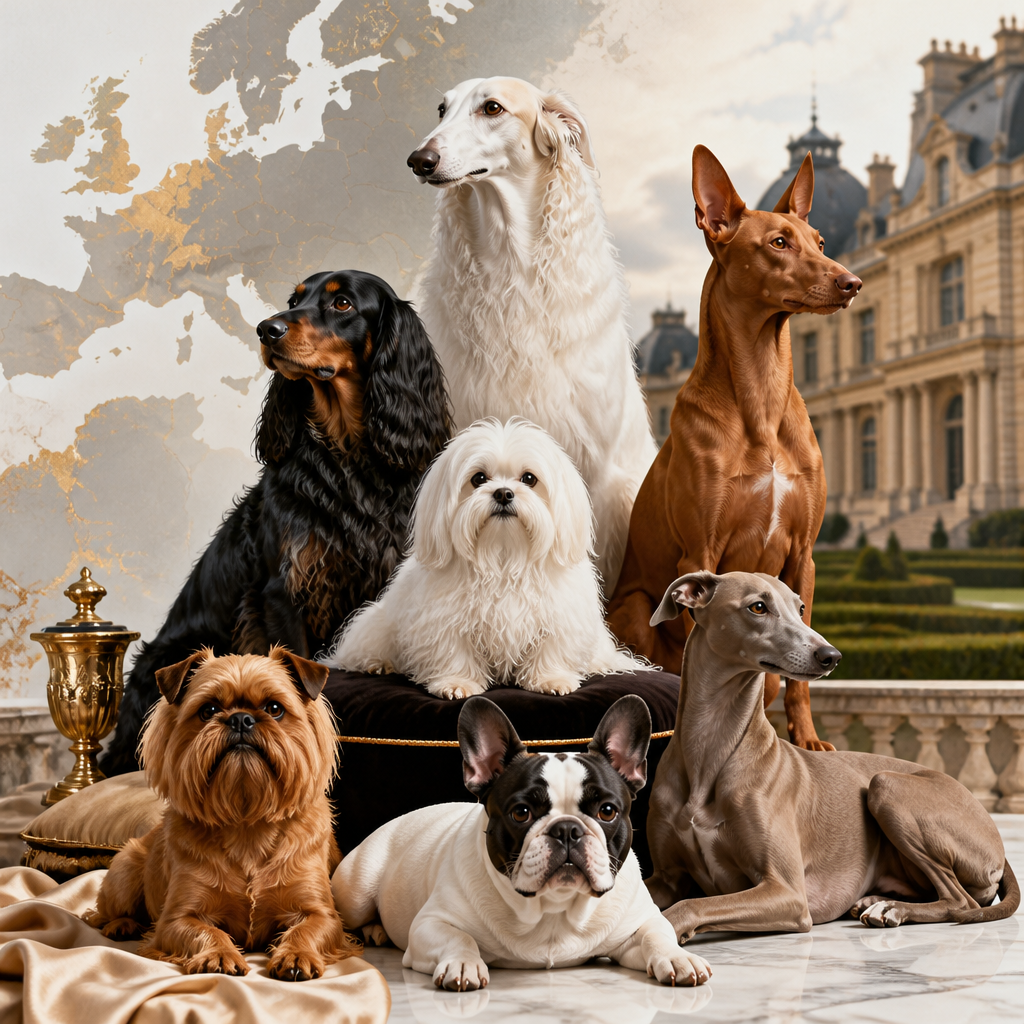
Why Some European Dogs Become Rare and Expensive
Some dogs turn heads because of a snow-white coat, a wolf-like outline or a mane that makes them look almost mythical. Others capture attention through the stories carried in their bloodlines: ancient guardians, royal companions, Arctic sled dogs and specialist working breeds shaped over centuries. For many enthusiasts, rare dogs offer a connection to living history as much as a distinctive appearance.
Still, a high price does not simply pay for exclusivity. European and European-connected breeds can be costly because there are relatively few responsible breeders and carefully planned litters. A small breeding population requires thoughtful pairings to protect genetic diversity, while reputable breeders invest in breed-relevant health screening, veterinary care, early socialisation and suitable puppy rearing.
Location matters, too. A prospective owner may need to join a waitlist, travel to meet a breeder or arrange safe, legal transport from another country. Import paperwork, vaccinations, microchipping and travel crates can all add to the initial cost. Some breeds also need specialist training, professional grooming, secure fencing or experienced handling, expenses that continue long after the puppy comes home.
This is why the most expensive dogs are not necessarily the best choice for every household. A rare, impressive breed may be independent, highly energetic, sensitive or wary of strangers. It might thrive with a skilled owner and plenty of space, yet struggle in a busy flat or a first-time home.
When exploring luxury breeds, temperament and lifestyle fit should always come before a striking look or an eye-catching price. The right breeder will be open about health results, ask questions about your home and experience, and never pressure you into a fast payment. Ethical sourcing and realistic preparation are far more valuable than prestige.
Tibetan Mastiff: The Legendary High-Value Guardian
Tibetan Mastiff: The Legendary High-Value Guardian
Few luxury breeds make a first impression quite like the Tibetan Mastiff. This immense, powerfully built dog is known for its thick double coat, broad head and dramatic mane-like ruff, which can give it a distinctly lion-like silhouette. Its ancestors guarded homes, livestock and monasteries in the Himalayan region, where independence, watchfulness and resilience were essential traits.
The breed is often mentioned among the most expensive dogs because of widely reported record sales, particularly in China. Puppies with rare-looking red coats, imposing size or highly prized bloodlines have attracted extraordinary headline prices. Those stories should be kept in perspective, however. A well-bred Tibetan Mastiff from a responsible breeder will still be costly, but ordinary puppies sell for far less than the famous record-breaking examples. Health screening, careful breeding practices, transport and the expense of raising such large dogs all affect the price.
A Tibetan Mastiff is not simply a giant fluffy companion. It is a serious guardian breed, often reserved with strangers and strongly protective of its home. Many are intelligent but independent thinkers, so they may not respond to training with the eager compliance seen in some other breeds. Early, ongoing socialisation and calm, consistent handling are vital.
They also need substantial, securely fenced space rather than a small flat or an unfenced garden. Their dense coat sheds heavily, especially during seasonal changes, and requires regular brushing to prevent mats and manage loose fur. Barking can be another challenge, particularly at night, when guardian instincts may be strongest.
For experienced owners with room, time and a realistic understanding of the breed, the Tibetan Mastiff can be a loyal and impressive companion. For most households, though, its size, strength and independence make it a demanding choice rather than an easy status symbol.
Samoyed: The Smiling Arctic Beauty
Samoyed: The Smiling Arctic Beauty
With its brilliant white coat, dark eyes and upturned “Sammy smile,” the Samoyed is one of the most instantly recognizable rare dogs in the Spitz family. Developed by the Samoyedic peoples of northern Russia and Siberia, these dogs worked closely with their communities, herding reindeer, pulling sleds and providing warmth during freezing nights. That close history with people still shows in their notably sociable nature.
A well-bred Samoyed puppy can be expensive, although prices vary by country, breeder reputation and pedigree. High demand plays a part, but responsible breeding is the more important factor. Reputable breeders screen breeding dogs for inherited concerns, including hip and eye conditions, and may perform DNA testing for breed-relevant diseases. Raising healthy, well-socialized puppies also takes time, expertise and money. These costs help explain why Samoyeds often appear among sought-after luxury breeds, even if they are not necessarily among the most expensive dogs in every market.
Their spectacular double coat is both their signature feature and a serious commitment. Samoyeds shed year-round and “blow” their undercoat heavily once or twice a year. Regular brushing is essential to prevent tangles, reduce loose hair around the home and keep the skin healthy. Professional grooming can add substantially to lifetime ownership costs.
In personality, the Samoyed is usually cheerful, affectionate and eager to be included in family life. Many dislike being left alone for long periods and may become noisy, destructive or anxious without enough companionship. They also need daily walks, play and mental stimulation, despite their fluffy, cuddly appearance.
Cold weather suits this Arctic breed best. In warm climates, owners must plan exercise for cooler hours, provide reliable shade and fresh water, and watch carefully for overheating. Their coat should never be shaved as a shortcut, since it helps protect the dog from both cold and heat.
Lowchen: The Little Lion Dog With a Big Price Tag
Lowchen: The Little Lion Dog With a Big Price Tag
The Lowchen, whose name means “Little Lion Dog” in German, is a small European companion breed with a surprisingly grand appearance. Its signature look comes from the traditional lion clip: the rear half of the body is closely trimmed, while the mane, front legs and tail tip are left full and flowing. Paintings and written references suggest that similar little dogs were cherished by European families for centuries, particularly in France, Germany and the Low Countries.
For all its historic charm, the Lowchen has spent periods close to disappearing. By the mid-20th century, registered numbers had fallen dramatically, and the breed was often described as one of the world’s rare dogs. Dedicated enthusiasts helped rebuild its population, but Lowchens remain uncommon in many countries. A small breeding pool, careful pedigree planning and limited numbers of health-tested puppies can all make them among the more costly luxury breeds.
The purchase price should reflect responsible work rather than rarity alone. Reputable breeders invest in genetic screening, veterinary care, early socialisation and thoughtful matches between puppies and homes. Depending on location and lineage, a Lowchen may cost several thousand pounds, euros or dollars, with waitlists common.
In daily life, this is usually a bright, affectionate and people-focused dog. Lowchens often enjoy training, adapt well to smaller homes when given regular walks and play, and tend to form close bonds with their families. They are not, however, a low-maintenance option. Their soft, continuously growing coat needs frequent brushing to prevent mats, plus professional grooming every few weeks if the classic lion trim is desired. For owners happy to keep up with that care, this little dog offers plenty of personality behind its elegant, distinctive style.
Czechoslovakian Wolfdog: A Rare Working Dog With Wild Appeal
Czechoslovakian Wolfdog: A Rare Working Dog With Wild Appeal
The Czechoslovakian Wolfdog is one of Europe’s most visually dramatic rare dogs. Developed in former Czechoslovakia during the 1950s, it originated from a carefully managed crossing of German Shepherds and Carpathian wolves. The aim was to combine the wolf’s stamina, sharp senses and resilience with the trainability of a working shepherd. Today, it is a recognized dog breed, but its wolf-like outline, amber eyes and powerful, athletic movement still make it look remarkably wild.
That appearance, together with limited availability outside its home region, has made the breed one of the more sought-after luxury breeds in some markets. Puppies from health-tested, well-established lines can command high prices, particularly where responsible breeders are scarce and waiting lists are long. Still, the purchase fee is only a small part of the commitment.
Czechoslovakian Wolfdogs are exceptionally intelligent, alert and energetic. They need far more than a few short walks each day. Long hikes, structured training, scent work and other challenging activities help keep them physically and mentally satisfied. Without enough stimulation, this clever, determined dog can become destructive, anxious or difficult to manage.
Training also requires patience and experience. Many are independent thinkers rather than eager-to-please dogs, and early, ongoing socialization is essential. A secure garden is important, since they can be talented climbers, diggers and escape artists.
Prospective owners should also check local rules before making plans. Wolfdog laws, insurance requirements and housing restrictions vary widely, even when the Czechoslovakian Wolfdog is legally recognized as a domestic breed. For knowledgeable, active handlers, it can be an extraordinary companion. For most first-time owners, however, its demands outweigh its striking appeal.
Azawakh and Other Rare European-Connected Sighthounds
Azawakh and Other Rare European-Connected Sighthounds
The Azawakh is another breed that turns heads, although its story begins in the Sahel region of West Africa rather than Europe. Tall, finely built and remarkably elegant, this sighthound was traditionally valued by the nomadic peoples of Mali, Niger and Burkina Faso as a hunter, guardian and companion. European kennel recognition helped introduce the breed to a wider audience, but Azawakhs remain uncommon in many countries, with small breeding populations and limited litters.
That rarity can make a well-bred Azawakh expensive, particularly when transport, health screening and long breeder waitlists are involved. Still, price varies greatly by location and breeder. These are not simply decorative luxury breeds. Azawakhs are fast, athletic, alert and often reserved with strangers. They form close bonds with their own people, but their sensitivity means they respond best to calm, patient handling and careful socialization.
Several other unusual breeds may appeal to people drawn to rare dogs. The Sloughi, a graceful North African sighthound with close similarities to the Azawakh, is scarce in much of Europe and North America. The Hungarian Mudi is a lively, clever herding dog whose availability can be limited outside its homeland. Finland’s Karelian Bear Dog is a bold hunting breed, while the Portuguese Podengo Pequeno is a compact, energetic hound with an ancient history.
Costs for these breeds range from relatively moderate to high, depending on local demand, breeder reputation and the difficulty of finding a puppy. Their needs matter far more than their scarcity. Many sighthounds have a powerful prey drive and need secure fencing, while working breeds often require training, purpose and substantial daily activity. For knowledgeable homes, they can be exceptional companions. For unprepared owners, their independence, energy and sensitivity can be challenging.
What It Really Costs to Own a Luxury Dog Breed
What It Really Costs to Own a Luxury Dog Breed
The puppy price is only the opening cost of owning one of these luxury breeds. Whether you choose a giant guardian, a thick-coated Spitz or an athletic rare sighthound, everyday care can add up quickly over a dog’s lifetime.
Quality food is a major ongoing expense, particularly for large, active dogs. Insurance, vaccinations, parasite prevention, dental care and routine checkups also deserve a place in the budget. Some breeds need professional grooming every few weeks, while others need regular training classes, enrichment equipment or secure fencing to keep them safe and fulfilled. Travel can cost more too, as a large dog may need a suitable vehicle, pet-friendly accommodation or specialist boarding.
Rare dogs can bring additional practical costs. A local vet may be unfamiliar with an uncommon breed’s health risks, so owners may need to consult a specialist or travel farther for care. Waiting lists can be long, and transport from a respected breeder in another region or country may be necessary. Breed-specific rescue networks can also be smaller, which may limit support if circumstances change.
Finding a responsible breeder is worth the patience and research. Look for someone who:
- Shares clear health-test results for both parents
- Welcomes questions and asks plenty about your home, experience and plans
- Raises puppies in a clean, home-focused environment with early socialisation
- Provides contracts, pedigree information and ongoing advice
- Never pressures you to send a quick payment or buy before meeting the puppy, where possible
The most expensive dogs are not necessarily costly because of status alone. Responsible breeding, lifelong care and a well-matched home are what truly protect both the dog and the owner’s investment.
Choosing Rare Dogs for the Right Reasons
Choosing Rare Dogs for the Right Reasons
A high price, an unusual coat or an eye-catching pedigree can make rare dogs wonderfully interesting, but none of those qualities tells you whether a dog will suit your everyday life. The best companion is one whose exercise, training, grooming and social needs fit your time, budget, home and previous dog experience.
Before committing to a puppy, spend time researching national breed clubs and established welfare organisations. Their guidance can help you understand common health concerns, responsible breeders and the realities of living with a particular breed. If possible, meet several adult dogs, not just puppies. A calm Lowchen, a lively Samoyed or a reserved Czechoslovakian Wolfdog may look very different in adulthood than readers expect from photographs.
It is also worth considering rescue. Breed-specific rescues are less common for unusual breeds, but they do exist in some regions, and wider rescue organisations may occasionally place dogs with the traits you admire. Adopting an adult can also provide a clearer picture of a dog’s size, personality and needs.
Bring a rare breed home only when you are ready for the long-term commitment. Many dogs live 10 to 15 years or more, with costs and care needs that can change as they age. Plan for training, veterinary emergencies, holidays, housing changes and the daily time a dog needs to feel secure and included.
Rare dogs and the most expensive dogs can be fascinating, but price should never be the goal. The clearest sign of a devoted dog lover is choosing responsibly, then providing a safe, suitable and loving home for life.


1 thought on “Europe’s Rarest and Most Expensive Dog Breeds: A Guide to Luxury Canines”