Healthy Hounds Across Europe: Common Dog Diseases and Smart Prevention Tips
Protect your dog across Europe with practical advice on vaccines, parasites, travel risks and early warning signs of common canine diseases to keep them healthy.
A Friendly Guide to Dog Health in Europe
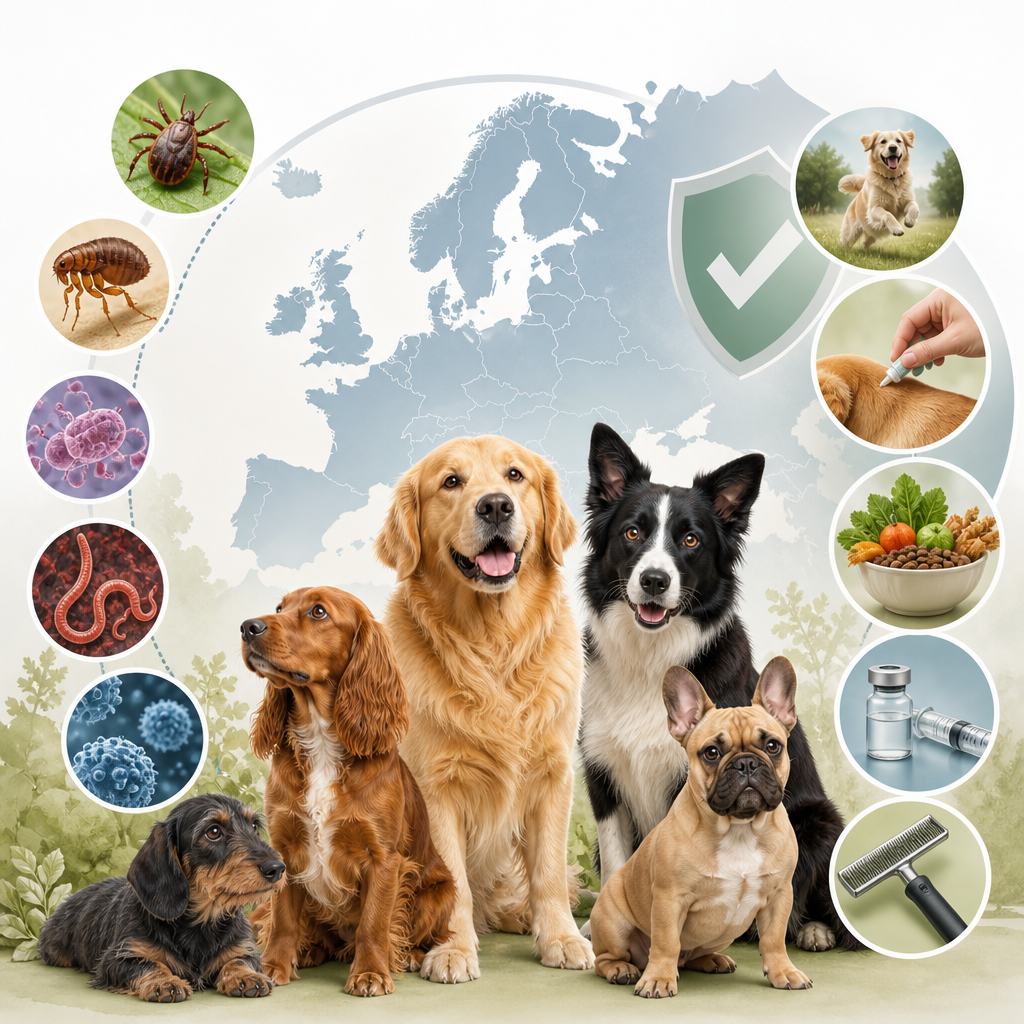
A muddy park puddle, a shared water bowl or a sunny holiday by the Mediterranean can all be part of a dog’s happy life, but they can also bring different health risks. Across Europe, dogs encounter familiar illnesses such as stomach upsets, coughs, dental problems and parasites, alongside region-specific threats that vary with climate, wildlife and travel habits. A city dog may need protection from ticks in a local green space, while a family pet travelling south may face sand flies, mosquitoes and diseases that are less common at home.
Good Dog health is not about worrying over every sneeze or skipped meal. It is about knowing what to watch for, taking sensible preventive steps and acting early when something seems wrong. Many common diseases can be avoided through vaccination, parasite control, balanced food, dental care and routine check-ups. Others cannot always be prevented completely, but prompt veterinary attention can make a major difference to recovery and comfort.
This guide is for every dog owner, including readers whose homes are usually ruled by cats. In a multi-pet household, understanding the basic health needs of dogs helps everyone feel more prepared. Some infections and parasites can affect more than one animal, while practical habits such as clean bedding, regular handwashing and careful observation benefit the whole family.
European veterinary medicine takes a strongly preventive approach, but the best plan is never exactly the same for every dog. Age, lifestyle, location, travel plans and existing health conditions all matter. By combining reliable home care with advice from a local veterinary team, you can help your dog enjoy safer walks, healthier holidays and many contented years by your side.
Vaccination-Preventable Diseases: Start With the Basics
Vaccination-Preventable Diseases: Start With the Basics
Vaccines are one of the most effective tools in Dog health. They train the immune system to recognise certain infections before a dog is exposed, helping to prevent illness altogether or make it far less severe. Your vet will usually recommend core vaccinations that protect against several serious common diseases.
Canine parvovirus is particularly dangerous for puppies and unvaccinated dogs. It spreads easily through contaminated faeces and environments, and can remain infectious for a long time. Dogs with parvovirus may develop severe vomiting, foul-smelling diarrhoea, dehydration and extreme weakness. Rapid veterinary treatment is essential, but prevention through vaccination is much safer.
Canine distemper is another potentially life-threatening viral disease. It can affect the respiratory system, causing coughing and nasal discharge, as well as the gut, with vomiting or diarrhoea. In some dogs, it later affects the nervous system, leading to tremors, twitching, seizures or changes in coordination. Infectious canine hepatitis, caused by canine adenovirus, can also be serious and may damage the liver, kidneys and eyes.
Rabies deserves special attention, especially for families travelling with dogs. Rules differ between European countries, and a valid rabies vaccination is usually essential for legal pet travel. Vaccination also remains important in regions where rabies continues to circulate in wildlife or domestic animals. Because rabies can infect people as well as animals, prevention protects the wider community.
Puppies need a carefully timed course of vaccinations, as immunity received from their mother can temporarily affect how well early vaccines work. Booster schedules also vary according to the vaccine used, local disease risks, a dog’s age and lifestyle. Rather than copying another owner’s plan or relying on outdated advice, ask your veterinary team to design a schedule that suits your dog and keeps protection up to date.
Leptospirosis: A Hidden Risk Around Water and Wildlife
Leptospirosis: A Hidden Risk Around Water and Wildlife
Leptospirosis is a bacterial disease that can be easy to overlook, yet it is an important concern for Dog health in many parts of Europe. The bacteria are commonly carried in the urine of infected animals, especially rodents such as rats and mice. Dogs may be exposed by drinking from contaminated water, walking through infected soil or puddles, or coming into contact with wildlife and their urine.
Risk is not limited to rural dogs. Farms, woodland trails and stagnant ponds can present exposure opportunities, but so can city canals, shared green spaces and urban areas with large rodent populations. Heavy rain and flooding can spread contaminated water more widely, making floodwater a particular concern. A dog does not need to swim to be at risk, as even licking wet paws after a walk may create an opportunity for infection.
Signs of leptospirosis vary and can resemble other common diseases. Watch for fever, unusual tiredness, vomiting, reduced appetite, increased thirst or noticeable changes in urination. Some dogs develop jaundice, which may make the gums, whites of the eyes or skin appear yellow. Because the illness can affect the kidneys and liver and may become serious quickly, prompt veterinary advice is important if these symptoms appear, particularly after possible exposure to water or wildlife.
Vaccination can help reduce the risk, but the best approach is not identical across Europe. The strains of leptospirosis found locally, a dog’s lifestyle and its likely exposure all influence whether vaccination is recommended and how often it is needed. Ask your local veterinary team about the risks in your area, especially before countryside holidays, farm visits or travel to regions affected by flooding.
Ticks, Fleas and the Diseases They Carry
Ticks, Fleas and the Diseases They Carry
Ticks and fleas are far more than an itchy annoyance. Flea bites can cause intense scratching, sore skin and flea allergy dermatitis, where even a small number of bites triggers a major reaction. Heavy flea infestations may also contribute to anaemia, particularly in young, small or unwell dogs. Ticks attach to the skin to feed and, in some cases, pass on infections while doing so.
Across different parts of Europe, tick-borne common diseases include Lyme disease, babesiosis, ehrlichiosis and anaplasmosis. Their distribution varies with local tick species, climate and wildlife, so a dog hiking in woodland, roaming long grass or travelling abroad may face different risks from a dog who mainly enjoys city walks. Babesiosis can be especially serious because it affects red blood cells, while other tick-borne infections may cause vague symptoms that are easy to miss at first.
Contact a vet promptly if your dog develops fever, unusual tiredness, pale gums, lameness, poor appetite or dark urine, especially after a known tick bite or time spent in tick-prone areas. These signs do not always mean a tick-borne illness, but they need timely assessment.
Prevention is one of the simplest ways to protect Dog health:
- Use a parasite-control product recommended by your vet, and apply it exactly as directed.
- Check your dog’s coat, ears, paws, underbelly and around the collar after walks, particularly in spring and autumn.
- Remove attached ticks promptly with a proper tick-removal tool, pulling steadily without squeezing the tick’s body.
- Wash bedding regularly and vacuum sleeping areas to help control fleas at home.
Your local veterinary team can advise on products that suit your dog, household and regional parasite risks.
Mediterranean and Travel-Related Risks
Mediterranean and Travel-Related Risks
A holiday in southern Europe can be wonderful for dogs, but warmer climates may bring parasite-borne diseases that are less familiar in northern countries. Before travelling, it is worth thinking beyond passports, pet-friendly hotels and car breaks. Dog health protection should also reflect the risks at your destination.
Leishmaniasis is one important concern in parts of the Mediterranean, including areas of Spain, Portugal, France, Italy, Greece and the Balkans. It is spread by infected sand flies, which are most active in warmer months and often around dusk and dawn. Signs can be subtle and may develop gradually. Watch for weight loss, tiredness, skin or coat changes, enlarged lymph nodes, eye problems and unusually long or brittle nails. Some infected dogs do not appear ill straight away, so prevention is particularly valuable.
Heartworm is another travel-related risk. Mosquitoes transmit the parasite, which can mature inside the heart and blood vessels. Affected dogs may eventually develop coughing, fatigue, reduced exercise tolerance or breathing difficulties. However, symptoms can take months, or even longer, to appear. This makes preventive treatment far safer than waiting for signs of illness.
Arrange a veterinary appointment well before departure. A local vet can recommend destination-specific parasite products, such as sand fly repellents and heartworm prevention, based on the season, length of stay and exact region. Some products need to be started before travel or continued after returning home.
Also check legal travel requirements early. Depending on where you are going, your dog may need a microchip, rabies vaccination, pet travel documentation or parasite treatment recorded by a vet. With a little planning, your dog can enjoy Mediterranean adventures more safely, whether that means beach walks, village strolls or relaxing beside you at a café.
Coughs, Stomach Bugs and Other Everyday Infections
Coughs, Stomach Bugs and Other Everyday Infections
Not every illness is linked to travel or parasites. Everyday infections can affect dogs anywhere in Europe, particularly where they meet lots of other dogs. Kennel cough is a contagious respiratory illness that may spread in boarding facilities, dog shows, training classes, groomers and busy parks. Despite its name, a dog does not need to stay in kennels to catch it.
Many dogs develop a dry, persistent cough that can sound like a honk, gag or retch. Some may also have a runny nose, mild fever or lower energy. A simple case can settle with veterinary guidance and rest, but coughing should never be dismissed automatically. Contact a vet if the cough is persistent, worsening or accompanied by nasal discharge, fever, poor appetite or tiredness. Puppies, senior dogs and dogs with existing breathing or heart problems need particular care.
Vomiting and diarrhoea are also common, but they have many possible causes. A dog may have eaten something unsuitable on a walk, raided the bin or had too many rich treats. Parasites, bacterial or viral infections, stress, sudden food changes and some underlying health conditions can cause similar signs.
If your dog is unwell, keep them away from other dogs until you have spoken to a veterinary professional, especially if coughing or diarrhoea could be infectious. Offer fresh water little and often, but do not give human medicines, as many are unsafe for dogs. Seek veterinary advice promptly if vomiting or diarrhoea is severe, bloody, frequent or lasts more than a short time. Fast action is especially important for young puppies, older dogs or any dog that seems weak, painful or dehydrated.
Long-Term Dog Health: Teeth, Weight and Ageing Well
Long-Term Dog Health: Teeth, Weight and Ageing Well
Not every important health problem arrives suddenly. Dental disease and obesity are among the most common, yet most overlooked, issues affecting pet dogs across Europe. Both can develop gradually, so dogs may seem fine while living with discomfort or facing growing risks to their long-term health.
Bad breath is not simply a normal part of having a dog. It can be an early sign of dental plaque, gum disease or infection. Visible tartar, reluctance to chew toys or dry food, dropping food, chewing on one side and pawing at the mouth can also indicate dental pain. A veterinary examination is the safest way to assess the problem, as painful teeth often need more than brushing alone.
Keeping dogs at a healthy weight matters just as much. Even a small amount of excess weight puts extra strain on joints and can increase the risk of reduced mobility, arthritis-related pain and diabetes. It may also make exercise harder, creating a cycle in which dogs gain more weight while becoming less active.
Simple routines can make a real difference:
- Measure meals rather than estimating portions, and include treats in the daily food allowance.
- Choose small, suitable treats and avoid frequent table scraps.
- Build in daily walks, gentle play and activities that suit your dog’s age, breed and mobility.
- Use dog-safe dental care, such as regular tooth brushing, alongside professional advice.
- Check body condition and weight regularly, not only at annual appointments.
European veterinary medicine increasingly prioritises prevention throughout a dog’s life. Senior health checks, routine blood tests and early pain assessments can identify changes before they become obvious at home. As dogs age, regular veterinary visits help owners adjust diet, exercise and comfort care, supporting happier, more active later years.
A Simple Prevention Plan for a Happier Dog
A Simple Prevention Plan for a Happier Dog
Good Dog health rarely depends on one big decision. It is built through small, consistent habits that protect against common diseases and help you spot trouble early. A simple prevention plan includes:
- Keeping vaccinations and booster appointments up to date
- Using vet-recommended flea, tick, worm and, where needed, mosquito protection
- Booking routine veterinary check-ups, plus senior screenings as dogs age
- Feeding measured, nutritionally complete meals and limiting high-calorie treats
- Providing daily exercise, play and mental stimulation suited to your dog’s age and ability
- Brushing teeth or using appropriate dental products, alongside professional dental checks
- Watching for changes in appetite, thirst, energy, weight, toileting, skin, coughing or behaviour
It also helps to keep a straightforward record, whether in a notebook or on your phone. Note vaccine dates, parasite treatments, medication, travel plans and any unusual symptoms. A short record can make it much easier for a vet to identify patterns, particularly if a dog has recurring stomach upsets, itching, stiffness or changes in mood.
Online information can be useful for learning the basics, but it cannot replace individual advice. Disease risks vary between countries, regions and even neighbourhoods. Your local veterinary team understands the realities of European veterinary medicine in your area, from tick activity and leptospirosis risk to travel-related requirements. They can tailor prevention to your dog’s lifestyle, age, breed and medical history.
The key takeaway is simple: stay consistent, notice changes early and ask for veterinary advice when something does not seem right. With a little planning, plenty of cuddles and prompt care, dogs can enjoy happy, healthy adventures throughout Europe.