Fueling Europe’s Active Dogs: A Friendly Guide to Proper Nutrition
Learn how to fuel active dogs with balanced meals, smart portions, hydration, and tailored feeding routines for every adventure across Europe.
Why Active Dogs Need a Different Dinner
Why Active Dogs Need a Different Dinner
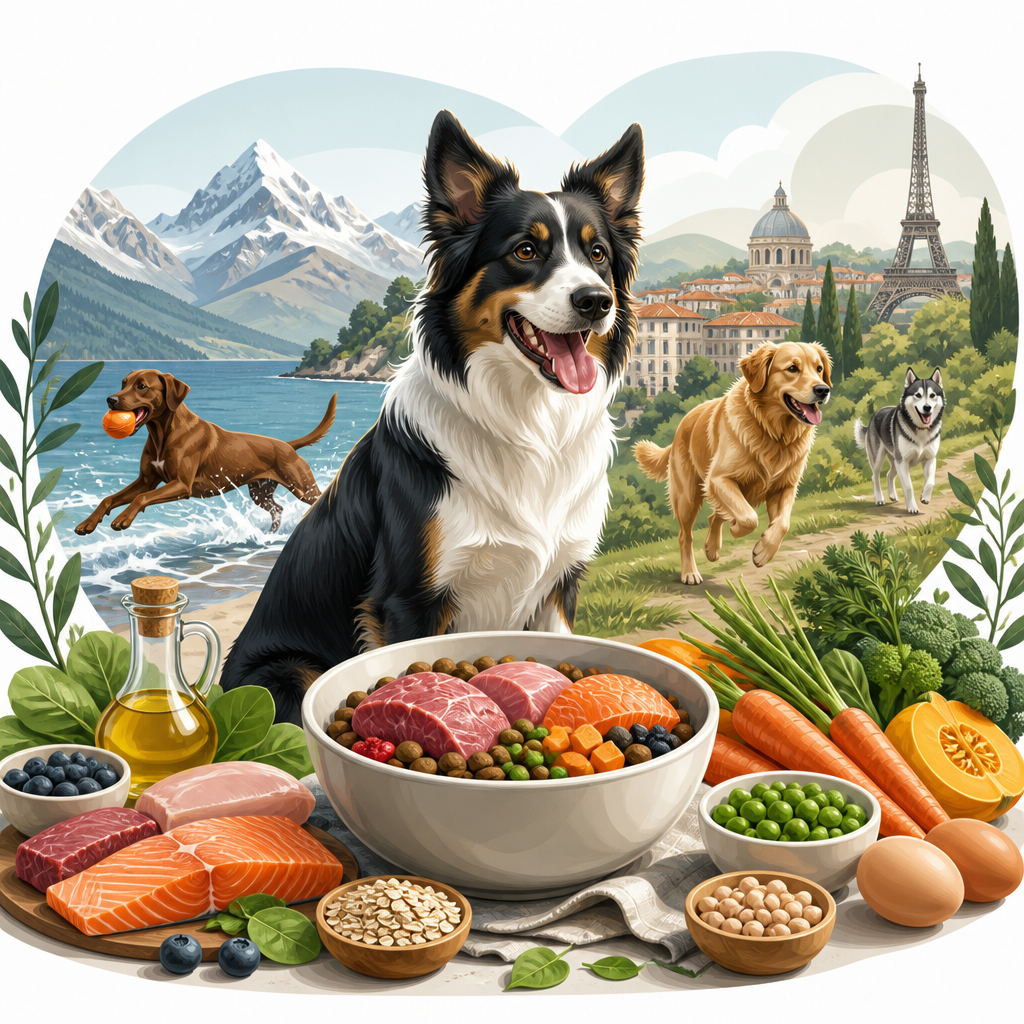
Whether you share your sofa with a trail-loving spaniel, a tireless shepherd, or an energetic canine companion who keeps your cat mildly offended, feeding time matters. Active dogs use far more energy than pets whose biggest daily workout is moving from bed to bowl. A dog hiking in the Alps, herding sheep, running beside a bicycle, or enjoying long city walks needs fuel that can support that busy lifestyle.
Still, “European dogs” are not one nutritional category. A small young terrier in Barcelona has different needs from an adult sheepdog in Scotland or a senior retriever walking through Amsterdam. Breed size, age, workload, health, climate, and individual metabolism all shape the right diet.
The aim of proper nutrition is simple: provide enough energy, protein, fats, vitamins, minerals, and water to keep active dogs strong and comfortable, without overfeeding. The best dog food supports the dog in front of you, not just their postcode or breed label.
What to Look for in Dog Food
What to Look for in Dog Food
Choose a complete and balanced dog food made for your dog’s life stage: puppy, adult, senior, or performance dog. These formulas are designed to provide the essential vitamins and minerals alongside the calories your companion needs.
For active dogs, protein matters because it supports muscle maintenance and recovery after long walks, training, or working days. Dietary fat is another valuable ingredient, supplying concentrated energy while helping to maintain healthy skin and a glossy coat. Carbohydrates can also play a useful role, particularly for dogs doing regular, long-duration exercise. Look for ingredients that are digestible and suit your dog, rather than assuming one ingredient is right for every pet.
A quick label tip: check for a clearly named animal protein source, such as chicken, salmon, lamb, or beef, and make sure the food matches your dog’s age and lifestyle. Use the feeding guide as a starting point, then adjust portions according to body condition, activity level, and veterinary advice.
Building a Feeding Routine for Active Dogs
Building a Feeding Routine for Active Dogs
For many active dogs, splitting the daily Dog food allowance into two or more meals is more comfortable than serving one oversized dinner. This is especially helpful for larger breeds, which may benefit from steadier energy intake and gentler digestion.
Try not to offer a large meal immediately before or after strenuous activity, whether that means a long hike, agility session, bike run, or energetic play. A calm rest period around meals is kinder to digestion and may help reduce risks for deep-chested dogs.
Water is just as important as food. Bring fresh water and a collapsible bowl on summer walks, travel days, hikes, and training sessions. Remember that winter activity can be dehydrating too, even when dogs do not seem thirsty. When travelling, pack familiar dog food where possible to avoid abrupt dietary changes.
Keep an eye on body condition as part of proper nutrition. You should be able to feel your dog’s ribs beneath a light fat covering, and see a clear waist when looking from above.
A Healthy, Happy Finish: Feed the Dog in Front of You
A Healthy, Happy Finish: Feed the Dog in Front of You
The best dog food is not necessarily the most expensive bag on the shelf. It is the food that helps your individual dog stay lean, energetic, comfortable, and ready for everyday adventures. Watch how your dog looks, feels, and performs, then adjust with care.
When changing foods, including before a more active season, make the transition gradually over several days. Mix increasing amounts of the new formula with the old one to give digestion time to adapt. Treats matter, too. Training rewards count toward daily calories, so keep them small and balance them with regular meals. Even the most enthusiastic active dogs are not bottomless snack containers.
Ask a veterinarian for tailored advice if you have a puppy, senior, working dog, dog with allergies, or a pet gaining or losing weight unexpectedly. Proper nutrition is always personal. Cats may judge every menu change, but a well-fed active dog will usually vote with a wagging tail, bright eyes, and eagerness for the next walk.