Löwchen Dogs: The Little Lion Companions Cat Lovers Can Appreciate
Discover the affectionate Löwchen, a playful little companion with lion-like style, cat-friendly potential and grooming needs before bringing one home.
Bichon Maltais, Maltese Spaniel, Maltese Terrier
Meet the Löwchen, the Little Lion Dog
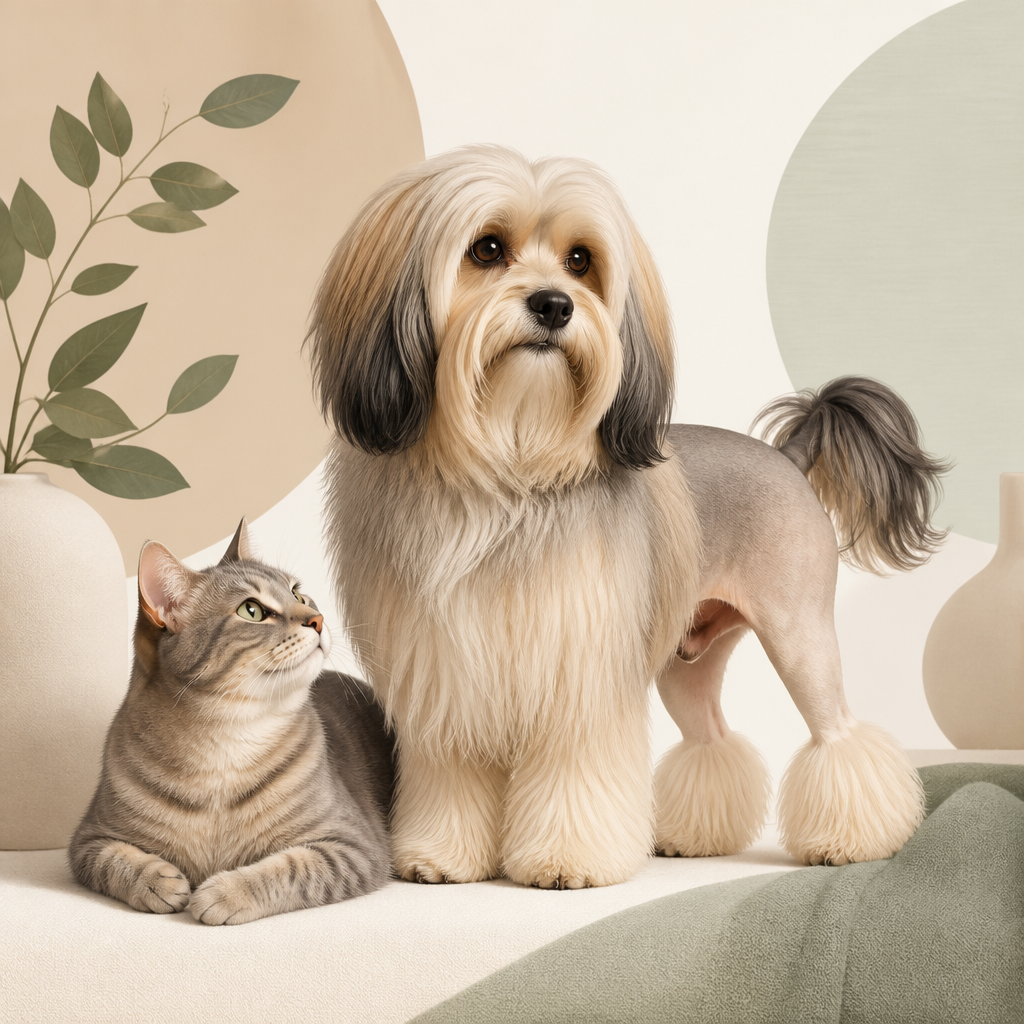
Small in size but big in personality, the Löwchen is the sort of dog that tends to make an entrance. Also known as the Little Lion Dog or Petit Chien Lion, this cheerful companion breed is famous for its flowing coat and traditional lion-style trim, complete with a full mane, clipped hindquarters and a tasseled tail. Beneath that theatrical look is a warm, lively little dog that usually wants nothing more than to be involved in everyday family life.
For cat lovers considering a dog, the Löwchen can be an appealing possibility. This is a people-focused companion rather than a breed developed to hunt, herd or work independently. Many Löwchens can learn to live politely with resident cats, particularly when they are introduced gradually and supervised carefully. Of course, no breed guarantees a perfect dog-and-cat friendship. The individual dog’s manners and the cat’s confidence matter far more than a label. Still, a well-managed Löwchen often has the sociable, adaptable nature that helps mixed-pet homes succeed.
Expect an affectionate, alert and intelligent companion with a playful streak. Löwchens tend to enjoy walks, games and short training sessions, but they do not usually require the demanding exercise routine of a high-energy sporting dog. They are often happiest near their people, whether that means joining a stroll, learning a new trick or settling beside someone on the sofa.
Their striking coat does need attention. Regular brushing and routine trimming help prevent tangles and keep this small dog comfortable. Families considering a Löwchen should also be ready to provide gentle training, companionship and thoughtful boundaries around other pets. In return, the Little Lion Dog can be a bright, loving household companion with plenty of charm.
A Brief History of a Very Old Companion
A Brief History of a Very Old Companion
The Löwchen’s exact origins are not completely settled, but the breed has deep roots in Europe and has appeared in artwork and written references for centuries. Small, long-coated dogs with a lion-like trim can be seen in paintings, tapestries and decorative objects from parts of France, Germany, Belgium and the Netherlands. This long visual history helps explain why the breed is often viewed as both charming and a little mysterious.
Unlike dogs developed to herd livestock, guard property or pursue game, the Löwchen’s role was close to home. The Löwchen has always been kept solely as a companion animal, making it easy for them to adapt to life with almost any family. Their job was essentially to be engaging, affectionate little house dogs, spending time with their people and bringing warmth to everyday life. That history still shows in the breed’s typically social, people-oriented nature.
The familiar lion clip also has historical associations. While it certainly makes the dog memorable, the style may have had practical appeal as well, leaving warmth around the chest and joints while keeping other areas easier to maintain. Today, it remains a traditional look rather than a requirement.
By the early and middle decades of the 20th century, Löwchens became extremely rare. Dedicated breeders worked to preserve the breed, but its small population helped maintain its reputation as an unusual and special dog. Even now, meeting a Löwchen is less common than meeting many other small companion breeds, which only adds to the appeal of this cheerful Little Lion Dog.
Temperament: Bright, Affectionate and Happily Involved
Temperament: Bright, Affectionate and Happily Involved
The Löwchen is often described as a small dog with a big interest in family life. Affectionate, alert and clever, this breed usually wants to know what its people are doing and would often prefer to join in. Many Löwchens are playful well into adulthood, enjoying a game of fetch, a short training session or simply following a favorite person from room to room.
Their social nature can be especially appealing to people who enjoy the close companionship often associated with cats. A Löwchen may happily curl up nearby during a quiet evening, then become lively and entertaining when it is time to play. They tend to notice visitors, sounds and changes around the home, but a well-socialized dog should be friendly rather than constantly reactive.
Because they form strong attachments, Löwchens generally do best in homes where they receive regular company. Long, frequent stretches alone can be difficult for some dogs, particularly if they have not gradually learned that alone time is safe and normal. Without patient training, appropriate chews, puzzle toys and enough daily interaction, a bored or worried Löwchen may bark, become restless or develop habits such as following one person everywhere.
Of course, no breed description can predict every individual dog. Some Löwchens are outgoing social butterflies, while others are quieter or more cautious with strangers. Early, positive exposure to different people, gentle dogs, household sounds and everyday situations helps build confidence. It also supports calm behavior around other pets and can reduce the risk of excessive barking, nervousness or over-attachment. For this people-loving little dog, kind boundaries are just as important as affection.
Can a Löwchen Live With Cats?
Can a Löwchen Live With Cats?
Many Löwchens can learn to live politely with cats. They were developed as companion dogs rather than for hunting or other work that relies on a strong prey drive, so they are often more interested in being close to their people than in pursuing a feline housemate. Their playful, alert nature still means that careful introductions matter. Breed tendencies are helpful context, not a guarantee of how any individual dog will behave.
Start slowly and give both pets time to adjust. Before face-to-face meetings, swap bedding or use a soft cloth to transfer each animal’s scent, then let the other investigate it calmly. Initial visual introductions can happen through a secure baby gate, with the dog on a leash if needed. Keep sessions short, quiet and positive, rewarding the dog for looking away from the cat, responding to their name or settling calmly.
Cats should always have control over their distance. Provide elevated escape routes, such as cat trees, shelves or gated rooms where the dog cannot follow. Feed pets separately, and do not force them to share beds, toys or attention before they are comfortable.
Never allow a Löwchen to chase a cat, even if it seems playful. Repeated chasing can frighten the cat, turn everyday movement into a trigger and create a stressful pattern for both animals. Interrupt calmly, redirect the dog to a toy, cue or mat, and reward calm choices.
The resident cat matters as much as the dog. A confident adult cat with positive dog experience may adapt quickly, while an elderly, anxious, ill or previously frightened cat may need a much slower process. Patient management, supervision and respect for each pet’s boundaries give this potential friendship its best chance.
The Famous Lion Clip and Easier Grooming Choices
The Famous Lion Clip and Easier Grooming Choices
The Löwchen’s best-known feature is its traditional lion clip, a style that gives the breed its Little Lion Dog name. In this trim, the rear body is clipped short, while longer hair is left around the chest and neck to form a mane. The tail ends in a soft tuft, and the lower legs retain longer furnishings, creating the breed’s distinctive, jaunty silhouette.
The lion clip is a classic choice, but it is not a requirement. While known for their unique ‘lion’ appearance, some owners choose to keep their fur in a simple, one length, short clip. This can be easier for busy households and may make regular coat care more manageable. A professional groomer familiar with small, long-coated breeds can help owners choose a practical style that suits both the dog’s lifestyle and the family’s grooming routine.
Although the Löwchen is generally low-shedding, its long, soft coat is not maintenance-free. Loose hairs can tangle rather than fall around the house, so brushing several times a week is important. Pay extra attention behind the ears, under the front legs, around the collar area and in the longer leg hair, where small mats can form quickly. Mats can pull on the skin and become uncomfortable if left untreated.
Regular baths, nail trims and professional grooming appointments also help keep a Löwchen comfortable. For many families, a trim every six to eight weeks is a useful starting point, though coat length and lifestyle can change that schedule. Make brushing a pleasant routine by offering tiny treats, praise and short sessions at first. A dog that learns grooming is safe and rewarding is more likely to enjoy the attention, rather than resist it.
Exercise, Training and Everyday Enrichment
Exercise, Training and Everyday Enrichment
The Löwchen is moderately active, not a dog that needs hours of hard running or a demanding sport to feel content. Daily walks, a little indoor or garden play, and regular chances to explore new sights and smells will usually meet its physical needs. Because this breed is small and people-oriented, several shorter activities spread through the day can suit it especially well.
Mental exercise matters just as much. Löwchens are bright little dogs, and a bored one may create its own entertainment by barking at windows, carrying off household items or pestering the cat. Food puzzles, treat-dispensing toys, simple scent games and short trick-training sessions give that busy mind a better outlet. Hide a few pieces of kibble around a room, teach a paw shake or spin, or practice finding a favorite toy by name.
In a home with cats, plan activities so the dog does not view the cat as its playmate. Use separate play sessions for fetch, tug or chase-style games, ideally in another room or outdoors. Reward the dog for noticing the cat and then calmly turning its attention back to you. This helps build a habit of peaceful coexistence rather than excitement or pursuit.
Positive reinforcement training is particularly effective for this affectionate, eager-to-please breed. Useful everyday skills include a reliable recall, calm greetings at the door, settling on a mat and “leave it” or “place” cues for giving the cat space. Keep lessons brief, upbeat and consistent. A few minutes of successful practice each day can be more valuable than one long session, and it helps the Löwchen become a relaxed, well-mannered member of a multi-pet household.
Health, Care and Choosing a Responsible Breeder or Rescue
Health, Care and Choosing a Responsible Breeder or Rescue
Like other small dogs, Löwchens benefit from steady preventive care throughout life. Plan for routine veterinary examinations, age-appropriate vaccinations, parasite prevention and prompt attention to changes in appetite, mobility, skin, eyes or behavior. Keeping a dog at a healthy weight is especially important, since extra pounds can put strain on small joints and reduce overall comfort. Regular dental care matters too. Daily tooth brushing is ideal, alongside veterinary dental checks and professionally recommended treatment when needed.
No breed is entirely free of possible health concerns, so responsible breeders should be open about the health of their dogs rather than making guarantees. Ask what health testing has been completed on the parents, whether there are known concerns in the family line and how puppies are raised during their first weeks. A thoughtful breeder will also discuss temperament, early socialization and the kind of home each puppy may suit. Puppies that have experienced gentle handling, household sounds and positive exposure to new people can have a helpful foundation for later training.
Adoption is another worthwhile path. Breed-specific rescues and small-dog rescues occasionally have Löwchens or similar companion breeds needing homes. An adult dog may come with a clearer picture of its established personality, grooming tolerance and response to cats, although careful introductions are still essential.
Before bringing a Löwchen home, set up a quiet adjustment area where the dog can rest without being overwhelmed. Have safe chews, appropriate grooming tools and a comfortable bed ready. In a cat-owning household, provide separate feeding areas and make sure the cat retains access to elevated resting spots and dog-free retreats. Thoughtful preparation gives every pet the space to settle in safely.
Is a Löwchen the Right Little Lion for Your Home?
Is a Löwchen the Right Little Lion for Your Home?
For the right household, the Löwchen offers a particularly appealing mix of warmth, liveliness and adaptability. This is a small dog with a big interest in everyday family life, whether that means joining a gentle walk, learning a new trick, curling up beside someone on the sofa or simply following its people from room to room. Its cheerful expression and distinctive coat add to the charm, but the breed’s real appeal is its affectionate, engaged nature.
A Löwchen may be a good fit for people who want a true companion rather than a highly independent pet. They tend to thrive with regular attention, kind and consistent training, daily activity and opportunities to use their bright minds. Their exercise needs are manageable for many homes, but their grooming needs should be considered honestly. Brushing, coat care and occasional professional trims are part of life with this breed, whether the dog wears the traditional lion clip or a practical shorter style.
For cat lovers, a Löwchen can be a promising choice, especially when the individual dog has a calm, responsive temperament and the home is managed thoughtfully. Supervised introductions, separate feeding spaces, reliable training and safe high places for the cat can make a major difference. A friendly dog should still be taught that chasing is never acceptable.
No breed can guarantee harmony with cats, children or other dogs. The best match depends on the personalities and needs of every animal in the home. Still, for families ready to provide companionship, patient guidance and regular grooming, the Little Lion Dog can be a loving and delightful addition. The clear takeaway is simple: with respectful introductions and ongoing care, a Löwchen can be a wonderful little companion in a peaceful multi-pet home.


2 thoughts on “Löwchen Dogs: The Little Lion Companions Cat Lovers Can Appreciate”