Akita Inu: A Friendly Guide to Japan’s Powerful, Loyal Dog Breed
Discover the Akita Inu’s history, loyal nature, training needs and care requirements to see whether this powerful Japanese breed suits your home.
Meet the Akita Inu
Meet the Akita Inu
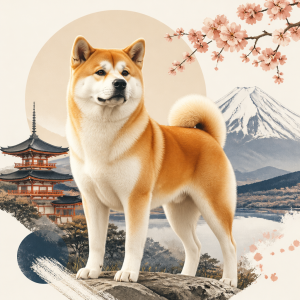
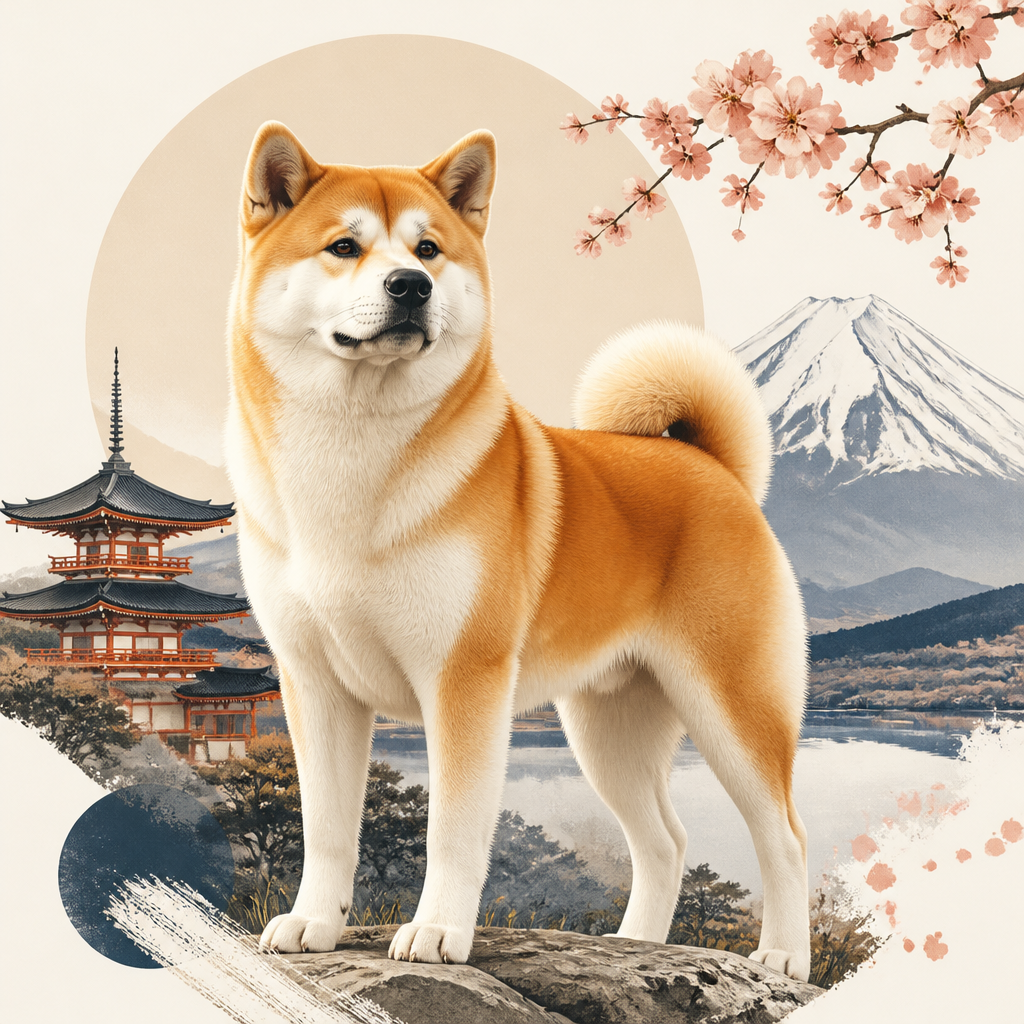
Few dogs make an entrance quite like the Akita Inu. With a broad, bear-like head, alert upright ears, a curled plume of a tail and a calm, watchful presence, this is a breed that naturally draws attention. Yet the Akita’s appeal goes far beyond its striking looks. Well known for forming profound bonds with its family, the Akita Inu can be a steady, affectionate and remarkably devoted companion.
The Japanese Akita Inu dog is one of Japan’s best-known native breeds. Originating in the mountainous north of the country, it is admired both at home and around the world for its proud appearance, quiet confidence and long connection with Japanese culture. Its foxlike expression and dense coat give it a distinctive spitz-type look, while its strong frame reflects a heritage shaped by demanding work and harsh weather.
An Akita is not usually a dog that showers every visitor with instant enthusiasm. Many are reserved with strangers and prefer to assess a new person or situation before deciding how they feel. With the people they trust, however, they can be wonderfully loving, playful and protective of their home life. Their loyalty is often one of the qualities owners treasure most.
That said, this is an impressive, powerful dog with an independent mind. Akitas need thoughtful training, careful socialization and owners who can provide clear routines and responsible supervision. They may not be the easiest choice for first-time dog owners, busy households without time for training, or homes where a highly social, easygoing dog is expected.
For the right person, though, the Akita Inu is far more than a beautiful dog. It is a dignified friend with a bold spirit and a deep capacity for family loyalty.
The History and Heritage of the Akita Inu Dog Breed
The History and Heritage of the Akita Inu Dog Breed
The Akita Inu dog breed comes from Akita Prefecture, a mountainous region in northern Japan known for cold winters and rugged landscapes. Its ancestors were sturdy local hunting dogs, developed to work alongside people in demanding conditions. These powerful dogs were used to track and hold large game, including deer, wild boar and, historically, bears. Their strength, courage and weather-resistant coats were practical qualities long before the breed became admired around the world.
Over time, the Akita gained a special place in Japanese culture. The breed is widely associated with loyalty, bravery and good fortune. Small Akita figurines are often given as gifts in Japan to wish someone health, happiness or a quick recovery. This symbolism reflects the breed’s proud, protective image, but it should not obscure the fact that an Akita is also a serious, independent dog with needs that require thoughtful ownership.
No Akita story is better known than that of Hachiko. In the 1920s, Hachiko reportedly waited at Tokyo’s Shibuya Station each day for his owner, Professor Hidesaburo Ueno, to return from work. After Ueno died unexpectedly, Hachiko continued to visit the station for years. His devotion made him a lasting national symbol, and a statue of Hachiko still stands near Shibuya Station.
Hachiko’s story is touching, but modern Akitas should not be chosen simply for the idea of instant devotion. Loyalty grows through daily care, patient training, kind handling and a secure bond with their family. The Japanese Akita Inu dog can be deeply affectionate with its people, yet it also needs boundaries, early socialization and an owner who understands its powerful heritage.
Akita Inu Dog Characteristics: Appearance and Personality
Akita Inu Dog Characteristics: Appearance and Personality
The Akita is an unmistakable dog: large, solidly built and carrying itself with quiet dignity. Its broad head, small upright ears and dark, alert eyes create a distinctly foxlike expression, while its thick, curled tail rests high over the back. A strong neck, deep chest and powerful legs reflect the breed’s working history and give it an imposing presence without making it clumsy.
The Japanese Akita Inu dog has a dense double coat designed for cold northern weather. The outer coat is straight and somewhat harsh, while the undercoat is soft, thick and insulating. Common Japanese Akita colors include red fawn, brindle, white and sesame, which is a red coat with black-tipped hairs. Red, brindle and sesame Akitas should display urajiro: pale cream or white markings on the sides of the muzzle, cheeks, throat, chest, belly, underside of the tail and inner legs. These markings are an important feature in the Japanese breed standard.
Among the defining akita inu dog characteristics are calm confidence, intelligence and a notably independent nature. Akitas often form very strong attachments to their families, and many are affectionate in a quiet, undemonstrative way. They are usually reserved with unfamiliar people rather than eagerly social, so respectful introductions and clear guidance are important.
This is also a powerful breed with instincts that deserve careful management. Many Akitas are selective about other dogs, particularly dogs of the same sex, and some have a strong prey drive toward cats, small pets or wildlife. Early socialization can help a puppy learn to navigate the world calmly, but it does not erase inherited tendencies. Consistent leash training, secure fencing and sensible supervision are essential throughout life.
Akita Dog and Shiba Inu Difference: How Do They Compare?
Akita Dog and Shiba Inu Difference: How Do They Compare?
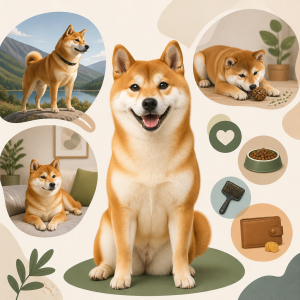
The Akita and Shiba Inu share Japanese roots and spitz-type features, including pointed ears, curled tails and thick double coats. However, the akita dog and shiba inu difference is far more than size. An Akita is a large, heavy-boned and notably powerful dog, while a Shiba is compact, agile and much easier to physically manage. A full-grown Akita can outweigh a Shiba several times over, so everyday handling, walking and training carry greater responsibility.
Their personalities also differ. Shibas are often bright, lively and spirited, with a playful independence that can feel almost catlike. Akitas tend to be quieter, more serious and more reserved. They may be deeply affectionate with their own family, but are commonly aloof with strangers and less interested in making friends with every dog or person they meet.
Both breeds need training, exercise and early socialization, but an Akita’s size and instincts raise the stakes. A Shiba may be strong-willed and prone to chasing small animals, yet an Akita has the strength to pull an unprepared handler and may be less tolerant of unfamiliar dogs. Calm, consistent guidance, reliable leash skills and secure fencing are especially important for Akitas.
Grooming needs overlap because both shed heavily, particularly during seasonal coat blows. Still, the Akita’s larger body and denser coat mean more fur, more brushing and more cleanup. In homes with cats or other small pets, neither breed should be assumed safe without careful introductions and ongoing supervision. Most importantly, prospective owners should not think of an Akita as an oversized Shiba Inu. It is a distinctly different dog, with a more imposing presence and greater management needs.
Living With an Akita: Exercise, Training and Socialization
Living With an Akita: Exercise, Training and Socialization
An Akita needs daily activity, but it is not usually a breed that requires nonstop, high-intensity exercise. Purposeful walks, time to explore safely on leash, and play suited to the individual dog can help keep this powerful companion physically satisfied. Just as important is mental work. Short training sessions, scent games, food puzzles and practicing everyday skills give an intelligent Akita something productive to do.
Training should begin early and continue throughout the dog’s life. Akitas tend to respond best to calm, positive and consistent handling. They are independent thinkers, so harsh corrections or repetitive drilling can damage trust rather than improve behavior. Clear household rules, rewards for good choices and patient practice are far more effective. Because a full-grown Akita is large and strong, teaching polite leash walking, recall foundations and calm greetings while the dog is young is especially valuable.
Early socialization also matters, though it should be thoughtful rather than overwhelming. Puppies should gradually encounter different people, sounds, surfaces, vehicles and places in a safe, positive way. Controlled introductions to well-matched, respectful dogs can help, but owners should not expect every Akita to enjoy dog parks or unfamiliar dogs as an adult. Many are naturally reserved, and some become dog-selective with maturity.
Secure fencing is essential, both for safety and to prevent wandering after wildlife. Akitas should be supervised around smaller pets, including cats, rabbits and small dogs, because their size and prey drive can create real risks. With reliable routines, careful management and respectful training, an Akita can be a calm, well-mannered companion at home.
Akita Inu Baby Dog Care: What Puppies Need
Akita Inu Baby Dog Care: What Puppies Need
An akita inu baby dog may look like a soft, bear-like bundle of fluff, but that small puppy will grow quickly into a large, powerful adult. Preparation matters from the first day. Before bringing a puppy home, set up a calm, secure space with a comfortable bed, water bowl, puppy-safe gates and a crate sized appropriately for training. Remove hazards such as electrical cords, toxic plants, small objects and anything tempting to chew.
Choose a complete, high-quality puppy food suited to large-breed growth, and ask your veterinarian or breeder for feeding guidance. Rapid, uncontrolled growth can put unnecessary strain on developing joints, so avoid overfeeding and follow sensible portion recommendations. Schedule early veterinary appointments for wellness checks, vaccinations, parasite prevention and advice on microchipping and spaying or neutering.
Crate training, introduced patiently and positively, can help with house training, safe rest and future travel. Offer durable, chew-safe toys, but supervise play and replace damaged items promptly. Akita puppies are intelligent and curious, so they need appropriate outlets for chewing, exploring and learning.
Early socialization should be gentle, gradual and positive. Let the puppy experience everyday sounds, different floor surfaces, calm visitors, car rides and respectful handling of paws, ears and mouth. Carefully chosen meetings with healthy, well-mannered dogs can also help, but avoid overwhelming situations or uncontrolled dog parks. The aim is not to make every Akita highly social, but to build confidence and teach calm, safe responses.
Choose an ethical breeder or reputable rescue organization. Ask breeders about health testing, parent temperaments, early socialization and how puppies are raised in the home. A thoughtfully raised puppy, combined with consistent care and training, gives this devoted breed its best start.
Grooming, Health and Everyday Care
Grooming, Health and Everyday Care
The Akita’s handsome appearance comes with a substantial double coat. A dense, insulating undercoat keeps the dog comfortable in cold weather, while the straighter outer coat helps protect the skin. Akitas shed year-round to some degree, but many have a dramatic seasonal “coat blow” once or twice a year, often in spring and fall. During these weeks, loose fur can seem to appear everywhere.
Weekly brushing is usually enough for most of the year. When shedding increases, brushing several times a week, or even daily, helps remove the thick undercoat before it mats or fills the house. A slicker brush, pin brush and undercoat rake can be useful, but avoid shaving an Akita unless a veterinarian recommends it for a medical reason. The double coat provides important protection from both heat and cold.
Everyday grooming also includes regular nail trims, ear checks and dental care. Long nails can affect comfort and movement, while clean ears and routine tooth brushing help prevent common problems. Bathing is needed only occasionally, unless the dog gets particularly dirty.
Like all large breeds, Akitas can be prone to hip issues. Responsible owners should also discuss eye conditions, thyroid problems and immune-related skin concerns with a veterinarian or breeder. Ethical breeders screen their dogs for relevant inherited health conditions, and rescue organizations may be able to share available medical history.
A high-quality, appropriately portioned diet supports healthy growth, energy and coat condition. Keeping an Akita at a lean, healthy weight reduces unnecessary strain on joints. Regular veterinary exams, parasite prevention, vaccinations and prompt attention to changes in appetite, skin, mobility or behavior all help this powerful companion enjoy a long, comfortable life.
Is the Akita Inu Right for You?
Is the Akita Inu Right for You?
The Akita is a beautiful, intelligent and deeply loyal dog, but its impressive presence comes with real responsibilities. This is not typically a breed that thrives on casual training, inconsistent rules or being left alone for long periods without companionship and enrichment. An Akita often forms an exceptionally close bond with its family, yet may remain reserved with visitors and selective around other dogs.
The best home for an Akita usually includes an experienced, or at least confident and well-prepared, dog owner. They need patient, positive training, clear boundaries and reliable daily routines from puppyhood through adulthood. Secure fencing, strong leash skills and thoughtful supervision are especially important because of the breed’s size, strength and potential prey drive. Families should also consider whether they can manage introductions to guests, interactions with other pets and the breed’s considerable seasonal shedding.
Before choosing a puppy or adult dog, meet adult Akitas whenever possible. Seeing the Japanese Akita Inu dog in everyday settings can give you a more realistic sense of its calm, powerful character than photos alone. Research breeders carefully, ask about health testing and temperament, and make sure puppies are raised with appropriate early handling and socialization. Reputable breed rescues can also be a wonderful option, particularly for people ready to give an adult Akita a stable, understanding home.
Consider your schedule, living space, experience with strong independent dogs and willingness to train consistently. The Akita Inu dog breed is not the right fit for every household, and that is perfectly fine. But for committed owners who offer respectful leadership, structure and affection, an Akita can become a devoted, dignified and unforgettable member of the family.