Dogs: A Friendly Guide to Their Looks Personality and Care
Discover the loyal, wrinkled Shar Pei, from its distinctive looks and reserved nature to training, grooming and health care needs at every age.
Meet the Shar Pei: An Instantly Recognisable Chinese Dog
Meet the Shar Pei: An Instantly Recognisable Chinese Dog
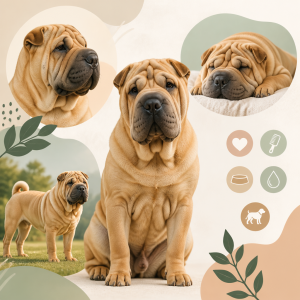
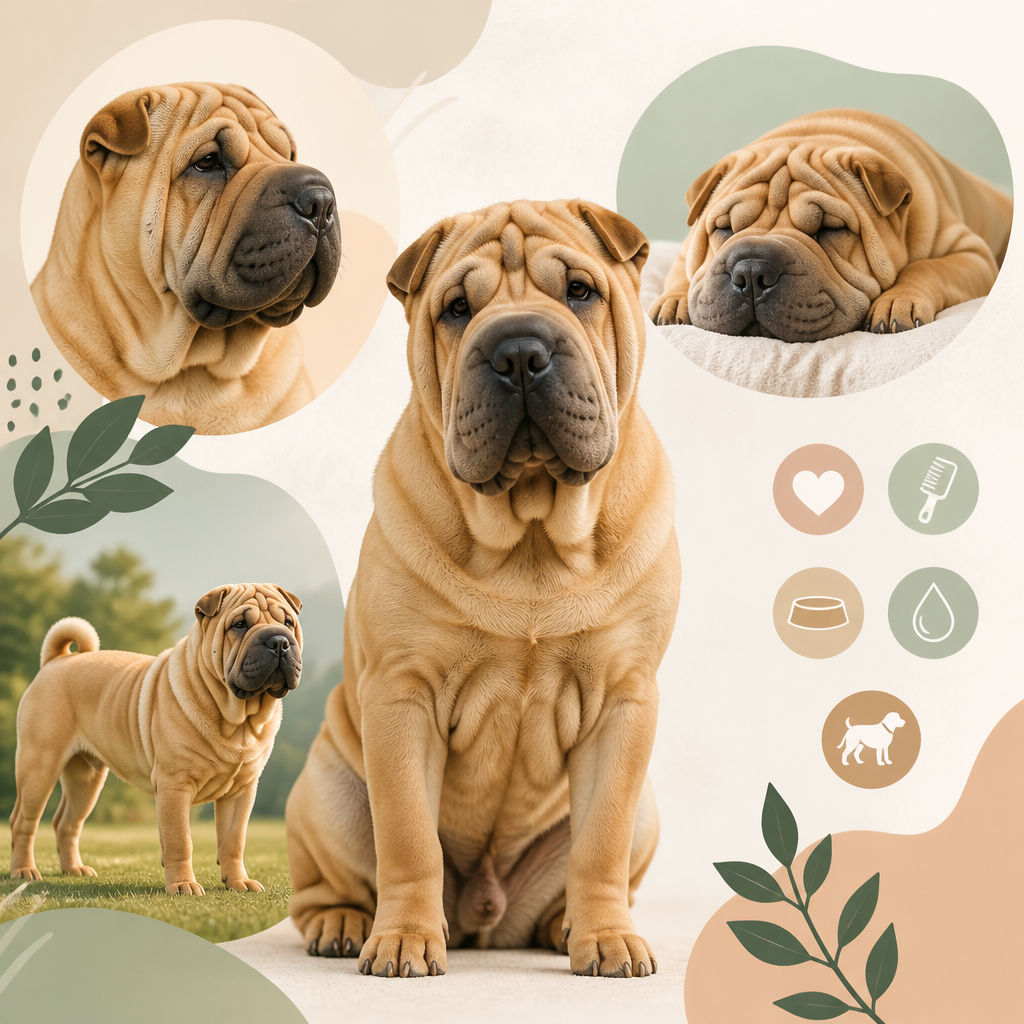
A face full of folds, a blue-black tongue and a quiet, watchful gaze make the Shar Pei one of the easiest dogs in the world to recognise. Even people who do not know the breed’s name often remember its remarkable wrinkles and unusual, hippopotamus-like muzzle. Beneath that distinctive appearance is a thoughtful, loyal dog with a strong sense of its family.
The Chinese Shar Pei is an ancient breed with roots in southern China. It was developed as a practical working dog, but today it is often valued as a devoted companion with plenty of character. A Shar Pei dog may be affectionate and playful with the people it knows well, while appearing reserved around strangers. This calm dignity is part of the breed’s appeal, although it can sometimes be mistaken for aloofness.
Their famous loose skin is not the only unusual feature. Shar Pei dogs tend to have small, folded ears, a tightly curled tail and a compact, muscular build. Their blue-black tongue, shared with only a small number of breeds, adds another memorable detail.
While their wrinkled faces can make them look comical or cuddly, a Shar Pei is not simply a decorative pet. These are intelligent, independent dogs that benefit from patient training, careful socialisation and owners who understand their needs. Their skin, ears and eyes also require regular attention.
For the right home, the Chinese Shar Pei can be a deeply loyal and dignified companion. However, living happily with one means looking beyond the wrinkles and committing to informed, consistent care from puppyhood through adulthood.
A Brief History of the Chinese Shar Pei
A Brief History of the Chinese Shar Pei
The Chinese Shar Pei has deep roots in southern China, where dogs of this general type are thought to have lived and worked for centuries. Developed as practical, versatile companions rather than simply pets, they helped on farms by guarding property, controlling pests and, in some areas, assisting with hunting. Their compact, sturdy build and alert nature suited a life in which they needed to notice unfamiliar people or animals quickly.
This working background helps explain much of the modern Shar Pei dog’s personality. Many are naturally watchful around strangers, strongly attached to their own family and quite capable of making up their own minds. They are not usually dogs that greet every new person or dog with instant enthusiasm. Instead, a well-bred, well-socialised Shar Pei is often calm, reserved and observant, taking time to assess a situation before relaxing.
The breed’s future became uncertain during the twentieth century. Political and economic changes in China greatly reduced dog ownership, and the Shar Pei came dangerously close to disappearing. In the 1970s, breed supporters appealed for help internationally, and enthusiasts outside China began importing and breeding the remaining dogs. Those efforts played a vital role in preserving the breed known today.
That history is worth remembering when choosing a Shar Pei. Their loyalty and dignity are genuine strengths, but so are their independence and protective instincts. Early, kind socialisation and consistent reward-based training help a Chinese Shar Pei learn that everyday visitors, dogs and new experiences are safe. With thoughtful guidance, these ancient farm guardians can become steady, devoted household companions.
Shar Pei Appearance: Wrinkles, Coats and Body Types
Shar Pei Appearance: Wrinkles, Coats and Body Types
A Shar Pei dog is compact, sturdy and surprisingly muscular beneath its loose-looking skin. Adults have a broad chest, strong neck and square, balanced outline, giving them a solid, purposeful appearance. Their tiny, folded ears sit close to the head, while their high-set tail usually curls over the back. Perhaps their most unusual feature is the broad, padded muzzle, often compared to a hippopotamus, alongside the breed’s famously blue-black tongue.
Wrinkles are most dramatic in Shar Pei puppies, especially around the head, neck and shoulders. Many adults become less wrinkled as they mature, although the amount varies between individual dogs and bloodlines. More wrinkles are not necessarily better: deep folds need careful monitoring and cleaning to avoid trapped moisture and skin irritation.
There are three commonly discussed coat types:
- Horse coat: The shortest and harshest coat, lying close to the body. It is often very prickly to the touch.
- Brush coat: Slightly longer, softer and fuller than the horse coat, while still remaining fairly short.
- Bear coat Shar Pei: A rarer variety with a longer, fluffier coat, sometimes giving the dog a softer, more teddy-bear-like look. This coat may require more brushing and is not accepted by every breed standard.
You may also hear people distinguish between “meat mouth” and bone mouth Shar Pei types. A meat mouth usually has the broader, fuller muzzle associated with the modern show-ring look and may carry heavier facial wrinkles. A bone mouth Shar Pei generally has a longer, narrower muzzle, a more athletic appearance and often fewer exaggerated folds. Neither type changes the need for thoughtful breeding, good skin care and a home that appreciates this unmistakable dog’s individual character.
Shar Pei Temperament: Are Shar Pei Aggressive?
Shar Pei Temperament: Are Shar Pei Aggressive?
Are Shar Pei aggressive? This is one of the most common questions about the breed, and the short answer is no, not by nature. A well-bred, well-socialised Shar Pei is more often calm, dignified and watchful than openly friendly with everyone they meet. Many are deeply devoted to their own family while remaining reserved around strangers, which reflects the Chinese Shar Pei’s long history as a guard and farm dog.
That natural protectiveness can be misunderstood. A Shar Pei dog may prefer not to be fussed over by unfamiliar people or rushed into greetings with other dogs. This does not automatically mean aggression. However, any dog can react defensively if it feels frightened, trapped, uncomfortable or in pain. Poor socialisation, harsh treatment, inconsistent rules and unmanaged stressful encounters can all increase the chance of unwanted behaviour.
Early, positive socialisation is especially important. Puppies should gradually learn that visitors, children, friendly dogs, traffic, veterinary handling, household noises and new places are ordinary parts of life. Keep introductions calm and rewarding, and never force a puppy to approach someone or something that worries them. Pairing new experiences with treats, praise and enough space helps build confidence.
Training should be kind, clear and consistent. Short reward-based sessions can teach useful skills such as coming when called, walking politely on a lead and settling calmly around distractions. Calm leadership matters more than trying to dominate a dog.
It is also wise to respect a Shar Pei’s personal space. Teach children not to climb on, hug or disturb the dog while eating, sleeping or resting. With thoughtful handling and patient training, this independent breed can become a steady, loyal and wonderfully mannered companion.
Training and Socialisation for a Well-Mannered Shar Pei
Training and Socialisation for a Well-Mannered Shar Pei
Early training is especially important for a Shar Pei dog. These dogs are intelligent and quick to learn, but their independent nature means they may not see the point of repeating an exercise simply to please someone. Begin from the first days at home, using kind, consistent routines and rewards that make good choices worthwhile.
Keep sessions short, upbeat and practical. A few minutes at a time is often enough for a young puppy. Focus on useful everyday skills, including coming when called, walking without pulling, waiting calmly at doors and settling on a bed or mat. Gentle handling practice also matters. Regularly reward the puppy for allowing paws, ears, skin folds and mouth to be checked, as this can make grooming and veterinary visits less stressful later on.
Well-run puppy classes can be a valuable part of socialisation. Look for a qualified, force-free trainer who uses reward-based methods and keeps class sizes manageable. The goal is not to make every puppy play with every other dog. Instead, your Chinese Shar Pei should learn that unfamiliar people, dogs, noises and environments can be approached calmly and safely.
Many adult Shar Pei are selective about canine company, and that is not a failure in training. Avoid forcing greetings or allowing strangers and dogs to crowd your puppy. Give them space, use a lead when needed and reward relaxed behaviour from a comfortable distance. Controlled, positive experiences build confidence far better than overwhelming encounters.
With patient guidance, clear boundaries and respectful socialisation, a Shar Pei can grow into a composed companion that handles daily life with quiet confidence.
Daily Care: Exercise, Grooming and Home Life
Daily Care: Exercise, Grooming and Home Life
A Shar Pei dog does not usually need hours of intense exercise, but it does need a reliable daily routine. One or two sensible walks, combined with time to sniff and explore, will suit many adult dogs well. Sniffing is valuable mental exercise, especially for this thoughtful, observant breed. Short training games, gentle tug, food puzzles and low-impact play in a secure area can add variety without overdoing it.
Avoid strenuous activity in very hot weather, particularly with puppies, older dogs or dogs with breathing difficulties. Their compact build means some Chinese Shar Pei can enjoy a good walk, but they are not typically built for long-distance running or repeated high-impact jumping.
Wrinkle care is an important part of grooming. Check the skin folds regularly for redness, odour, dampness or irritation, especially after walks in rain or after bathing. Gently dry folds with a clean, soft towel, but avoid over-cleaning or using harsh products unless a vet recommends them. Healthy skin should be kept clean and dry, not constantly treated.
Most Shar Pei coats are fairly easy to maintain with a weekly brush and occasional bath. The short horse coat needs little more than a gentle grooming mitt, while the slightly longer brush coat may benefit from more regular brushing during shedding periods. A bear coat Shar Pei has a longer, fluffier coat and will often need brushing several times a week to prevent tangles and remove loose hair.
The breed can fit happily into a quieter home, provided it is not left isolated. A calm household, predictable routines, companionship and a comfortable place to rest can suit a Shar Pei very well. They may be reserved rather than constantly attention-seeking, but they still thrive when included as part of family life.
Health Considerations Before Bringing Home a Shar Pei
Health Considerations Before Bringing Home a Shar Pei
A Shar Pei can be a wonderful companion, but prospective owners should understand that the breed may need more than routine veterinary attention. Their skin folds can trap moisture and debris, increasing the risk of irritation, infection and recurring skin problems. Narrow ear canals can also make ear infections more likely, while eye conditions, particularly entropion, may cause the eyelids to roll inward and irritate the eye.
Some Chinese Shar Pei are prone to allergies, which can show up as itchy skin, ear trouble or digestive upset. The breed is also associated with Shar Pei fever, a condition involving recurring episodes of fever and swelling around the hocks. It can be linked with a more serious inflammatory condition affecting internal organs, so any unexplained fever, swelling, vomiting or unusual tiredness should be discussed with a vet promptly.
A responsible breeder should be open about the health of both parents and close relatives. Ask what relevant health screening has been carried out, whether any dogs in the family have had eye, skin, fever or kidney-related problems, and how the breeder supports puppies after they leave. No breeder can promise a completely healthy dog, but honesty and careful breeding decisions matter greatly.
It is wise to budget for pet insurance from the start, along with vaccinations, preventive care, quality food and possible specialist appointments. Skin, eye and internal medicine treatment can become expensive if long-term issues develop.
Take time to research breeders, visit where puppies are raised and avoid anyone who will not answer health questions clearly. Alternatively, breed-specific rescue organisations can be a thoughtful route, often helping match adult Shar Pei dogs with homes that understand their needs.
Is a Shar Pei Dog Right for You?
Is a Shar Pei Dog Right for You?
A Shar Pei dog can be a wonderful choice for the right household. These dogs are famously loyal to their families, full of quiet character and striking enough to turn heads wherever they go. Their wrinkled skin, blue-black tongue and serious little expression give the Chinese Shar Pei a look unlike almost any other breed.
They also tend to have low-to-moderate exercise needs. A couple of sensible walks, time to sniff and explore, and some calm play or training each day will suit many adult dogs. This can make them a good fit for people who prefer a steady companion over a highly energetic dog that needs hours of intense activity.
However, their calm nature should not be mistaken for an easy-care temperament. Shar Pei dogs need early, ongoing socialisation and kind, consistent training. They are often selective about strangers and other dogs, so owners should be prepared to guide interactions rather than expect a social butterfly. Regular wrinkle checks, careful drying after baths or wet walks, grooming and close attention to skin, ears and eyes are also part of responsible ownership.
Before deciding, try to meet several adult Chinese Shar Pei dogs. Speaking with experienced owners, reputable breeders and breed-specific rescue volunteers can offer a more realistic view than puppy photos alone. Ask about temperament, health history, daily routines and the support available after bringing a dog home.
The right Shar Pei is not simply a memorable-looking pet. For a prepared home willing to offer patient training, thoughtful care and respect for its independent personality, this dignified dog can become a deeply devoted companion.