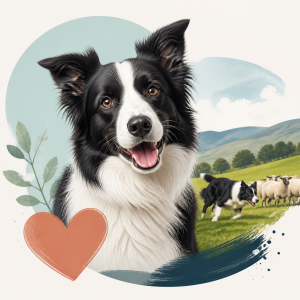
Border Collies: Smart, Energetic Dogs With Big Hearts
Discover the Border Collie’s intelligence, energy and loyal heart, plus the exercise, training and purpose this remarkable breed needs to thrive.
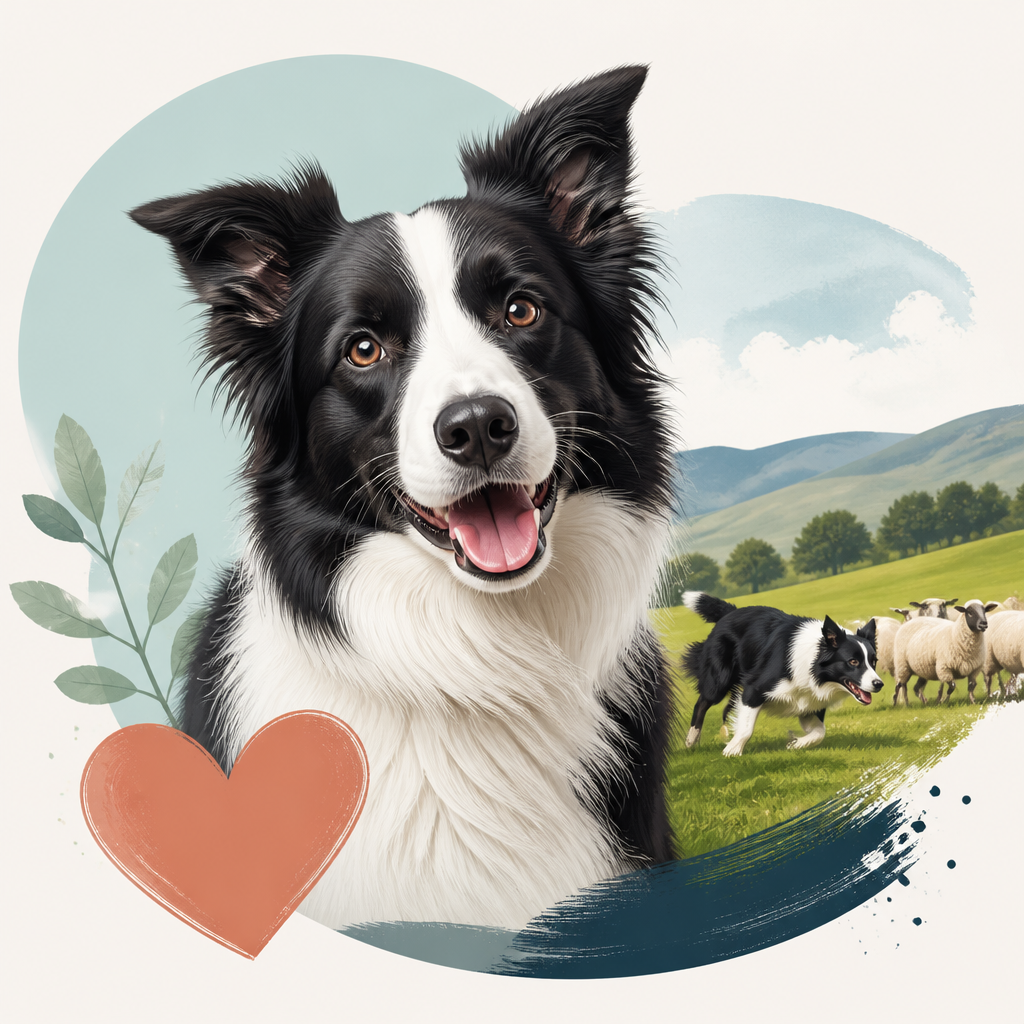
Meet the Border Collie
Meet the Border Collie
Few dogs combine quick thinking, boundless energy and devotion to their people quite like the Border Collie. Often regarded as one of the world’s most intelligent and hardworking breeds, this remarkable dog is known for learning quickly, noticing every detail and giving its whole heart to a task. Whether they are racing through an agility course, mastering a new trick or simply carrying a toy to their favorite person, Border Collies tend to approach life with enthusiasm.
The breed developed in the rugged borderlands between England and Scotland, where shepherds needed reliable dogs that could manage sheep across hills, fields and unpredictable weather. Rather than relying on size or force, these dogs used focus, stamina and an extraordinary ability to respond to subtle signals from their handlers. Their heritage is still easy to see today. Many Border Collies have a strong instinct to watch, chase and organize anything that moves, from sheep to tennis balls.
A Border Collie can be an affectionate, loyal and deeply rewarding companion, but this is not usually a dog that is content with a short walk and a quiet day indoors. They thrive when they have regular exercise, consistent training and meaningful mental challenges. Games, puzzle toys, obedience practice, dog sports and outdoor adventures can all help keep their active minds engaged.
For the right household, a Border Collie is an incredible partner: bright, responsive and always ready for the next shared activity. For prospective owners, the key is understanding that this breed does best with purpose, patience and plenty to do.
A Quick Look at Border Collie History and Traits
A Quick Look at Border Collie History and Traits
Border Collies were shaped by generations of work in the rugged borderlands between England and Scotland. Shepherds needed dogs that could travel over uneven hillsides, respond quickly at a distance and manage sheep for long hours in changing weather. Rather than relying on size or force, these dogs were bred for intelligence, endurance and an unusually close working partnership with people.
A good herding dog had to think independently while still listening carefully to direction. Border Collies became especially valued for their focus and stamina. They can cover a great deal of ground, change direction in an instant and remain attentive even when livestock are scattered or difficult to move. Those working roots still show up in modern Border Collies, including family pets, which often notice every movement around them.
One of the breed’s best-known traits is its intense gaze, commonly called “the eye.” When herding, a Border Collie may lower its head, fix its attention on the sheep and use that steady stare to influence where the animals move. Combined with a low, controlled posture and quick movements, the eye helps the dog guide livestock without unnecessary barking or roughness.
Physically, Border Collies are medium-sized, lean and built for action. Their bodies are athletic and balanced, with strong legs suited to running, turning and working all day. Many have alert, upright or partly upright ears, along with bright, expressive faces that seem to reflect their constant awareness.
Their weather-resistant double coat also comes from their working background. It helps protect them from rain, wind and cooler conditions, whether it is a longer rough coat or a shorter smooth coat. Beneath that appealing appearance is a dog designed for purpose, precision and tireless teamwork.
Border Collie Colors, Coats and Appearances
Border Collie Colors, Coats and Appearances
Border Collies come in an appealing variety of colors, markings and coat types. While appearance can certainly catch a future owner’s eye, it is important to remember that health, sound temperament and responsible breeding matter far more than a particular color or pattern.
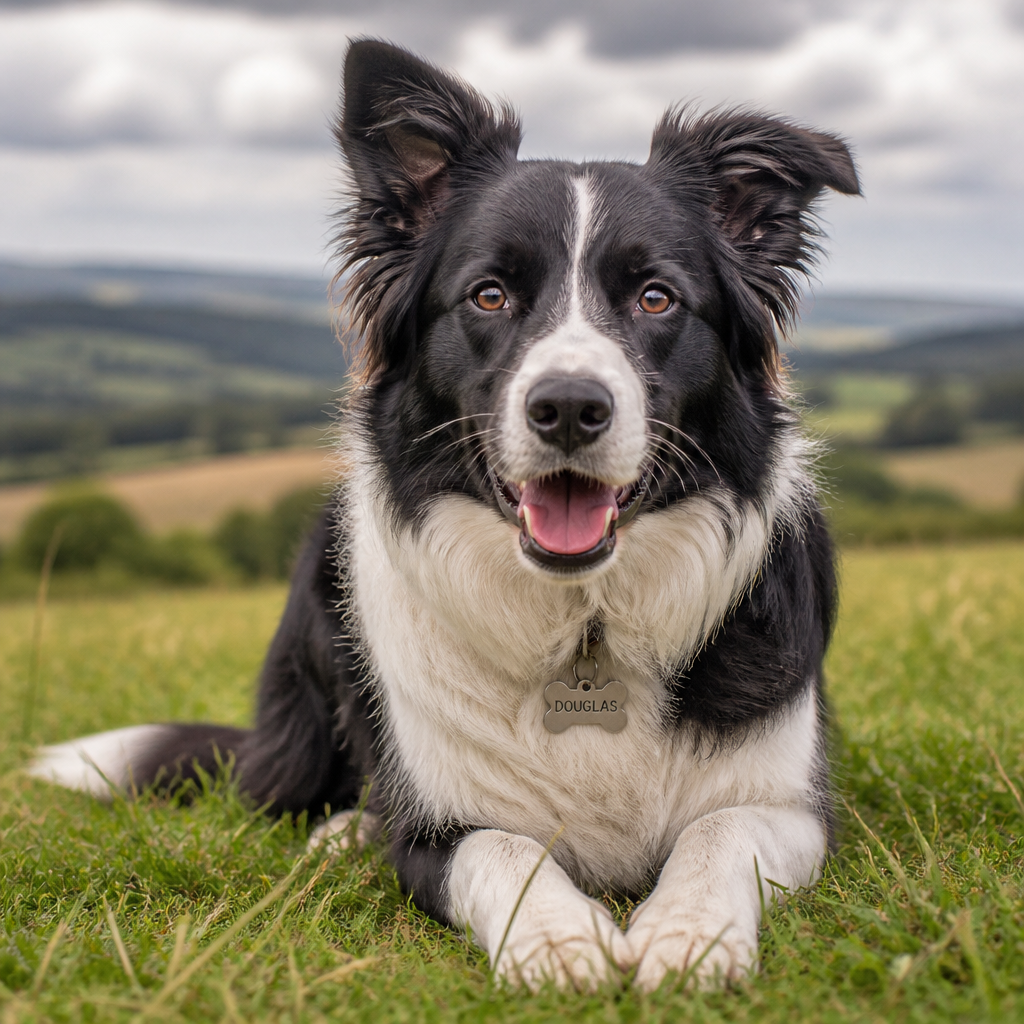
The familiar black border collie is often black and white, with a white blaze on the face, chest, paws and tail tip. Some have broad white markings, while others are mostly black with only small patches of white. Black-and-white may be the image many people picture first, but it is only one of many lovely looks within the breed.
A brown border collie may be called red, chocolate or liver, depending on the exact shade and the terminology used by a kennel club or breeder. These dogs often have warm brown coats paired with white markings, and their noses and eye color may also be lighter than those of black-coated dogs. They are still Border Collies in every meaningful sense, with the same potential for drive, intelligence and affection.
Coat texture varies, too. A short haired border collie, often called a smooth-coated Border Collie, has a shorter, sleeker outer coat than the fuller rough-coated type. Smooth coats can be easier to brush, but they still shed, especially during seasonal coat changes. Weekly brushing is usually helpful, with more frequent grooming when loose undercoat builds up.
Whether a dog is black, brown, rough-coated or smooth-coated, color and coat length do not predict intelligence, energy level or whether the dog will fit a household. Every Border Collie deserves to be chosen for its health, temperament and needs, not simply its appearance.
How Big Do Border Collies Get?
How Big Do Border Collies Get?
Most adult Border Collies are medium-sized dogs with a lean, athletic frame built for speed, stamina and quick turns. Females commonly stand about 18 to 21 inches tall at the shoulder, while males are often around 19 to 22 inches. Healthy adult weights generally range from 30 to 55 pounds, although an individual dog’s build, sex, activity level and breeding can affect where it falls within that range.
Their size can be misleading. A Border Collie may not be as large as some working breeds, but these dogs are remarkably powerful, agile and energetic. They need enough room to move comfortably, yet a huge yard alone is not a substitute for daily exercise, training and attention.
You may see the term mini border collie used in advertisements or online discussions. It is important to know that this is not a universally recognized official Border Collie variety. A dog marketed this way might simply be a naturally smaller Border Collie, but it could also be a mix or a cross bred with a smaller dog. In some cases, unusually small size may be connected to poor breeding choices or health concerns.
Anyone interested in a smaller dog should ask breeders clear questions. Find out the parents’ sizes, whether the puppy is purebred or mixed, what health testing has been completed and how the breeder evaluates temperament. Responsible breeders should be open about a dog’s background and should never promise that tiny size is more important than sound health.
A smaller Border Collie can still have the breed’s famously big energy and sharp mind. Rather than choosing solely for size, look for a dog with a stable temperament, appropriate health screening and an ethical start in life.
The Border Collie Personality: Brilliant and Busy
The Border Collie Personality: Brilliant and Busy
Border Collies are known for noticing everything. They often watch their people closely, pick up on routines quickly and seem ready to respond before they are even asked. This attentiveness, combined with an eagerness to learn, can make them wonderfully rewarding companions for people who enjoy training and spending time with their dog.
Their intelligence is not just about learning commands. A Border Collie usually wants a job, a challenge or a shared activity that gives its busy mind somewhere to go. A long walk or energetic game of fetch is helpful, but physical exercise alone may not satisfy this breed. Training short new skills, finding treats in a scent game, working through puzzle toys or practicing obedience can all provide valuable mental stimulation.
Without enough activity and guidance, a clever Border Collie may invent its own entertainment. Common signs of boredom include frequent barking, chewing, digging or chasing cars, bicycles and runners. Their strong herding instinct can also lead some dogs to circle, stare at or nip at the heels of children, cats or other pets. These behaviors are not signs of a bad dog, but they do show why clear boundaries and appropriate outlets matter.
Early socialization helps Border Collies grow into confident adults. Calm, positive exposure to different people, friendly dogs, sounds, places and everyday situations can prevent worryfulness or overreaction later on. Positive, reward-based training builds trust and teaches the dog what to do instead of simply correcting unwanted behavior.
With patient guidance, regular challenges and close involvement in family life, a Border Collie can be affectionate, responsive and remarkably in tune with the people it loves.
Exercise, Training and Everyday Care
Exercise, Training and Everyday Care
A Border Collie needs far more than a quick trip around the block. Most thrive with substantial daily activity that combines physical exercise, training and time with their people. Long walks, safe off-leash running in appropriate areas, fetch, tug games and structured play can all help burn energy. Many also shine in dog sports, where they can use their speed, coordination and focus.
Mental exercise matters just as much. Short, enjoyable training sessions throughout the day can be more satisfying than one long session. Obedience practice, agility, scent work, trick training and puzzle toys give these bright dogs a productive outlet for their problem-solving skills. Herding trials can be especially rewarding for dogs with access to them, since they draw on the breed’s natural instincts in a controlled setting.
Grooming is usually straightforward, but it should be consistent. Both rough-coated and smooth-coated Border Collies benefit from weekly brushing to remove loose hair, dirt and small tangles. During spring and fall shedding seasons, more frequent brushing helps keep the coat and home manageable. Check ears regularly, trim nails when needed and inspect the coat for ticks or skin irritation after outdoor adventures.
Everyday care also includes balanced, high-quality nutrition suited to the dog’s age, size and activity level. Fresh water should always be available, especially after exercise. Regular dental care, including tooth brushing or veterinarian-approved dental products, supports long-term health. Routine veterinary visits, vaccinations, parasite prevention and discussions about breed-related health screening are essential parts of responsible ownership.
With enough movement, meaningful training and dependable care, a Border Collie is more likely to be calm, healthy and happy at home.
Is a Border Collie Right for Your Home?
Is a Border Collie Right for Your Home?
A Border Collie can be an extraordinary companion, but this breed is happiest in a home where it has a real role to play. That role does not have to involve sheep, although many still excel at herding. It can be learning new skills, joining a family on long walks, practicing agility, helping with farm chores or taking part in regular training games. What matters most is purpose, consistency and daily interaction with their people.
These dogs often suit active households, experienced dog owners, farmers and anyone who enjoys training-based hobbies. A person who likes hiking, running, dog sports, obedience work or teaching tricks may find that a Border Collie is an enthusiastic partner. Their quick minds and strong desire to work closely with people can make training especially rewarding.
However, a Border Collie is not the best match for every lifestyle. Long periods alone, a very sedentary routine or little interest in ongoing training can leave this intelligent breed frustrated. Without enough physical exercise and mental engagement, some dogs may bark excessively, chew, chase cars or bicycles, or try to herd children and other pets. A large yard can be helpful, but it is not a substitute for supervised activity and meaningful attention.
It is also important to remember that individual personalities vary. A douglas border collie known online, in a local community or among friends may show off the breed’s clever, affectionate nature, but no two dogs are exactly alike. Age, early experiences, genetics and training all shape behavior.
Before bringing one home, honestly consider your schedule, energy level and willingness to train for life. For the right household, a Border Collie’s devotion, intelligence and joyful enthusiasm are hard to match.
Living Happily With a Border Collie
A Border Collie can be an extraordinary companion, bringing loyalty, humor and an impressive willingness to work alongside the people they love. When their need for exercise, training and mental stimulation is met, these dogs often thrive as devoted family members. They enjoy being included in everyday life, whether that means joining a hike, practicing new tricks, helping on a farm or simply settling down after a satisfying day of activity.
A happy life with this breed starts long before bringing a puppy or adult dog home. Choose a responsible breeder or rescue organization that prioritizes health, sound temperament and appropriate early care. Prepare your home with safe spaces, durable toys and a realistic plan for daily walks, play and training. Border Collies are not dogs that outgrow their need for engagement. Their brains stay active throughout life, so regular learning and shared routines remain important as they mature.
Consistency makes a meaningful difference. Positive, reward-based training helps build trust and gives this sensitive, observant breed clear guidance. Early socialization, patient boundaries and opportunities to use natural instincts in healthy ways can prevent many common behavior challenges. Regular grooming, quality food, veterinary care and attention to dental health also support a long, comfortable life.
The key takeaway is simple: a Border Collie is happiest with people who are ready to give them purpose, patience and partnership. In return, they can become a remarkably loving, capable and unforgettable part of the family.