Shiba Inu Dogs: A Friendly Guide to Their Personality, Care and Costs
Discover the Shiba Inu’s bold personality, care needs, grooming, training and ownership costs to decide whether this lively Japanese breed suits you.
Meet the Shiba Inu: Japan’s Bright-Eyed Companion
Meet the Shiba Inu: Japan’s Bright-Eyed Companion
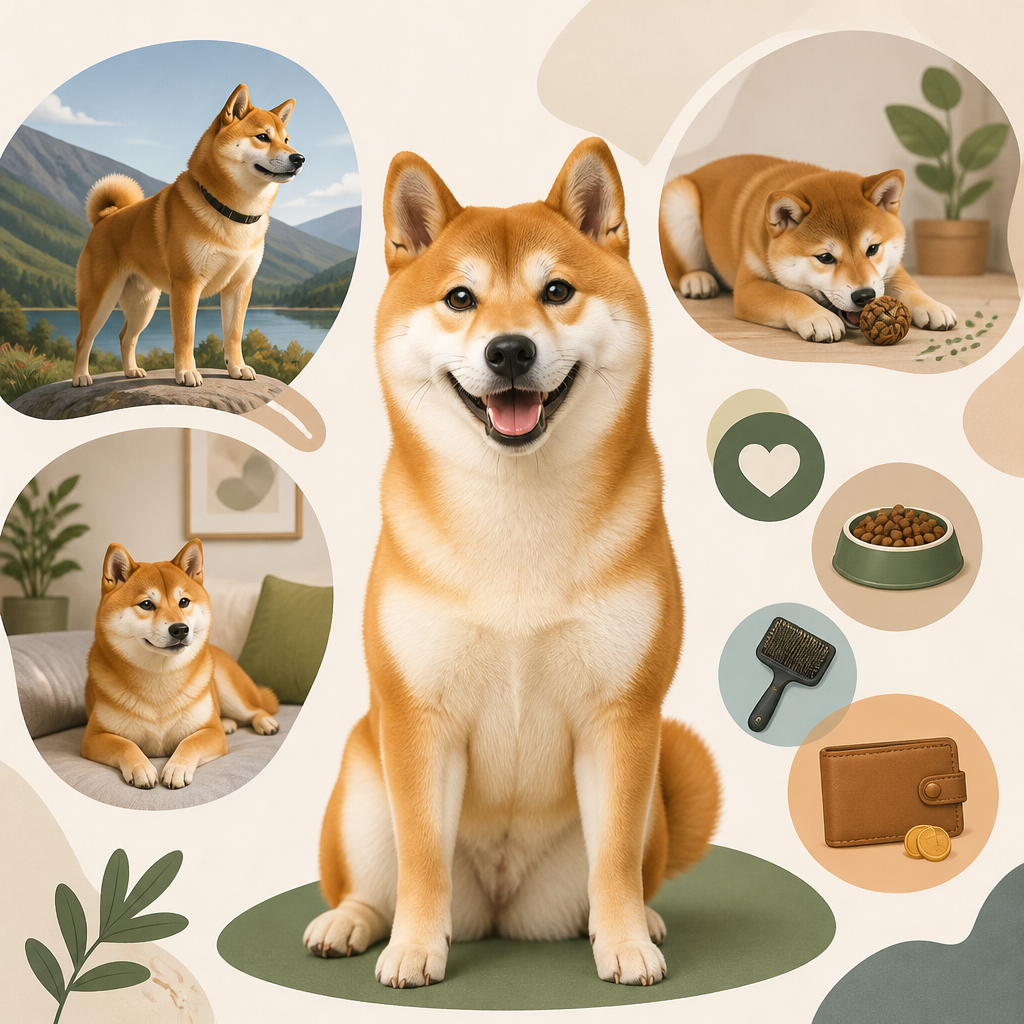
With its pointed ears, curled tail and fox-like grin, the Shiba Inu has a way of turning heads wherever it goes. This compact Japanese breed may look like a living plush toy, but there is far more to a Shiba than its charming face. Bright, confident and full of character, the Shiba Inu is a small dog with a remarkably big presence.
Originating in Japan, the Shiba Inu was developed as a hardy, alert companion suited to the country’s rugged landscapes. Today, it is loved far beyond its homeland. Families, single owners and dog enthusiasts around the world are drawn to its striking appearance, tidy habits and unmistakable personality. A typical shiba inu dog size also makes the breed appealing for many homes: it is sturdy and active without taking up the space of a large dog.
Still, this is not simply an adorable dog to admire from afar. Shibas can be deeply loyal to their people, playful with those they trust and surprisingly funny in their everyday habits. At the same time, they are famously independent. Many prefer affection on their own schedule, and they may not be the endlessly eager-to-please companion some first-time dog owners expect.
A Shiba Inu needs patient guidance, safe exercise and an owner who appreciates a little stubbornness along with plenty of spirit. They are energetic, alert and often curious about everything around them. For the right person, that bold, self-assured nature is part of the appeal. A well-understood Shiba can become a devoted, entertaining companion with a personality that is impossible to forget.
A Brief History of the Shiba Inu Dog
A Brief History of the Shiba Inu Dog
The Shiba Inu is one of Japan’s oldest native dog breeds, with roots that reach back centuries. Developed in Japan’s rugged, mountainous regions, these compact dogs were valued for their agility, sharp senses and ability to move through thick brush. Their original job was to help hunters flush out small game, including birds and rabbits, and they were also capable of pursuing larger quarry when needed.
The breed’s name is often linked to the Japanese word for brushwood, a fitting reference to the dense terrain where Shibas worked. Their small frame made them well suited to the hills and narrow spaces of the countryside, while their keen awareness helped them notice movement, sounds and unfamiliar animals quickly.
Like many dog breeds, the Shiba Inu faced a difficult period during World War II. Bombing, food shortages and outbreaks of canine distemper greatly reduced the population, and the breed came close to disappearing. After the war, dedicated Japanese breeders worked to preserve the remaining dogs from several regional bloodlines. Their careful breeding efforts helped rebuild the Shiba Inu population and protect the distinct traits that make the breed recognizable today.
That working history still shows in the modern Shiba. Many are highly alert, confident and ready to investigate anything unusual in their environment. Their hunting background also helps explain the breed’s strong prey drive. A squirrel, bird or running cat may be far more interesting than a recall cue, even for a well-trained dog. This is why secure fences, sturdy leashes and attentive supervision matter so much.
The Shiba Inu may now be a beloved household companion around the world, but beneath the curled tail and fox-like face is a clever little hunting dog with a remarkably resilient history.
Shiba Inu Dog Size, Appearance and Coat Colors
Shiba Inu Dog Size, Appearance and Coat Colors
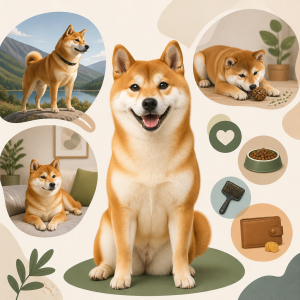
The Shiba Inu is a small but sturdy dog, built for agility rather than fragility. Typical shiba inu dog size falls between about 13.5 and 16.5 inches at the shoulder, with most adults weighing roughly 17 to 23 pounds. Males are usually a little larger than females, but both have a compact, well-balanced shape that makes them feel surprisingly solid for their size.
Their appearance is one reason so many people are drawn to the breed. Shibas have pointed, upright ears, dark almond-shaped eyes and a bright, alert expression that is often described as fox-like. Their bodies are muscular and neatly proportioned, with a deep chest and strong legs suited to quick movement. The thick tail curls confidently over the back, adding to the breed’s distinctive silhouette.
A Shiba’s double coat is straight, dense and plush, with a softer undercoat beneath a stiffer outer layer. Red is the best-known color, ranging from rich orange-red to a lighter rusty shade. Other accepted colors include sesame, which combines red hairs with black tipping, and cream. A shiba inu dog black and tan is also striking, with black fur, tan points and contrasting pale markings.
Those pale markings are called urajiro, an important feature in the breed. Urajiro refers to creamy white or light-colored fur found on the sides of the muzzle, cheeks, throat, chest, belly, underside of the tail and parts of the legs. These markings help create the Shiba’s expressive, almost smiling face, regardless of coat color.
Understanding the Shiba Inu Personality
Understanding the Shiba Inu Personality
A Shiba Inu may be small, but this breed has a confident, memorable personality. Shibas are bright, alert and bold, often carrying themselves with the self-assurance of a much larger dog. They learn quickly and can be very observant, noticing changes in routines, visitors at the door and anything interesting moving outdoors.
People often compare Shibas to cats, and the comparison is easy to understand. Many are exceptionally clean, dislike dirty paws and spend time grooming themselves. They also tend to value their independence. A Shiba may happily stay near its favorite person, follow them from room to room or greet them enthusiastically after work, yet still prefer to decide when it wants petting or a lap nap.
This does not mean Shibas are cold or unfriendly. With trusted people, they can be playful, devoted and wonderfully entertaining companions. Their affection is simply often subtle and given on their own terms. Families should teach children to respect a Shiba’s space, especially during meals, rest and handling.
Prospective owners should also be ready for the breed’s determined side. Shibas can be vocal when displeased, producing anything from grumbles and yips to the famous high-pitched “Shiba scream” during unwanted baths, nail trims or restraint. They are also clever escape artists, so closed doors, secure fencing and careful leash handling matter.
A Shiba may be reserved or territorial around unfamiliar people and dogs without early socialization. Its hunting background also remains strong, and many will instinctively chase squirrels, cats, birds or other small animals. Calm introductions, consistent boundaries and close supervision help this spirited breed thrive.
Training, Socialization and Exercise Needs
Training, Socialization and Exercise Needs
Training a Shiba Inu calls for patience, consistency and a sense of humor. These dogs are bright and capable learners, but they are also independent thinkers. Rather than repeating a command simply to please someone, a Shiba may decide whether the reward seems worthwhile. Start training early, keep lessons short and upbeat, and use reward-based methods such as treats, toys, praise and access to a favorite activity.
Clear household rules matter. Decide from the beginning whether the dog may get on furniture, where it sleeps and how it should greet visitors, then make sure everyone in the home follows the same expectations. Harsh corrections can damage trust or encourage resistance, while calm, predictable guidance helps a Shiba understand what earns rewards.
Early socialization is equally important. Gradually introduce a puppy to friendly people, well-mannered dogs, everyday sounds, car rides, grooming, veterinary handling and new places. Keep experiences positive and never force interaction. Adult rescue dogs can benefit from socialization too, although progress may need to be slower and more carefully managed.
Reliable recall is often challenging with this breed. A squirrel, bird or interesting scent can quickly become more appealing than a person calling from across the park. Even a well-trained Shiba should usually stay on a leash outside a securely enclosed area. Check fences carefully for gaps, weak spots and opportunities to climb or dig underneath.
Most adult Shibas do well with daily brisk walks, active play and mental challenges. Scent games, food puzzles, hide-and-seek and short training sessions help prevent boredom. Exercise does not need to be extreme, but a Shiba without enough physical activity and mental engagement may create its own entertainment, often in ways its owner would rather avoid.
Daily Care: Food, Grooming and Health
Daily Care: Food, Grooming and Health
A Shiba Inu thrives on a balanced, age-appropriate dog food that matches its activity level and overall health. Puppies need food formulated for growth, while adults usually do best with a complete maintenance diet. Senior Shibas may benefit from diets adjusted for changing energy needs or joint support, but any major food change is best discussed with a veterinarian.
Portion control matters because this compact breed can gain weight more easily than owners expect. Measure meals rather than free-feeding, count treats as part of the daily intake and adjust portions if your dog’s body condition changes. You should be able to feel, but not prominently see, the ribs beneath a light covering of fat. Fresh water should always be available.
Shibas are famously clean dogs, but their grooming needs should not be underestimated. Their thick double coat sheds year-round and sheds dramatically during seasonal “coat blows,” often in spring and fall. Brushing once or twice weekly can keep loose fur under control, while daily brushing during heavy shedding periods makes a noticeable difference. A slicker brush, undercoat rake or deshedding comb can be useful when used gently. Baths are usually needed only occasionally, unless your Shiba gets into something messy. Regular nail trims, tooth brushing and ear checks are also important parts of routine care.
Before bringing home a puppy or adult dog, discuss health history with both a veterinarian and responsible breeder. Potential concerns include patellar luxation, in which the kneecap slips out of place, hip problems, allergies and eye conditions such as glaucoma or progressive retinal atrophy. Reputable breeders use appropriate genetic screening and health tests for their breeding dogs, helping families make a more informed choice.
Finding a Shiba Inu: Breeders, Rescues and Costs
Finding a Shiba Inu: Breeders, Rescues and Costs
Taking time to find the right source is just as important as choosing the right breed. When researching shiba inu dog breeders, look for people who put their dogs’ health, temperament and long-term welfare ahead of quick sales. A responsible breeder should be happy to answer questions, share veterinary and health-testing records, explain how puppies are raised and discuss whether a Shiba suits your household.
If possible, visit in person. The dogs should appear clean, alert and comfortable in their environment, and you should be able to meet at least the mother, and sometimes both parent dogs. Ask about screening for concerns such as patellar luxation, hip issues and inherited eye conditions. Be cautious of sellers who will not provide documentation, always have puppies immediately available, offer to ship without asking questions or pressure you to send money quickly.
Adoption can be a wonderful alternative. Breed-specific rescue groups occasionally have adult Shibas, young dogs and mixes looking for homes, while local animal shelters may also receive them from time to time. Rescue staff can often share useful information about a dog’s behavior, activity level and needs in a home. Adult dogs may already have some training, although they can also need patience as they settle in.
The shiba inu dog adoption price is usually lower than buying a puppy from a reputable breeder, and rescue fees often include vaccinations, spaying or neutering and basic veterinary care. Still, the initial fee is only one part of ownership. Plan for a crate, secure harness, leash, food, grooming tools, training classes, routine veterinary visits, parasite prevention and pet insurance or emergency savings. A Shiba can live for many years, so a realistic budget helps ensure that its care stays consistent throughout its life.
Is a Shiba Inu the Right Dog for You?
Is a Shiba Inu the Right Dog for You?
A Shiba Inu can be an exceptional companion for the right person. These dogs are full of charm, intelligence and confidence, with a striking fox-like appearance that draws attention wherever they go. Their naturally clean habits, compact build and loyal nature also make them appealing to many households. While a Shiba may not be a constant lap dog, it often forms a deep bond with its people and shows affection in its own memorable, spirited way.
Still, it is important to look beyond the cute face. Shibas are independent thinkers, and they can test boundaries if training is inconsistent. They need patient, reward-based guidance from an early age, along with regular socialization and clear household rules. A first-time owner can succeed with this breed, but should be ready to learn, stay consistent and accept that a Shiba may never have flawless off-leash recall.
Consider your daily routine before bringing one home. Can you provide brisk walks, play, mental challenges and companionship every day? Do you have secure fencing, or are you prepared to use a leash and harness reliably outdoors? A Shiba’s prey drive and escape skills mean safety cannot be an afterthought, especially around small animals, open doors and unfenced spaces.
The best match is someone who appreciates a dog with a strong personality rather than expecting instant obedience or nonstop cuddles. With thoughtful care, training, secure exercise and respect for its independent nature, a Shiba Inu can be a devoted, entertaining and wonderfully memorable companion for many years.