Japanese Chin: A Charming Guide to This Elegant Little Companion
Discover the Japanese Chin’s elegant looks, cat-like charm, care needs and affectionate nature to see whether this tiny companion suits your home.
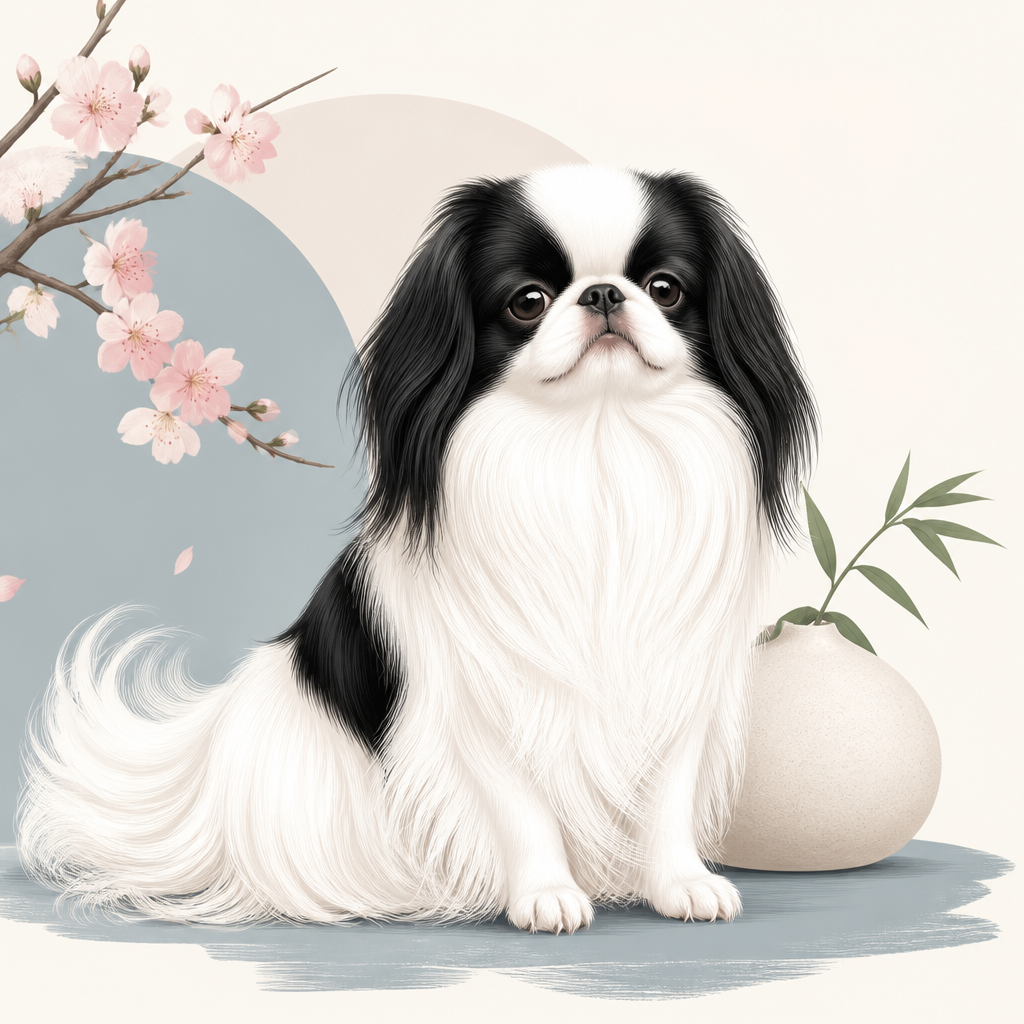
Meet the Japanese Chin
Meet the Japanese Chin
With its wide, expressive eyes, silky coat and delightfully quirky manners, the Japanese Chin has a way of making an ordinary day feel more entertaining. This tiny companion dog is elegant enough to look at home on a velvet cushion, yet playful enough to climb onto the back of the sofa, bat at a toy with its paws or perch in a sunny window like a cat.
Japanese Chins are small, graceful dogs bred first and foremost to be close companions. They are often affectionate, gentle and deeply attached to their favorite people. Their calm indoor nature can make them appealing to apartment dwellers and anyone looking for a loving lapdog with a spirited, amusing personality.
Despite its name, the breed’s story stretches across the royal courts of Asia. Small spaniel-like dogs were cherished by Chinese and Japanese nobility for centuries, exchanged as treasured gifts and kept as companions rather than working animals. Over time, the Japanese Chin found its way into homes around the world, where its refined appearance and devoted nature earned it a lasting place as a household pet.
Of course, this charming breed is not simply a pretty face. A Japanese Chin’s sensitive temperament, grooming needs and flat-faced anatomy all deserve thoughtful consideration. In the sections ahead, you will learn more about the breed’s personality, everyday exercise and coat care, training approach and common health considerations. You will also find guidance on researching Japanese Chin puppies, speaking with responsible Japanese Chin breeders and exploring Japanese Chin rescue options.
By the end, you should have a clearer picture of whether this affectionate little dog would be a comfortable, happy fit for your home and lifestyle.
A Brief History of the Japanese Chin
A Brief History of the Japanese Chin
Despite its name, the Japanese Chin’s earliest origins are closely tied to China and the royal courts of East Asia. Small companion dogs resembling today’s Chin were cherished by Chinese nobility, valued not for hunting, guarding or other work, but simply for their beauty, warmth and engaging personalities. They were often treated as precious indoor companions, living closely with the people who cared for them.
Over time, these little dogs made their way to Japan, likely through diplomatic exchanges and gifts between Chinese and Japanese courts. In Japan, they became especially associated with aristocratic households and the imperial court. Their small size, expressive faces and graceful manner suited palace life beautifully. Rather than being considered ordinary dogs, they were sometimes regarded as special lap companions, bred to be elegant, gentle and devoted.
Japanese Chin were also exchanged as highly valued gifts among royal and influential households. This helped spread the breed beyond Japan. During the nineteenth century, visiting merchants and naval officers introduced them to Europe and North America, where their unusual appearance and affectionate nature quickly attracted admirers. They became fashionable companions among Western families who appreciated small, refined dogs.
That courtly history still shows in the modern Japanese Chin. Their silky coat, dainty movement and calm indoor manners give them a distinctly elegant presence. Yet they are far from formal or distant. A Chin is usually happiest curled up beside its favorite person, offering affection, comic expressions and the occasional playful burst of energy. Their lasting appeal comes from this lovely balance: a dog with a regal past and the warm-hearted nature of a devoted family companion.
Japanese Chin Appearance and Size
Japanese Chin Appearance and Size
The Japanese Chin is a tiny dog with an unmistakably elegant look. Most weigh around 7 to 11 pounds, making them easy to carry, comfortably suited to apartment living and delicate enough to need gentle handling. Although small, they often carry themselves with remarkable confidence, as if they are fully aware of their royal history.
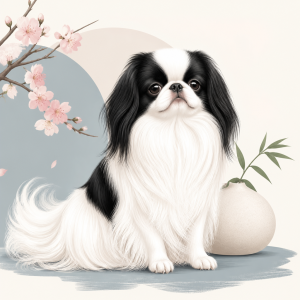
Their face is one of the breed’s most memorable features. Japanese Chins have a broad, rounded head, large dark eyes and a short muzzle that gives them a sweet, expressive appearance. Their eyes can seem almost human in their ability to communicate curiosity, amusement or a request for attention. Long, feathered ears frame the face, while the plumed tail is typically carried over the back.
Their single coat is silky, straight and soft, with longer feathering around the ears, neck, legs and tail. Common colors include black and white, red and white, and sable and white. The clear contrast of their markings adds to their polished, distinctive appearance.
Despite looking luxurious, the Japanese Chin coat does not need elaborate clipping or professional styling. Brushing several times each week is usually enough to remove loose hair and prevent tangles, especially in the feathering. A quick check after walks or play can help catch knots before they become uncomfortable.
Japanese Chins move with a light, stylish step that suits their refined appearance. They also have a delightfully cat-like side: many enjoy perching on the back of a sofa, climbing onto furniture or using their paws to bat at toys and investigate objects. These amusing habits, combined with their graceful looks, make the Japanese Chin feel like a very special little companion.
Temperament: Affectionate, Gentle and Playful
Temperament: Affectionate, Gentle and Playful
The Japanese Chin is often described as a loving little companion with a big personality. These dogs tend to form deep attachments to their favorite people and are happiest when they can stay close, whether that means following someone from room to room or curling up beside them on the sofa. They are intelligent, alert and highly aware of the moods around them, which gives them an especially sensitive, almost intuitive nature.
Although they are elegant lapdogs at heart, Japanese Chins also have a playful, humorous side. A short indoor game, a favorite toy or an invitation to chase can bring out cheerful bursts of energy. Their cat-like habits often add to the entertainment, from batting at objects with their paws to choosing a high perch where they can observe the household. Once playtime is over, most are more than ready to settle in for a cuddle or a peaceful nap.
Many Japanese Chins are polite with visitors and can live well with other pets, particularly when introductions are calm and respectful. Early socialization is still important. Positive experiences with friendly people, gentle dogs and everyday sights and sounds can help a Chin grow into a confident adult rather than a shy one.
This breed responds best to kindness. Harsh corrections, raised voices and overly demanding training can make a sensitive Japanese Chin anxious or withdrawn. They may also struggle in very loud, chaotic homes or when left alone for long stretches. Short, cheerful training sessions, predictable routines and plenty of companionship help this gentle dog feel secure. For the right household, the Japanese Chin offers a lovely blend of affection, playfulness and quiet devotion.
Daily Care, Exercise and Grooming
Daily Care, Exercise and Grooming
Japanese Chins have modest exercise needs, which is one reason they fit so well into apartment living and smaller homes. A couple of short, gentle walks each day, along with indoor play, is usually enough to keep them content. They often enjoy games that engage their bright minds, such as finding a treat, learning a simple trick or chasing a soft toy down a hallway. Because they are small and can be surprisingly agile, provide safe, supervised chances to explore without letting them climb or jump from high furniture.
More than intense activity, this breed needs regular attention and a dependable routine. Japanese Chins are happiest when they can spend time near their people, whether that means curling up beside you while you work or joining in a brief play session. Long periods of isolation can be difficult for such a companion-focused dog.
Their silky coat looks elaborate, but it does not usually need clipping or complicated styling. Brush your Chin several times a week to remove loose hair and prevent tangles, paying close attention to the feathering on the ears, legs, chest and tail. Bathe as needed, using a gentle dog shampoo, and check the coat after walks or playtime for knots and debris.
Routine hygiene matters, too. Their large, prominent eyes and short facial structure mean the eye area and any facial folds should be kept clean and dry. Brush teeth regularly to help manage the dental crowding common in small breeds, and trim nails before they become too long.
Feed measured, balanced meals suited to your dog’s age and activity level, and avoid excess treats. Finally, take special care in warm weather. Their short muzzle can make cooling themselves harder, so choose cool times for walks, offer fresh water and avoid strenuous activity in heat or humidity.
Training and Health Considerations
Training and Health Considerations
Japanese Chins respond best to gentle, positive training. They are bright and eager to please, but their sensitive nature means harsh corrections or frustrated voices can make them anxious or less willing to participate. Keep lessons short, cheerful and rewarding, using tiny treats, praise or a favorite toy to reinforce good choices.
Start with house training, simple cues such as sit, come and leave it, and polite manners around people. Consistent routines are especially helpful for a small companion dog. Frequent outdoor breaks, praise for toileting in the right place and patient supervision can make house training smoother. Early socialization also matters: introduce your Chin gradually to friendly people, calm dogs, household sounds and new places so they can develop safe, confident social behavior.
Like many purebred dogs, Japanese Chins can be susceptible to certain health concerns. These may include luxating patellas, where the kneecap slips out of place, heart conditions, eye problems and dental crowding. Their flat-faced, short-muzzled structure can also contribute to breathing difficulties, particularly during hot weather or vigorous activity. Watch for signs such as persistent coughing, exercise intolerance, noisy breathing, squinting or eye irritation, and contact a veterinarian promptly if you notice them.
Regular veterinary checkups, preventive dental care and keeping your dog at a healthy weight are practical ways to support lifelong comfort. Extra pounds can put more strain on small joints and make breathing harder.
If you are considering a puppy, ask the breeder about health testing, veterinary records and any health history in the parents and close relatives. A responsible breeder should be open about breed-related risks and happy to answer questions. Every dog is an individual, so discuss the Japanese Chin’s specific needs with both your veterinarian and breeder before bringing one home.
Finding Japanese Chin Puppies, Breeders and Rescue Dogs
Finding Japanese Chin Puppies, Breeders and Rescue Dogs
Finding the right Japanese Chin takes a little patience, but careful research can help you welcome home a healthy, well-socialized companion. If you are looking for Japanese Chin puppies, start by learning about the breed’s needs and contacting sources that are happy to have an open conversation, not simply make a quick sale.
Whenever possible, visit the breeder in person. You should be able to see where the dogs live, meet the puppy’s mother and, if available, the father, and observe whether the puppies seem clean, curious, and comfortable around people. Ask for veterinary records and details of health testing, particularly for concerns that can affect the breed, such as patellar, eye, heart, and breathing issues. A breeder should also explain the puppy’s early socialization, feeding routine, and vaccination schedule.
Reputable japanese chin breeders welcome thoughtful questions. They typically provide a written contract, clear health information, and continued support after the puppy goes home. They breed with health and temperament in mind, rather than always having puppies immediately available. Be prepared for a waitlist, as this can be a sign that a breeder plans litters responsibly.
Adoption is another wonderful path. Japanese chin rescue groups, breed-specific organizations, and local shelters may have adult dogs, seniors, or occasionally puppies in need of loving homes. Rescue staff can often share useful information about a dog’s personality, medical needs, and ideal household.
Avoid puppy mills, pet stores with unclear sourcing, and online sellers who cannot verify their location or provide records. Never feel pressured to send money quickly or accept a puppy without reliable information. A responsible source will want to ensure that you are the right match, too.
Is a Japanese Chin Right for You?
Is a Japanese Chin Right for You?
A Japanese Chin can be a wonderful choice for someone who wants a small, affectionate dog with a playful sense of humor and a strong desire to be near their people. These elegant companions are often happiest indoors, sharing a lap, following a favorite person from room to room, or entertaining the household with their expressive faces and cat-like antics.
The breed may suit singles, couples, retirees, and families with older, considerate children. Because they are small and somewhat delicate, Japanese Chins are usually a better fit for homes where everyone understands how to handle a little dog gently. They can live comfortably in apartments and smaller spaces, provided they receive daily attention, short walks, indoor play, and opportunities to feel included in family life.
Before committing, consider the practical side of ownership. Their silky coat needs regular brushing, and their eyes, teeth, and nails need routine care. Like any dog, they also require a budget for quality food, preventive veterinary visits, and possible treatment for breed-related health concerns. A Japanese Chin is not likely to enjoy being left alone for long workdays on a regular basis, and its short muzzle means extra care is essential during warm or humid weather.
If you can offer a calm home, gentle training, companionship, and plenty of affection, this little dog may be an especially rewarding match. The clear takeaway is simple: a Japanese Chin thrives with attentive, kind owners, and in the right home, this charming companion can bring years of warmth, laughter, and devoted friendship.