Maltese Dogs: The Little White Companion With a Big Place in History 2005
Discover the Maltese, a tiny white companion with ancient roots, a bold heart, grooming needs, and tips for living happily with cats at home.
Bichon Maltais, Maltese Spaniel, Maltese Terrier
Meet the Maltese: A Tiny Dog With a Timeless Appeal
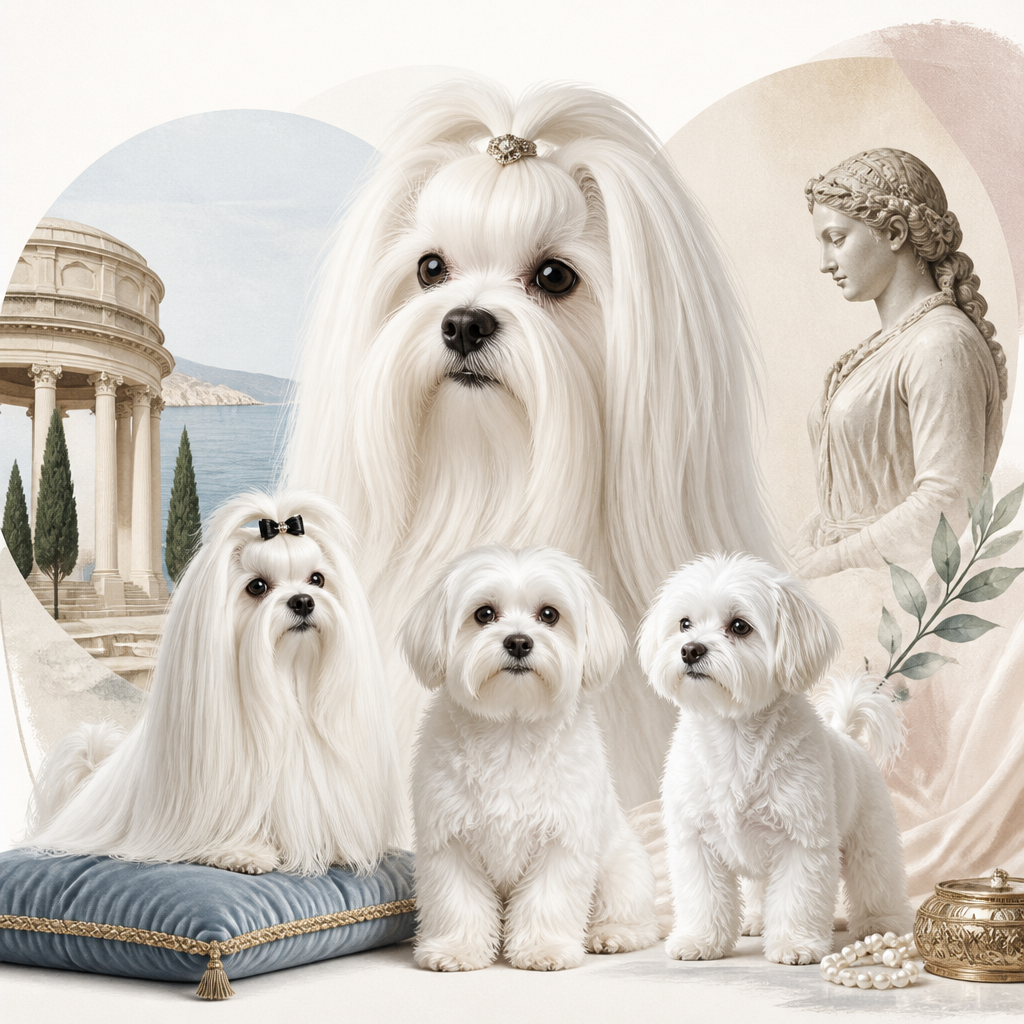
Maltese dogs : A Maltese may be small enough to curl up in a lap, but this bright little dog has spent centuries making a big impression. With its dark, expressive eyes, silky white coat, and cheerful devotion to its favorite people, the Maltese is one of the classic companion dogs. It has also been known by several historical names, including the Bichon Maltais, Maltese Spaniel, and Maltese Terrier, though it is neither a spaniel nor a terrier in the modern sense.
Today’s Maltese is best recognized for its elegant, flowing white hair, which can give the breed a rather regal appearance. Beneath that glamorous coat, however, is often a playful, alert, and deeply affectionate dog. Many Maltese enjoy following their people from room to room, joining in household routines, and claiming a cozy spot nearby when the day winds down.
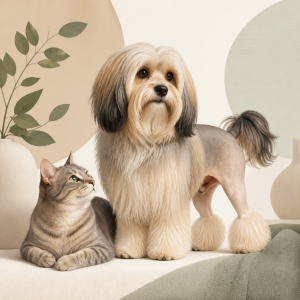
For cat-loving households, a Maltese can be a charming addition to a multi-pet home. Their companion-focused nature and petite size can make them less intimidating than some larger, more boisterous dogs. Still, a peaceful dog-and-cat relationship is never guaranteed by breed alone. The personalities of both animals, a slow and positive introduction, and thoughtful supervision all make a real difference.
This tiny white dog also comes with a surprisingly rich story, along with practical needs that deserve careful consideration. From its ancient history and affectionate temperament to coat care, training, health, and safe introductions with resident cats, there is plenty to know before welcoming a Maltese home.
A Long History as a Companion Dog
A Long History as a Companion Dog
The Maltese has roots in the Mediterranean world that reach back more than 2,000 years. Small white dogs resembling today’s Maltese appeared in ancient art and writing, and they were treasured by people who wanted a close, portable, affectionate companion. Despite the breed’s name, its precise early origins are still debated. Malta is strongly tied to the breed’s identity, but historians have also connected its ancestors with other parts of the Mediterranean region.
Like the other small, toy breeds, the Maltese has always led the simple life as a companion. It was not developed to herd livestock, guard estates, or hunt game. Its most important job was to be near its people, offering warmth, comfort, and cheerful company. That role made the breed especially popular in wealthy households, where tiny dogs were often regarded as status symbols as well as beloved pets.
In earlier centuries it was also used as a bed warmer by royalty and the upper class. While that detail may sound unusual today, it reflects the Maltese’s long-standing place at the side of influential families. Of course, a modern dog should never be treated as a warming accessory. Pets need safe sleeping spaces, veterinary care, exercise, and the freedom to move away when they choose. Still, this historical custom shows just how highly people valued the Maltese’s warmth and companionship.
Across centuries, the breed’s purpose has remained remarkably consistent. Whether living in a grand household or a modern apartment, the Maltese is at its happiest when it is included in daily life, sharing quiet moments, playtime, and plenty of attention with the people it loves.
What Does a Maltese Look Like?
The Maltese dog is characterized by a playful, highly affectionate, intelligent, and well-balanced temperament. Despite its small size, it possesses a bold personality and a strong presence, making it one of the best companion dogs for families.
What Does a Maltese Look Like?
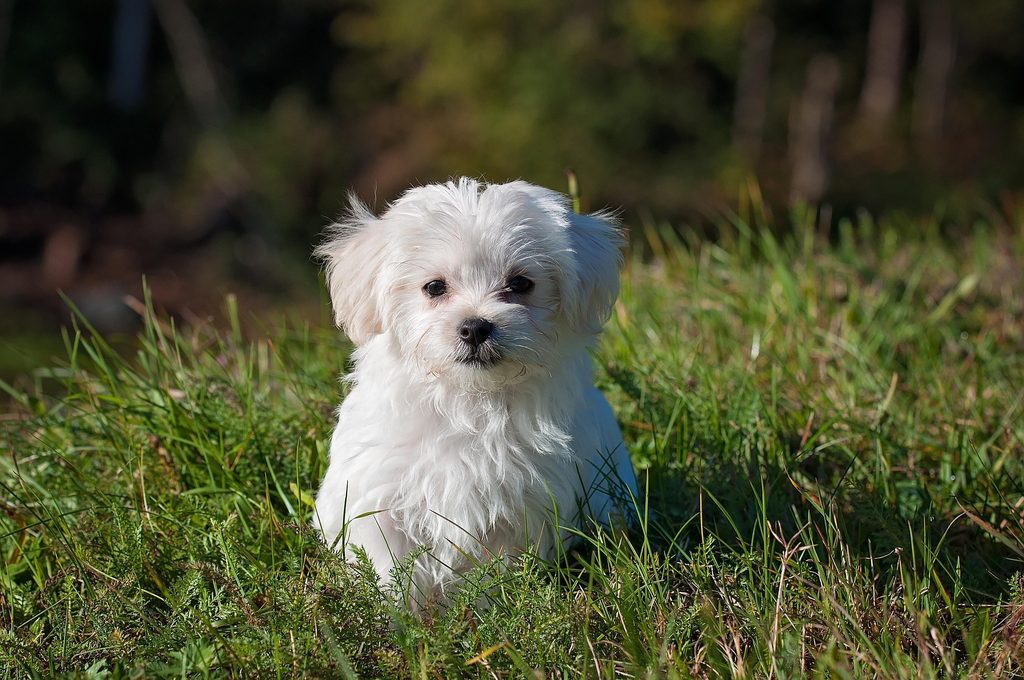
A Maltese may be tiny, typically weighing about 4 to 7 pounds, but it has an unmistakably elegant presence. The breed has a compact body, fine-boned appearance, dark and expressive eyes, and a black button nose that stands out against its bright coat. Its face often has an alert, sweet expression that makes it easy to see why the breed has charmed companion-dog lovers for so long.
The feature most people notice first is the coat. A show-style Maltese wears a long, straight, silky single coat that can reach the floor when carefully grown and groomed. Unlike many double-coated dogs, the Maltese has no thick insulating undercoat. That gives its hair a soft, flowing look, rather like a tiny dog-sized version of a glamorous show cat.
White is now the familiar and accepted color for the breed. Still, the Maltese was not always known only for snowy coats. Although only solid white Maltese are bred today coats with markings and even parti-colored were once popular. That history is a useful reminder that breed fashions and standards can change over time.
Maltese dogs tend to shed relatively little compared with many breeds, which can be appealing in homes where fur on the furniture is a concern. However, low shedding does not mean low maintenance, and it does not automatically make a dog hypoallergenic. Dander, saliva, and skin proteins can still trigger allergies.
A long-coated Maltese needs frequent brushing and gentle combing to prevent tangles and mats, especially around the ears, legs, and collar area. Owners who prefer an easier routine can choose a shorter trim, often called a puppy clip. Either way, this little dog’s beautiful coat needs regular care to stay clean, comfortable, and ready for admiration.
Temperament: Affectionate, Bright, and Sometimes Bold
The Maltese dog is characterized by a playful, highly affectionate, intelligent, and well-balanced temperament. Despite its small size, it possesses a bold personality and a strong presence, making it one of the best companion dogs for families.
Temperament: Affectionate, Bright, and Sometimes Bold
The Maltese may look delicate, but its personality is often lively and engaging. These dogs are typically loving, alert, playful, and deeply people-oriented. Many develop a close bond with one person in particular, happily following their favorite human from room to room, settling nearby during quiet moments, and joining in whenever something interesting is happening.
Small size does not necessarily mean a timid temperament. Plenty of Maltese are confident little dogs with a surprisingly big voice. They can make attentive watchdogs, quick to announce a visitor at the door, a passing delivery truck, or an unfamiliar sound in the hallway. That alertness can be useful, but without guidance it may turn into frequent barking.
Because the breed is so attached to its people, some Maltese can struggle with separation distress or become overly protective of a favorite person. Early, gentle socialization helps them learn that new people, dogs, household sounds, and everyday changes are not threats. Calm introductions are particularly important in homes with cats, where a dog that barks, stares, or guards its owner can make a resident cat feel uneasy.
Reward-based training works especially well for this intelligent, sensitive breed. Short daily sessions that use praise, treats, and clear cues can teach valuable skills such as coming when called, settling on a mat, and staying quiet after an alert bark. Consistent household boundaries matter too.
The happiest Maltese are treated as capable dogs, not fragile ornaments. They need safe walks, playful indoor games, gentle exercise, puzzle toys, and chances to learn. With thoughtful training and companionship, this tiny dog can be both an affectionate lap companion and a confident, well-mannered member of the household.
The Maltese and the Bichon Family
The Maltese and the Bichon Family
The Maltese is one of several breeds included in the bichon family of dogs, the others being the Bichon Frisé, Bolognese, Coton de Tuléar, Havanese, Löwchen, and Russian Tsvetnaya Bolonka. These dogs do not all look alike, and their histories are not identical, but they share a familiar role: for generations, they have been valued primarily as close, cheerful companions.
Most bichon-type breeds are small, sociable, and people-focused. They often enjoy being involved in household life, whether that means sitting beside someone on the sofa, greeting visitors, or following a favorite person through the house. Their appealing coats are another shared feature, but they come with a practical consideration. Many need regular brushing, combing, clipping, or professional grooming to prevent tangles and keep skin and coats healthy.
Among this group, the Maltese stands out for its especially petite size and elegant coat. A traditionally shown Maltese has fine, straight, solid-white hair that can grow floor length, creating a look quite different from the curly Bichon Frisé or the soft, cottony Coton de Tuléar. Its small frame may suit apartment living, but it still needs training, play, and careful handling.
It is wise to compare breeds beyond their appearance. One bichon relative may be more energetic, another may need a different grooming routine, and individual personalities can vary widely within every breed. A lovely coat or small size alone does not guarantee the right match for a household.
Prospective adopters can also contact a reputable rescue or breed-focused organization. Adult Maltese and other bichon-type dogs can be particularly good candidates, since their temperaments, activity levels, and comfort around other pets are often already easier to assess.
Can a Maltese Live Happily With Cats?
Can a Maltese Live Happily With Cats?
Many Maltese can live peacefully with cats. They were developed primarily as close human companions, not as dogs bred to hunt or chase, which can make them a promising fit for a multi-pet home. Still, breed tendencies are only part of the picture. A confident cat, a dog with good impulse control, and a patient introduction matter far more than a Maltese’s reputation alone.
Start slowly by giving each pet its own separate area. Exchange bedding or soft cloths so they can become familiar with one another’s scent before meeting face to face. Next, allow calm viewing through a baby gate or cracked door. Reward both animals for relaxed behavior with praise, treats, or a favorite quiet activity. Keep early sessions short, and do not rush toward direct contact.
Cats should always have places where they can retreat and relax. Elevated shelves, cat trees, and gated dog-free rooms give a cat control over its space. Feed pets separately, and keep litter boxes somewhere the dog cannot investigate or raid. This protects both cleanliness and the cat’s sense of security.
Never allow chasing, even if the Maltese seems playful rather than aggressive. Repeated pursuit can make a cat fearful and stressed, and it can quickly become a habit for the dog. Helpful cues include “leave it,” “come,” and “settle.” During early meetings, an indoor leash may help an owner calmly interrupt unwanted behavior before it escalates.
Slow the process if either animal seems uncomfortable. Warning signs include a cat crouching, hiding, flattening its ears, or hissing, as well as a dog fixating, lunging, repeatedly barking, or straining to reach the cat. With careful management and plenty of calm, positive experiences, a Maltese can become a polite and affectionate neighbor to the resident cat.
Everyday Care: Grooming, Exercise, Food, and Health
Everyday Care: Grooming, Exercise, Food, and Health
A long-coated Maltese looks wonderfully elegant, but that silky white hair needs daily brushing to prevent tangles and mats. Use a soft brush followed by a gentle comb, paying close attention behind the ears, beneath the legs, and around the collar area. Busy households may prefer a shorter puppy clip, which is easier to manage while still keeping the dog comfortable and adorable. Regular nail trims are important, too, along with careful cleaning around the eyes.
Tear staining is a common cosmetic concern in white dogs. However, persistent eye discharge, redness, squinting, or odor deserves a veterinary check rather than an unproven home remedy. A veterinarian can help rule out irritation, infection, blocked tear ducts, or other underlying issues.
The Maltese has modest, but very real, exercise needs. Several short walks each day, indoor games, brief training sessions, and puzzle toys can keep many healthy adults physically active and mentally satisfied. Their small size makes them well suited to apartment living, provided they still receive attention, movement, and enrichment.
Prospective owners should discuss health testing and family history with a responsible breeder or veterinarian. Concerns seen in the breed can include dental disease, luxating patellas, heart conditions, eye issues, and low blood sugar in very small puppies. Measured meals, routine wellness exams, and regular dental care all matter. Do not assume a tiny dog needs only tiny amounts of care, ask a veterinarian for individualized diet guidance.
In homes with cats, keep dog food, treats, grooming products, and medications safely stored away. Cats may investigate tempting scents, but both species need food designed for their own nutritional needs.
Is the Maltese the Right Companion for Your Home?
Is the Maltese the Right Companion for Your Home?
The Maltese can be a devoted, charming, and adaptable companion for the right household. This is a dog that thrives on being included in everyday life, whether that means curling up beside you while you read, joining you for a short walk, or practicing a few cheerful training cues in the living room. In return, it needs more than admiration for its beautiful coat. Regular grooming, kind training, healthcare, and plenty of companionship are essential parts of Maltese ownership.
The best homes for a Maltese enjoy close interaction with their pets and can provide gentle, consistent daily care. A long-coated dog needs brushing, while any Maltese benefits from daily attention, safe play, and patient socialization. Their small size can suit apartments and quieter homes, but they are still real dogs with needs for exercise, learning, and a predictable routine.
Families should also remember that a tiny dog can be easily injured. Young children need to learn how to handle a Maltese calmly and carefully, and larger dogs should always be supervised around one. Socialization matters throughout the dog’s life, helping prevent fearfulness, excessive barking, or overattachment to one person.
For adoption-minded households, Maltese and bichon-type rescue groups are worth exploring. An adult dog can be an especially appealing choice for a calm home with cats, since its personality, energy level, and response to feline roommates may already be clearer. Rescue volunteers and foster families can often help match adopters with a dog suited to their home.
The takeaway is simple: with patient introductions, thoughtful management, and daily affection, a Maltese can be both a loving lapdog and a polite, peaceful neighbor to the resident cat.