German Shepherd Guide: Traits, Care and Training
Discover German Shepherd traits, history, care needs and training tips to see whether this loyal, energetic and intelligent breed fits your life.
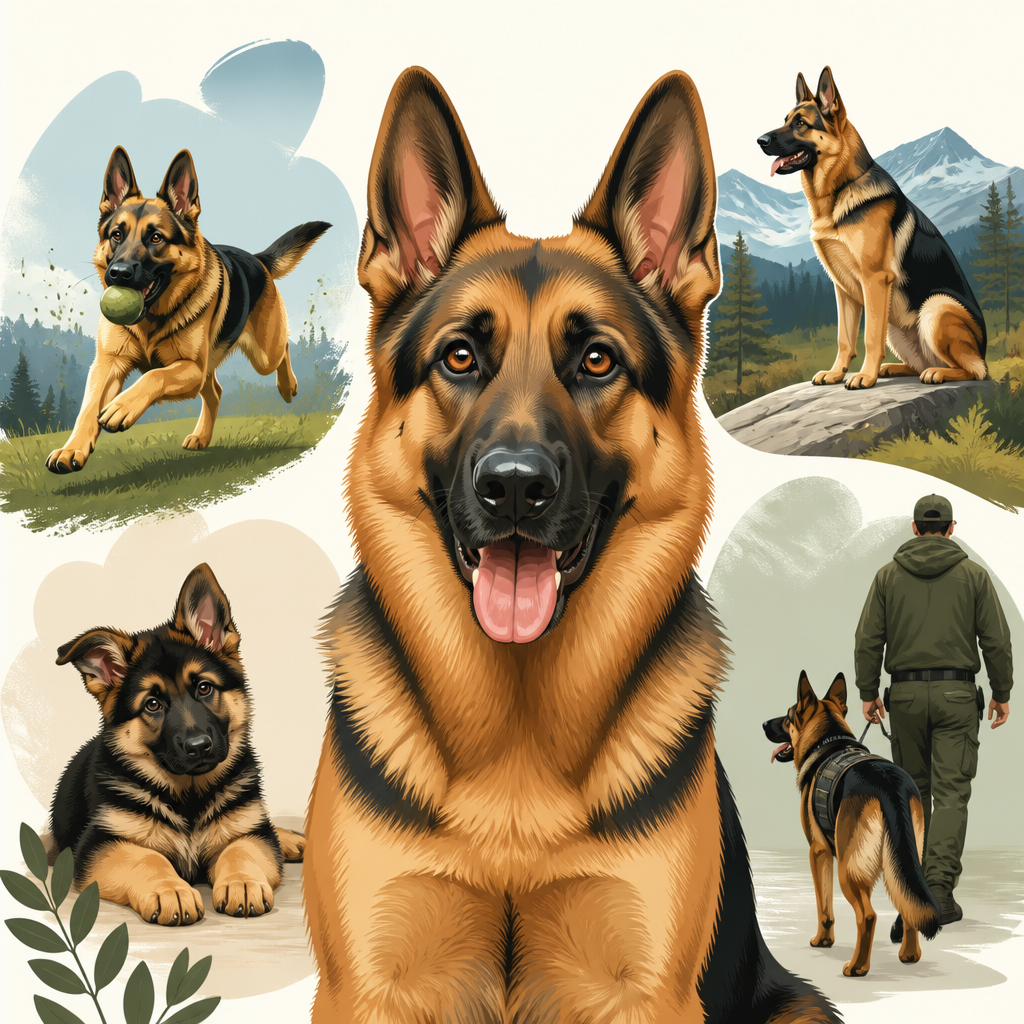
Meet the German Shepherd
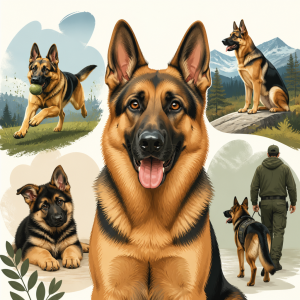
Few dog breeds are as instantly recognizable as the German Shepherd. With their upright ears, alert expression and athletic silhouette, they have become familiar faces in homes, films and working roles around the world. Their popularity is not simply about looks, though. German Shepherds are widely admired for combining sharp intelligence, deep loyalty and impressive versatility.
A well-bred, well-raised German Shepherd often forms a remarkably close bond with its family. Many are affectionate and playful at home while staying watchful and attentive to their surroundings. They are quick learners, which helps explain their long history as trusted partners in demanding jobs, but that intelligence also makes them especially rewarding for owners who enjoy training and interacting with their dogs.
These are athletic, capable dogs that tend to thrive when they have a purpose. A German Shepherd may love long walks, hikes, games of fetch, obedience practice, scent work or dog sports. Just as importantly, most need mental challenges as well as physical activity. They are not usually content to spend every day alone in the yard or lounging without engagement.
That does not mean every German Shepherd needs to be a working dog. Many make wonderful family companions, provided their homes can offer consistent guidance, daily exercise, positive training and plenty of companionship. They can be sensitive to their people and highly tuned in to household routines.
Before bringing one home, it is worth being realistic: this is a large, energetic breed with a thick shedding coat and a strong need to be included in family life. For people ready to invest the time, patience and attention they deserve, German Shepherds can be loyal, fun and exceptionally devoted companions.
German Shepherd History and Original Purpose
German Shepherd History and Original Purpose
The German Shepherd was developed in Germany in the late 1800s, when breeders set out to create an exceptionally capable herding dog. Rather than focusing on looks alone, they selected dogs for useful qualities: intelligence, endurance, responsiveness, sound movement and the ability to work closely with a handler. Captain Max von Stephanitz, often called the father of the breed, played a major role in establishing the German Shepherd as a distinct, purpose-bred dog.
Although early German Shepherds helped move and guard flocks, their talents soon proved valuable far beyond the pasture. They learned quickly, stayed focused in demanding situations and had the courage to work in unfamiliar or stressful environments. These traits led to roles in police and military work, where they have served as patrol dogs, trackers and detection dogs.
Their versatility also made them natural partners in search-and-rescue work. A trained German Shepherd may help locate missing people, follow scent trails or search disaster areas. Some also work as service dogs, assisting people with disabilities through tasks such as mobility support, medical alerts or guiding a handler through daily routines.
Of course, not every German Shepherd is destined for formal working duties. Many now live as beloved family dogs, enjoying training classes, hiking, games and simply being part of everyday life. Their history still matters, though: the breed was designed to have a job and to cooperate closely with people. A modern German Shepherd is often happiest when given both companionship and a meaningful outlet for its mind and energy.
Appearance, Size and Temperament
Appearance, Size and Temperament
German Shepherds have a distinctive, purposeful look that reflects their working heritage. Adult males commonly stand about 24 to 26 inches at the shoulder, while females are usually 22 to 24 inches. Weight varies with sex, build and conditioning, but many healthy adults fall roughly within the 50 to 90 pound range. They should look athletic and balanced rather than overly bulky, with a strong body built for steady movement, quick turns and endurance.
Their upright, pointed ears and wedge-shaped head create the breed’s familiar alert expression. A German Shepherd’s eyes are typically dark and attentive, often seeming to follow every detail around them. Most have a dense double coat: a weather-resistant outer layer over a soft insulating undercoat. This practical coat helped protect the breed while working outdoors in changing conditions.
In personality, German Shepherds are often confident, highly intelligent and deeply loyal to their people. Many are naturally watchful and can be protective of their home and family. They may be reserved when meeting strangers, which is not the same as being unfriendly. With calm introductions and good socialization, a well-adjusted dog can learn to assess new people and situations without becoming overwhelmed.
Still, no two German Shepherds are exactly alike. Temperament is shaped by genetics, early handling, breeding priorities, socialization, training and an individual dog’s experiences. Some are outgoing and playful, while others are more serious or quietly observant.
A well-raised German Shepherd should be stable, responsive and able to settle when appropriate. Fearfulness, uncontrolled suspicion and aggression are not qualities to encourage or dismiss as normal for the breed. Patient training, positive exposure to the world and responsible breeding all help this capable dog grow into a trustworthy companion.
German Shepherd Coat Colors and Types
German Shepherd Coat Colors and Types
German Shepherds come in more variety than many people realize. Their coats may be short to medium in length or noticeably longer, and colors range from the familiar black and tan to sable, solid black, bi-color and several less common shades. Kennel club standards can differ, and dogs bred primarily for companionship, conformation showing or demanding working roles may be evaluated with different priorities.
A white German Shepherd has a bright white or cream-white coat, but it shares the breed’s essential physical traits and potential for intelligence, loyalty and trainability. White coats are accepted differently depending on the registry and country, and some organizations place separate rules on showing or breeding them. Coat color alone does not determine a dog’s personality or ability.
The long haired German Shepherd has a fuller, softer-looking coat, often with feathering around the ears, legs, tail and chest. These dogs can be especially eye-catching, but that extra coat requires more care. Regular brushing helps prevent tangles, removes loose hair and keeps the skin and coat in good condition.
A blue German Shepherd has an uncommon dilute color that appears gray-blue or slate-colored rather than true blue. While striking, this color may be treated differently under various breed standards, and some registries do not recognize it for conformation competition. As with any unusual color, buyers should be cautious of sellers who market rarity above sound breeding practices.
Whether a dog is white, long-coated, blue or a more traditional color, health and character matter most. Look for responsible breeders or rescues that prioritize stable temperament, appropriate health testing and a good match between each dog and its future home.
The Czech German Shepherd and Working Lines
The Czech German Shepherd and Working Lines
The term Czech German Shepherd commonly describes dogs from Czech working-line backgrounds. These lines developed from dogs bred for demanding roles, including border patrol work in what was once Czechoslovakia. Breeders selected for qualities that helped dogs perform reliably in challenging conditions, such as physical endurance, trainability, courage and a strong desire to work with a handler.
Many Czech working-line German Shepherds are known for high drive, stamina, focus and intensity. They may excel in activities such as obedience, tracking, scent work, protection sports, search-and-rescue training or other active dog sports. Their athleticism and enthusiasm can be impressive, but those same traits mean they are not automatically an easy fit for every household.
A working-line puppy may need more than neighborhood walks and occasional playtime. These dogs often thrive with regular training, clear routines, problem-solving activities and meaningful outlets for their energy. Without enough physical exercise and mental engagement, a bright, driven German Shepherd can become frustrated or develop unwanted behaviors.
Still, labels only tell part of the story. Individual dogs vary widely based on genetics, early experiences, breeding goals and training. Not every Czech German Shepherd will have the same intensity, and some can become loving, adaptable family companions in homes that understand their needs.
Before bringing home a working-line dog, speak honestly with a reputable breeder or rescue about the dog’s energy level, temperament, training history and ideal placement. The best match is not necessarily the most driven dog, but the one whose needs fit your lifestyle, experience and available time.
Training, Exercise and Socialization Needs
Training, Exercise and Socialization Needs
German Shepherds are highly intelligent dogs, and early, reward-based training gives that intelligence a positive direction. Begin teaching everyday skills as soon as a puppy arrives home: name response, recall, loose-leash walking, polite greetings, settling calmly and basic cues such as sit, down and stay. Short, enjoyable sessions using treats, toys, praise and clear consistency are usually far more effective than harsh corrections. Training should continue throughout adulthood, not end after puppy classes.
This breed also needs meaningful daily activity. A brisk walk alone is rarely enough for a healthy, energetic German Shepherd. Most do best with a combination of physical exercise and mental work tailored to their age, health and individual drive. Options can include walks, hiking, fetch, obedience practice, scent games, puzzle toys and structured dog sports such as agility, tracking or rally. Puppies should avoid repetitive high-impact exercise while their bodies are still developing, but they still need frequent chances to explore, play and learn.
Socialization is equally important. From an early age, introduce the dog gradually and positively to different people, friendly vaccinated dogs, vehicles, household sounds, surfaces and places. The goal is not to make every German Shepherd eager to greet everyone, but to help them remain calm, confident and responsive around everyday life. Let the dog observe at a comfortable distance and pair new experiences with praise or treats.
Without enough exercise, companionship and mental stimulation, a German Shepherd may create its own entertainment. Excessive barking, chewing, digging, jumping or reactivity can develop when a bright, active dog is bored or frustrated. A predictable routine, kind guidance and purposeful activities help this loyal breed become a well-mannered companion.
Health, Grooming and Everyday Care
Health, Grooming and Everyday Care
Good everyday care helps a German Shepherd stay comfortable, active and ready to enjoy family life. Feed a complete, high-quality diet suited to the dog’s age, size and activity level, and monitor portions to help maintain a lean body condition. Fresh water should always be available. Regular veterinary checkups, vaccinations, parasite prevention and prompt attention to changes in appetite, energy or behavior are all important.
Dental care is easy to overlook, but it matters. Brush teeth regularly with dog-safe toothpaste when possible, and ask a veterinarian about appropriate dental chews or professional cleanings. Trim nails as needed, usually when they begin clicking on the floor, since overly long nails can affect comfort and movement.
Like many large breeds, German Shepherds can be prone to certain inherited or structural health concerns. Prospective owners should ask breeders about screening for hip and elbow dysplasia, and discuss the family history of degenerative myelopathy. Some dogs may also experience digestive sensitivities. Bloat, also called gastric dilatation-volvulus, is a serious emergency risk in deep-chested breeds, so owners should know the warning signs, including an unproductive attempt to vomit, a swollen abdomen, restlessness or sudden distress.
The breed’s dense double coat sheds throughout the year, with especially heavy shedding during seasonal coat changes. Brush most German Shepherds several times a week to remove loose hair, reduce mats and spread natural oils. A long haired German Shepherd generally needs more frequent brushing, particularly around the ears, tail, legs and feathering where tangles can form.
Baths should be occasional rather than constant. Overbathing can dry the skin and strip protective coat oils. Use a gentle dog shampoo when needed, keep ears clean and dry, and make grooming a calm, reward-based routine from puppyhood.
Is a German Shepherd the Right Dog for You?
Is a German Shepherd the Right Dog for You?
A German Shepherd can be an exceptional companion for the right household. Their loyalty, intelligence, versatility and deep affection for their people are the qualities that have made the breed beloved around the world. Many enjoy being included in family life, whether that means joining a hike, learning new skills, playing in the yard or simply resting near their favorite person at home.
Still, this is not a low-maintenance dog. Before bringing one home, honestly consider whether you have time each day for exercise, training, grooming and companionship. German Shepherds need more than a quick walk around the block. They benefit from regular physical activity, mental challenges and clear, kind guidance. Puppies and adolescents also require close supervision while they learn household manners and appropriate ways to channel their energy.
A home does not need to be perfect or have a huge yard, but it should be prepared for an active, powerful dog that wants to participate in daily life. Families should be ready to continue training throughout the dog’s life, manage shedding and provide positive social experiences. People who are away for long hours with little time for engagement may find the breed’s needs difficult to meet.
If you are considering a German Shepherd, look at breed-specific rescues as well as responsible breeders. Ethical breeders should complete relevant health testing, raise puppies thoughtfully and remain available to support owners. Rescues can also help match adopters with adult dogs whose energy level and temperament suit their lifestyle.
The clear takeaway: a German Shepherd thrives with kind leadership, purposeful activity and a committed home, rewarding that investment with remarkable devotion.