Siberian Husky: A Friendly Guide to This Energetic, Striking Breed
Discover the Siberian Husky’s history, striking looks, exercise needs and lively personality to see whether this active breed fits your life.
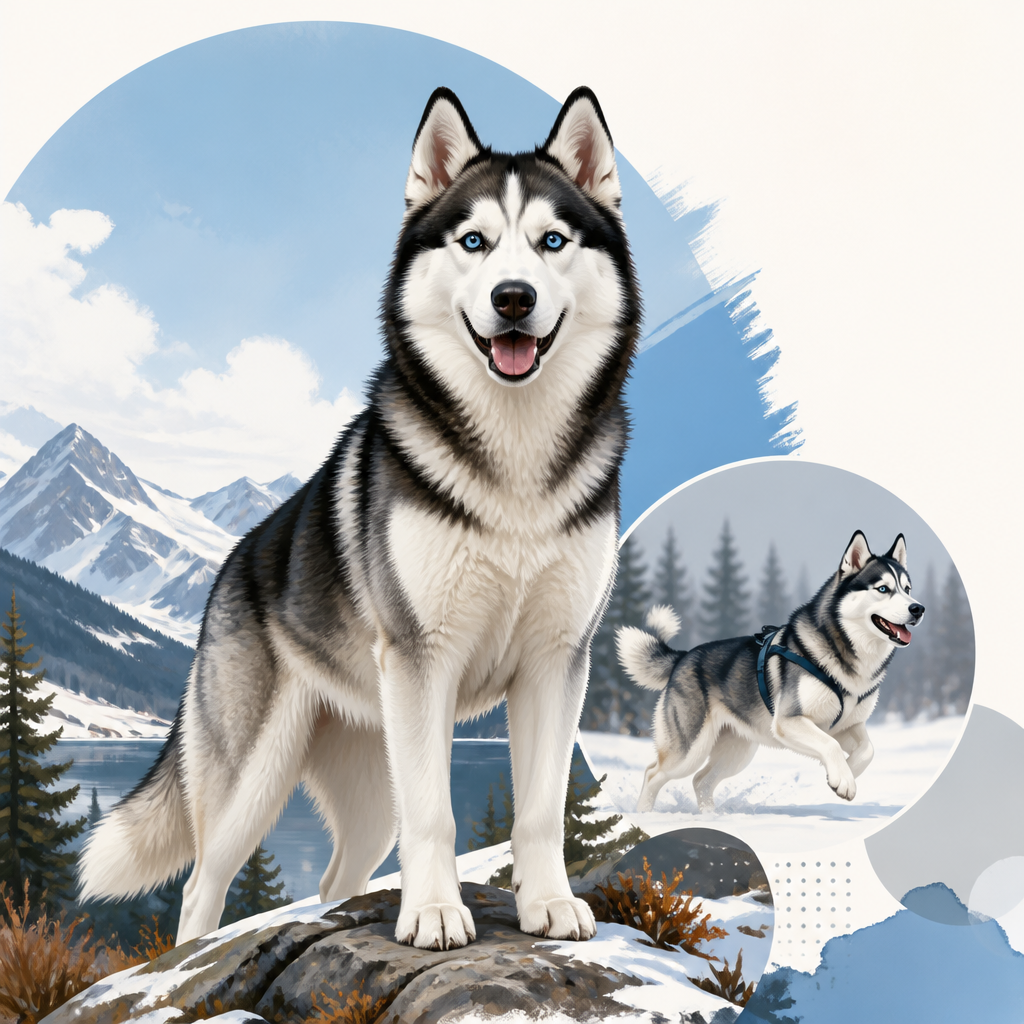
Meet the Siberian Husky
Meet the Siberian Husky
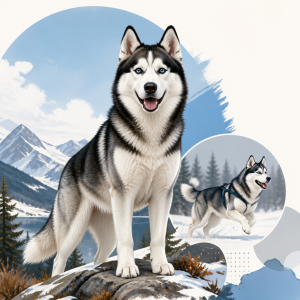
With bright eyes, upright ears and a coat that calls to mind a small wolf, the Siberian Husky is one of the most instantly recognizable dogs in the world. This medium-sized working breed combines striking good looks with remarkable stamina, a playful spirit and a famously sociable personality. Huskies often greet people with enthusiasm, enjoy the company of other dogs and have a talent for making everyday life feel more entertaining.
The breed began with the Chukchi people of northeastern Siberia, who developed these dogs to pull light sleds over long distances in brutally cold conditions. A successful sled dog needed endurance, efficiency and a cooperative nature, qualities that remain central to the Siberian Husky today. Beneath that fluffy double coat is an athletic dog built to keep moving.
Huskies can come in many eye-catching colors and coat types, including a white Siberian Husky, a red Siberian Husky, or a brown Siberian Husky, a description sometimes used for dogs with rich copper or chocolate-toned coloring. Some people are especially drawn to the extra-fluffy look of a wooly Siberian Husky. Yet color and coat length are only small parts of the picture. Every Husky needs thoughtful care, no matter how unusual or beautiful its appearance may be.
This is not usually a breed content with a quick stroll and a quiet afternoon alone. Siberian Huskies thrive with substantial daily exercise, patient training and plenty of companionship. They are affectionate and clever, but they can also be independent, energetic and inventive when bored. For an active household ready to include a dog in its daily adventures, a Siberian Husky can be a joyful, loving and unforgettable companion.
Siberian Husky Origins and History
For centuries, the Chukchi people of northeastern Siberia carefully developed dogs that could travel efficiently across vast, frozen landscapes. These early Siberian Huskies were bred to pull relatively light sleds over long distances, often in severe wind, snow and subzero temperatures. Endurance mattered as much as strength. Dogs also needed to work cooperatively in teams, conserve energy and live closely alongside the families who depended on them.
The breed reached wider attention in the early 1900s after Siberian dogs were brought to Alaska for sled racing. At first, their lighter build led some people to underestimate them beside larger freight dogs. Yet they quickly proved remarkably fast and tireless in long-distance events, including the famed All-Alaska Sweepstakes races.
Siberian Huskies also became part of one of Alaska’s best-known stories: the 1925 serum run to Nome. During a diphtheria outbreak, teams of sled dogs relayed lifesaving medicine across hundreds of miles of brutal winter terrain. Huskies, including the celebrated lead dogs Togo and Balto, helped demonstrate the courage, speed and resilience of sled dogs under extraordinary conditions.
That working heritage is still easy to see in the modern Siberian Husky. Many have impressive stamina and seem capable of going long after their people are ready to rest. They are intelligent enough to solve problems, but their history of working at a distance from human direction can also make them independent-minded. Most of all, Huskies retain a powerful urge to move, explore and run. Secure fencing, reliable leash habits and regular outlets for physical and mental energy are not luxuries for this breed, they are essential parts of responsible care.
What Does a Siberian Husky Look Like?
What Does a Siberian Husky Look Like?
A Siberian Husky is a medium-sized, athletic dog built for efficient movement rather than heavy pulling power. Their alert, wolf-like look is one reason the breed attracts so much attention, although Huskies are domestic dogs with a notably friendly and social nature.
The head is well proportioned, with erect triangular ears that give the dog an attentive expression. Their almond-shaped eyes may be blue, brown, or one of each, a trait called heterochromia. Some Huskies even have eyes with more than one color within the same iris. These striking eye colors are normal in the breed and do not predict a dog’s temperament, intelligence or overall health.
A Husky’s thick double coat is equally distinctive. The soft, dense undercoat provides insulation, while the longer outer coat helps protect against wind, moisture and dirt. Their tail is full and bushy, often carried in a gentle curve over the back or used to cover the nose when resting in cold weather.
Huskies come in a wide range of colors and markings. Black and white and gray and white are especially familiar, but coats may also be white, red, sable or agouti. Agouti Huskies have banded hairs that create a darker, wild-looking pattern, while sable coats combine lighter and darker hairs for a warm, shaded effect. Facial masks, white legs, chest markings and varied head patterns make each dog look a little different.
Despite the breed’s dramatic appearance, a Husky should look balanced, agile and ready to work. Their beauty is closely connected to the endurance, insulation and movement that once helped them travel across snowy Siberian landscapes.
White, Red and Brown Siberian Husky Colors
White, Red and Brown Siberian Husky Colors
A white Siberian Husky can look almost snow-covered, with a pure white coat and little to no visible marking. Others have white fur with soft cream, biscuit or pale yellow shading, especially around the ears, back or tail. These subtle tones are normal and do not make a dog any less of a Husky. A white coat may show dirt more easily, but it does not call for special products or a different care routine. Regular brushing, occasional baths and good coat maintenance are what matter.
A red Siberian Husky offers a warmer look, with shades ranging from light copper and strawberry blond to rich red. Many red Huskies have cream or white markings on the face, chest and legs. They are often seen with liver-colored, rather than black, noses, lips and eye rims. Their eyes may be amber, brown, blue or mixed in color, just as they can in other Huskies.
The term brown Siberian Husky can be a little confusing. Depending on the dog’s genetics and the terminology used by a kennel club or breeder, a brown-looking Husky may be called red, copper, chocolate-toned or even sable. The exact label matters less than understanding that coat color exists on a spectrum, and lighting can make the same dog appear lighter or darker from one setting to another.
A wooly Siberian Husky, white or red, may look especially plush because of its longer coat, but color and coat length do not tell you whether a dog will be healthy or easy to live with. Rare or fashionable colors can be appealing, yet responsible breeders put health testing, stable temperament and sound structure first. A well-bred Husky should be chosen for far more than a striking photograph.
The Wooly Siberian Husky and Coat Care
The Wooly Siberian Husky and Coat Care
A wooly Siberian Husky has a noticeably longer, softer and fluffier coat than the standard Siberian Husky coat. This look comes from a recessive genetic trait, and it can make the dog appear especially dramatic, with fuller fur around the neck, legs, tail and ears. A wooly Siberian Husky can occur in any recognized color or pattern, including white, gray, black or red.
Although many people love the plush appearance, the wooly coat is not preferred under the usual breed show standard. Traditional Husky coats were developed for hard work in Arctic conditions: dense enough to insulate the dog, yet of a texture and length that helps shed snow and moisture efficiently. A longer wooly coat may hold moisture or snow more easily and may not provide the same practical weather-resistant function.
Coat care is important for every Husky, but it can be especially demanding for a wooly-coated dog. Brush your Husky several times a week with tools suited to a double coat, such as a slicker brush, comb and undercoat rake used gently. During seasonal shedding periods, often called “blowing coat,” daily brushing can help remove loose undercoat before it spreads across the house or forms mats.
Pay close attention to friction-prone spots, including behind the ears, beneath the collar, around the tail and on the feathering of the legs. Regular brushing also gives you a chance to check the skin for irritation, debris or tangles.
Avoid shaving a Siberian Husky’s double coat, including a wooly coat, except when a veterinarian recommends it for a medical reason. The coat helps regulate body temperature in both cold and warm weather, and it provides valuable protection from sun exposure. Instead, keep the coat clean, well brushed and dry, while offering shade, water and sensible exercise during hot weather.
Temperament: Affectionate, Clever and Independent
Temperament: Affectionate, Clever and Independent
Siberian Huskies are often affectionate, playful dogs that enjoy being part of everyday family life. Many are outgoing with visitors and get along well with other dogs when properly socialized. Their friendly nature is one of their most appealing qualities, but it also means they are not usually natural guard dogs. A Husky may happily greet a stranger rather than sound the alarm.
They are intelligent, too, although that intelligence comes with a famously independent streak. Huskies were bred to work at a distance and make decisions in demanding conditions, so they do not always feel compelled to obey simply because they have heard a command. First-time owners can find this surprising. A Husky may understand exactly what is being asked, then decide that a squirrel, an interesting scent or a game is more appealing.
This breed is also known for being vocal. Some Huskies bark, but many prefer expressive howls, yips, “talking” sounds and dramatic complaints. Digging, climbing, testing fences and attempting escapes are also common behaviors, especially when a dog is bored, under-exercised or left alone for long periods. Their strong prey drive can lead them to chase cats, rabbits, birds or other small animals, so careful supervision and secure leash handling are essential.
These traits are not signs of a bad dog. They are normal Husky instincts that need thoughtful management. Start socialization early, introducing a puppy calmly to different people, dogs, places and everyday sounds. Use positive reinforcement training, reward the behaviors you want, and keep sessions short and engaging. Consistent household rules, plenty of activity and secure boundaries help a Siberian Husky become a cheerful, well-mannered companion.
Exercise, Training and Everyday Care
Exercise, Training and Everyday Care
A Siberian Husky needs far more than a quick walk around the block. Bred to travel long distances, this athletic dog benefits from daily physical exercise paired with mental challenges. Without enough to do, a bored Husky may turn its energy toward digging, chewing, howling or planning an impressive escape.
The right amount of activity varies with a dog’s age, health and individual temperament, but most healthy adult Huskies thrive with vigorous daily outlets. Hiking, brisk walks, canicross, scent games, puzzle toys and supervised play with well-matched dogs can all help meet their needs. Running can be a great option for mature, conditioned dogs, though it is wise to ask a veterinarian before starting a running routine, especially for puppies, seniors or dogs with health concerns. Avoid strenuous exercise in hot weather, as their thick coats make Huskies more vulnerable to overheating.
Training should be part of everyday life, not a one-time puppy project. Practice recall, loose-leash walking, settling calmly and basic cues in short, rewarding sessions. Even well-trained Huskies may be unreliable off leash around wildlife or fast-moving animals, so leash safety matters. Use a sturdy harness or collar, check equipment regularly and make sure your dog has current identification, ideally including a microchip.
Secure fencing is equally important. Huskies are famous escape artists that may climb, dig or squeeze through small gaps when tempted by an interesting scent or a chance to run. A tall, well-maintained fence and supervised outdoor time are sensible precautions.
Routine care supports an active life. Feed a quality diet suited to your dog’s age and activity level, schedule regular veterinary visits, trim nails, brush teeth and maintain coat care. Ask your veterinarian about screening and monitoring for breed-related concerns, including hip problems and inherited eye conditions.
Is a Siberian Husky the Right Dog for You?
Is a Siberian Husky the Right Dog for You?
A Siberian Husky can be an exceptional companion, but this is not a breed that thrives with a low-key, hands-off routine. Before bringing one home, honestly consider your schedule, energy level and living situation. Huskies need daily exercise, regular training and plenty of interaction with their people. A securely fenced yard is useful, but it does not replace walks, runs, games and shared activities.
They can adapt to different home sizes when their needs are met, including apartments, but long periods alone and too little activity often lead to boredom. That boredom may show up as howling, chewing, digging or ambitious escape attempts. An owner who enjoys being outdoors, can provide structure and is prepared for shedding and vocal opinions is often a much better match than someone drawn mainly to the breed’s striking looks.
In return, a well-cared-for Husky brings a great deal of joy. Many are affectionate, comical, clever and impressively athletic. They tend to make everyday life more active, and their playful personalities can create a strong bond with an involved family. Their independent nature can be challenging, yet it is also part of what makes them such memorable dogs.
If you are considering a puppy, seek out a reputable breeder who discusses health testing, temperament and the needs of the individual dogs, not just coat color. A white Siberian Husky, red Siberian Husky, brown Siberian Husky or wooly Siberian Husky needs the same thoughtful commitment as any other. Breed-focused rescue groups are also a wonderful option, especially for people ready to offer an adult dog a fresh start.
The clear takeaway is simple: with preparation, patience, consistent training and an active home, a Siberian Husky can be a loyal and wonderful companion.