How to Train and Care for a Dogo Argentino
Discover the Dogo Argentino’s loyal nature, exercise needs, training demands, and why this powerful breed thrives with experienced owners today.
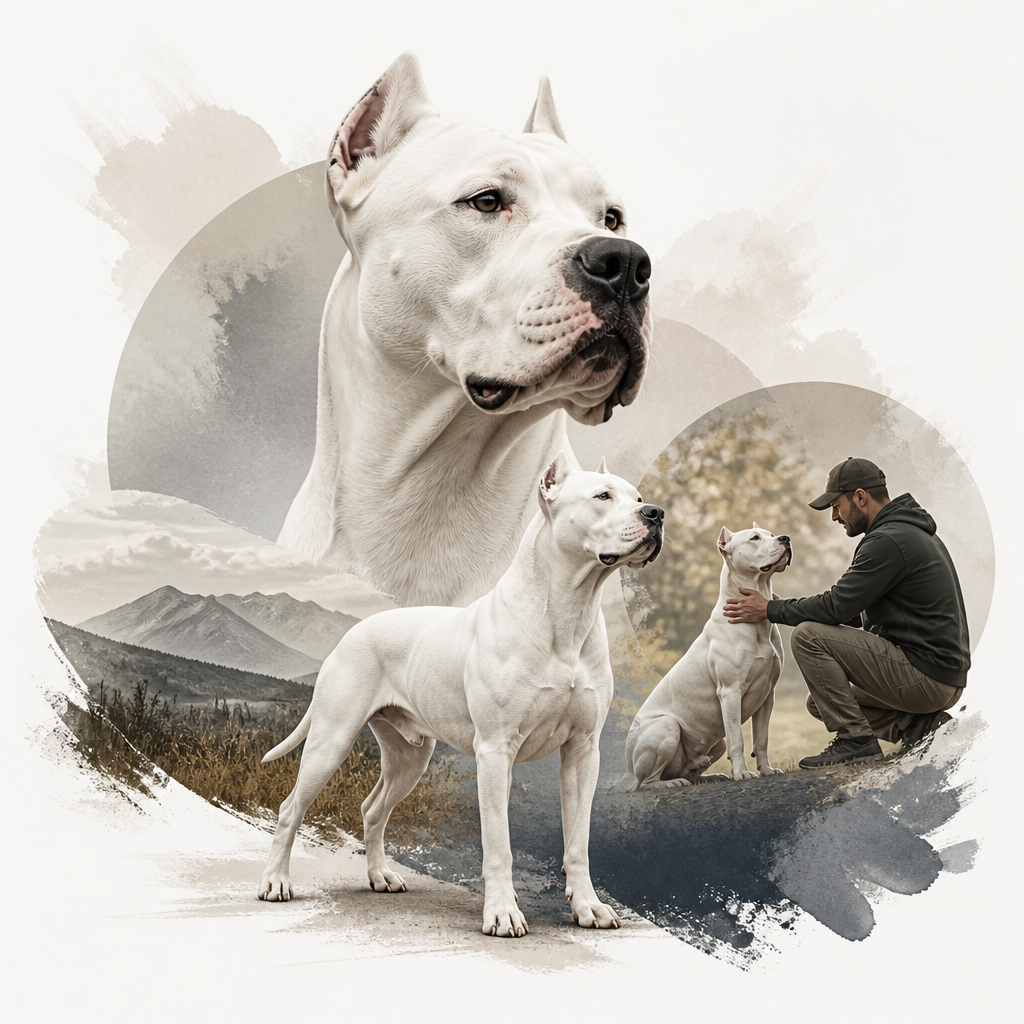
Meet the Dogo Argentino
Meet the Dogo Argentino
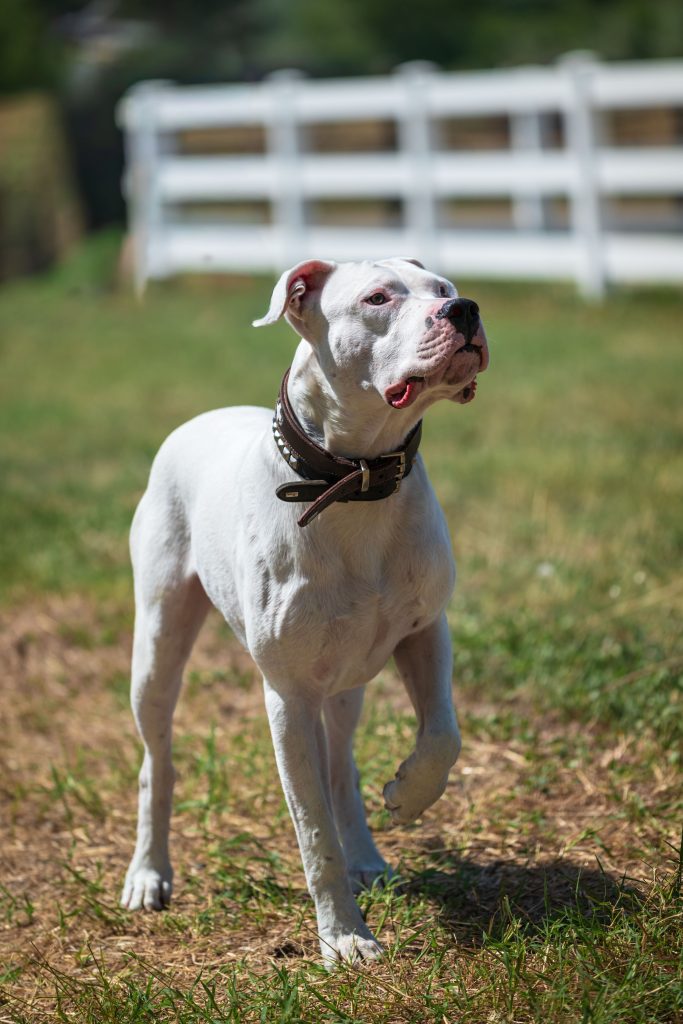
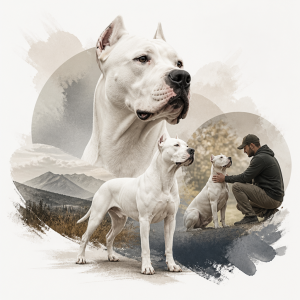
Few dogs make a first impression quite like the Dogo Argentino. With its bright white coat, powerful build, and alert, confident expression, this athletic breed naturally turns heads. A Dogo may look elegant standing still, but it was built for action: strong enough for demanding work, quick enough to move with surprising agility, and devoted enough to form close bonds with its people.
Originally developed in Argentina as a working hunting dog, the Dogo Argentino was not created simply to be an easygoing family pet. Its history includes tracking and hunting large game, often alongside other dogs and human handlers. That background helps explain many of the qualities people admire in the breed today, including courage, stamina, determination, and intense loyalty.
Those same traits also mean this is not a dog to choose based on appearance alone. A full-grown Dogo Argentino is large, muscular, and capable, with energy and instincts that need an appropriate outlet. It generally thrives with an owner who can provide daily exercise, consistent guidance, secure containment, and time for training. A quiet life with little activity or structure is rarely a good fit.
This does not mean every Dogo Argentino is difficult or that the breed cannot be loving at home. Well-bred, carefully raised individuals can be deeply affectionate, playful, and devoted to their families. Still, potential owners should understand the breed’s strong prey drive, its potential wariness around unfamiliar animals, and the importance of thoughtful management in public and at home.
In the sections ahead, we will look at the Dogo Argentino’s temperament, grooming and exercise needs, training and socialization, safety considerations, and the kinds of households where this remarkable dog is most likely to flourish.
Where the Breed Came From
Where the Breed Came From
The Dogo Argentino was developed in Argentina during the 1920s by Dr. Antonio Nores Martinez, a physician and passionate dog enthusiast. His aim was to create a capable big-game hunting dog that combined athleticism, courage, endurance, and a close working relationship with people.
Dr. Nores Martinez began with the now-extinct Cordoba Fighting Dog and carefully introduced traits from several other breeds, including mastiff-type dogs, pointers, bulldogs, and sighthounds. The result was a powerful white dog built to travel over difficult terrain and work as part of a coordinated hunting team.
Originally, Dogos were used in packs to pursue large, challenging quarry such as wild boar and puma. This work demanded much more than physical strength. A hunting dog needed stamina to cover long distances, confidence when facing dangerous animals, and enough control to work alongside other dogs and respond to human direction. These goals remain central to the breed’s identity today.
That history helps explain many Dogo Argentino traits. Their muscular bodies and impressive endurance reflect the demands of outdoor hunting. Their bold, determined nature can make them highly focused once they notice movement or an animal to chase. This is often described as prey drive, which is not the same thing as aggression, but it can make careful supervision and training especially important around smaller pets and wildlife.
At the same time, the breed was intended to be loyal and cooperative with its handlers. A well-bred, well-raised Dogo Argentino is often deeply devoted to its family. Still, its hunting heritage means owners should respect its power, confidence, and instincts rather than assuming this is a relaxed, low-maintenance companion.
Dogo Argentino Appearance and Everyday Needs
Dogo Argentino Appearance and Everyday Needs
The Dogo Argentino is a striking, medium-to-large dog with an athletic, heavily muscled body built for endurance and power. Adult males commonly stand around 24 to 26.5 inches at the shoulder, with females slightly smaller. Their broad chest, strong neck, powerful head, and solid jaws give them an imposing appearance, even though many are calm and affectionate at home with their families.
The breed is known for its short, smooth white coat. This coat is easy to care for compared with that of many breeds: a weekly brush usually removes loose hair and keeps the skin healthy. However, low-maintenance fur does not mean no grooming needs. Owners should trim nails regularly, check ears for irritation or debris, and keep up with routine dental care. Because white coats can make dirt and stains more noticeable, an occasional bath may also be useful.
Exercise is a major part of daily life with a Dogo Argentino. A quick walk around the block is rarely enough for this energetic working breed. Most need purposeful activity every day, such as structured leash walks, obedience practice, scent games, hikes, and supervised play. Safe opportunities to run can be valuable, but they should be in a controlled setting, not an unfenced open space.
Secure fencing is essential. A Dogo Argentino is athletic, strong, and determined, particularly if it spots wildlife or another animal beyond the yard. Fences should be high, sturdy, and checked regularly for weak points. Outdoor time should not replace training, exercise, or supervision, but a secure yard can be an important tool for safely meeting this breed’s active lifestyle.
Temperament: Is a Dogo Argentino Aggressive?
Temperament: Is a Dogo Argentino Aggressive?
The question “dogo argentino aggressive” comes up often, and the honest answer is that aggression is not inevitable. A well-bred, well-socialized, carefully trained Dogo Argentino can be deeply affectionate, steady, and devoted to its family. However, this is a powerful working breed with strong instincts, so its temperament should never be taken lightly.
Dog behavior is more complex than a simple aggressive or friendly label. Confidence means a dog can handle new situations without panic. Prey drive is the instinct to chase or pursue moving animals, which may be strong in a breed developed for big-game hunting. Reactivity describes an over-the-top response to a trigger, such as barking and lunging at another dog. Fear can also lead to defensive behavior. True aggression involves an intent to threaten or harm, and it requires serious, professional attention.
A Dogo Argentino may be protective of its home and people, intense in play, and less tolerant of unfamiliar dogs or other pets than some breeds. That does not mean every individual will have these traits to the same degree. Genetics matter, which is why responsible breeders select stable, sound-tempered dogs. Early socialization, ongoing reward-based training, good health care, and calm, consistent owner handling also make a major difference.
With its own family, a well-raised Dogo is often loving, loyal, and eager to be included in daily life. Still, owners should use thoughtful supervision around unfamiliar dogs, visiting animals, and small pets. Management is not a failure, it is a responsible part of living with a strong dog whose hunting heritage remains part of the breed.
Training, Socialization, and Responsible Ownership
Training, Socialization, and Responsible Ownership
Training should begin as soon as a Dogo Argentino comes home and continue throughout its life. This is a bright, powerful breed that benefits from clear expectations, steady routines, and a relationship built on trust. Harsh handling or punishment can create fear, conflict, or defensive reactions, while positive, reward-based training helps the dog understand what is wanted and makes cooperation more reliable.
Start with everyday skills that matter in real life: walking calmly on a leash, waiting at doors, settling on a mat, coming when called, and allowing gentle handling of paws, ears, and mouth. Recall practice is especially important, although no owner should assume a dog with a strong prey drive will be safe off leash in an unfenced area. Use high-value rewards, short training sessions, and consistent household rules. Impulse-control exercises, such as waiting for meals or choosing to look at an owner instead of chasing movement, can also be valuable.
Socialization does not mean asking a young dog to greet every person or play with every dog. It means creating calm, positive exposure to different people, friendly and appropriate dogs, traffic, household noises, new places, car rides, and veterinary-style handling. Let the dog observe at a comfortable distance, reward calm behavior, and avoid forcing interactions when it seems worried or overstimulated.
If leash reactivity, guarding, fear, or conflict with other animals appears, seek help early from a qualified, reward-based trainer or behavior professional familiar with powerful guardian or hunting breeds. This is generally not an ideal first dog for someone without the time, confidence, physical control, and experience to provide ongoing guidance. Responsible ownership means training the dog you have, managing risks realistically, and staying committed long after puppyhood.
Dogo Argentino Attack: Understanding Safety and Risk
Dogo Argentino Attack: Understanding Safety and Risk
Searches for “dogo argentino attack” often reflect understandable concern, especially because this is a large, athletic, powerful breed. Serious dog-bite incidents are upsetting, but it is important to look beyond the breed name alone. A harmful incident can involve many factors, including poor breeding practices, missed early socialization, neglect, pain or illness, inadequate training, lack of supervision, and irresponsible handling.
A Dogo Argentino is not automatically dangerous or destined to be aggressive. Many are deeply affectionate and reliable with their families. Still, any dog with this breed’s size, strength, confidence, and hunting background can cause significant harm if it behaves aggressively. That reality calls for thoughtful ownership, not fear or denial.
Practical safety starts at home. Children should always be actively supervised around dogs, including familiar family pets, and adults should teach children not to climb on, corner, tease, or disturb a dog while it eats or rests. Introduce visitors and other dogs gradually, with calm handling and enough space. Use a well-fitted collar or harness, a strong leash, and secure fencing that prevents climbing, digging, or roaming.
Owners should never encourage a Dogo Argentino to act threatening, guard people or property, or confront strangers. Training should build calm responses, reliable cues, and impulse control instead. If a dog shows growling, lunging, guarding, or other worrying behavior, seek help promptly from a qualified behavior professional.
Before bringing a Dogo Argentino home, check local dog laws, landlord or housing rules, homeowners or renters insurance requirements, and any breed-specific restrictions. Planning ahead protects the dog, its owner, and the wider community.
Living With Other Pets and the Dogo Argentino and German Shepherd Mix
Living With Other Pets and the Dogo Argentino and German Shepherd Mix
A Dogo Argentino can live successfully with other animals, but its hunting history means introductions should never be rushed. This breed was developed to pursue large game, and many individuals have a strong instinct to chase moving animals. Careful supervision, gradual introductions, and clear household routines are important from the start.
Homes with cats, rabbits, chickens, or other small pets may require extra planning. Some Dogos learn to live peacefully with animals they have known since puppyhood, while others may remain unsafe around small, fast-moving pets. Individual temperament matters more than assumptions, but owners should manage risks realistically. Secure separation areas, gates, crates, and leashes can be useful tools.
Same-sex dog relationships may also be challenging for some individuals, particularly once the dogs reach maturity. A Dogo Argentino may be friendly with certain dogs yet react poorly to others. Neutral, controlled meetings and ongoing supervision are wiser than assuming all dogs will become close companions.
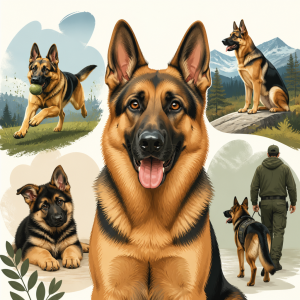
A dogo argentino and german shepherd mix can be an especially substantial dog, often combining size, intelligence, energy, and strong protective instincts. However, mixed-breed traits are not predictable. One dog may take after the German Shepherd’s responsiveness and alertness, while another may inherit more of the Dogo’s prey drive, physical power, and determination. Many will have traits from both.
Before adopting or buying this mix, meet the individual dog whenever possible and ask detailed questions about the parents’ temperaments, behavior around other animals, and health testing. Prospective owners should be prepared for daily exercise, structured training, and lifelong management. With knowledgeable handling and appropriate outlets for its energy, this type of dog can be a devoted companion, but it is not a low-maintenance choice.
Is the Dogo Argentino Right for You?
Is the Dogo Argentino Right for You?
A well-bred, well-managed Dogo Argentino can be an impressive companion. The breed combines courage, athletic ability, intelligence, affection, and deep loyalty to its family. Many are playful and loving at home, while also enjoying demanding activities such as hiking, scent work, obedience training, and structured exercise.
Those strengths also come with serious responsibilities. This is a powerful, driven dog developed for demanding work, not a pet that will be content with occasional walks and little guidance. The right owner is active, patient, calm, and consistent. They need time for daily exercise, ongoing reward-based training, careful socialization, and practical management around unfamiliar animals, visitors, and new situations.
A Dogo Argentino is usually a better fit for an experienced dog owner than for a first-time household. Owners should be comfortable setting clear boundaries without harsh methods, recognizing early signs of stress or overexcitement, and using secure fencing, strong equipment, and thoughtful routines. Every dog is an individual, but choosing a breed with this level of strength and prey drive requires realistic planning.
If you are considering one, avoid choosing solely because of the breed’s striking white appearance. Seek an ethical breeder who completes relevant health testing and prioritizes stable temperament, or contact a reputable rescue group that can share honest information about a dog’s history and needs. Ask detailed questions, meet the dog when possible, and check local housing, insurance, and breed rules before making a commitment.
The clear takeaway is simple: in a knowledgeable, committed home, a Dogo Argentino can be a devoted and rewarding companion. But this is a serious lifelong commitment, and careful preparation is essential for both the dog’s welfare and everyone’s safety.