Shih Tzu Dogs: Charming Companions, Care Needs and Honest Considerations
Discover the Shih Tzu’s affectionate personality, grooming demands, health concerns and daily care needs before bringing one home.
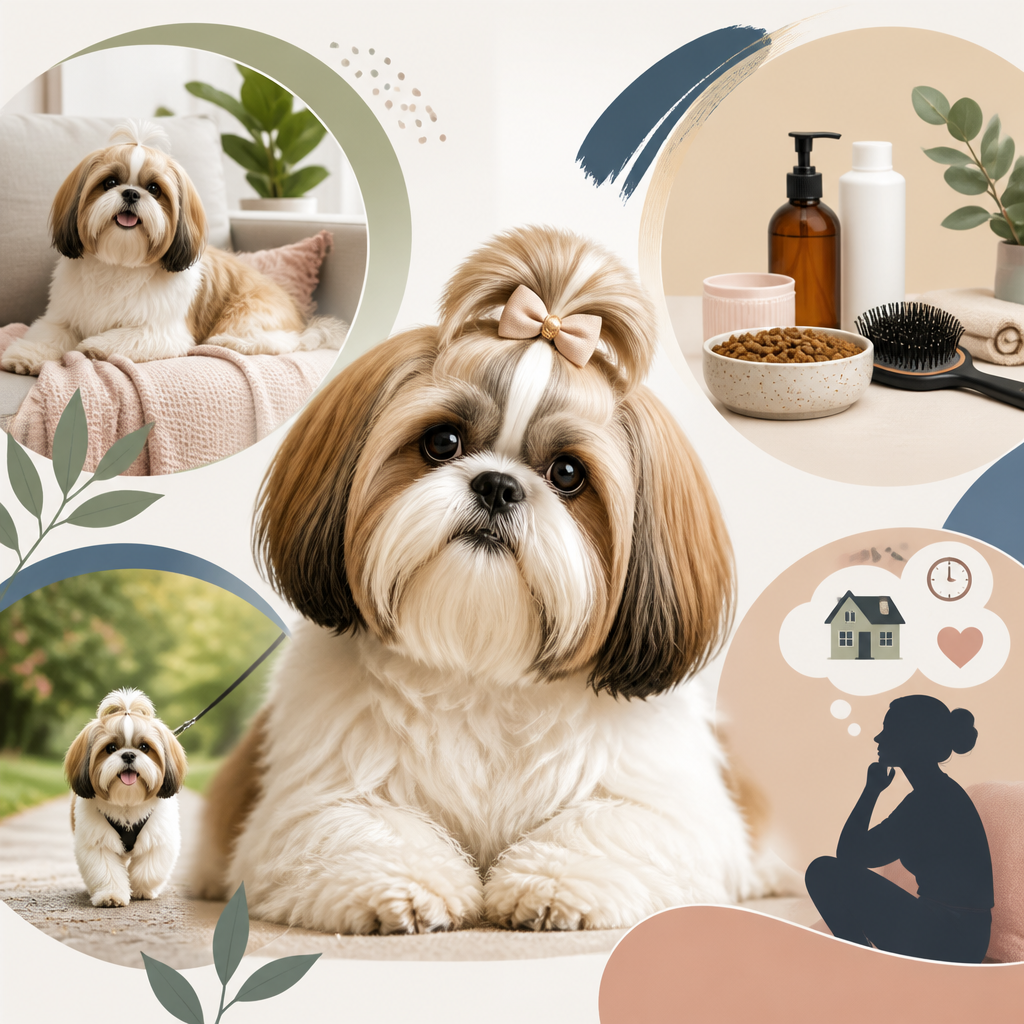
Meet the Shih Tzu: A Small Dog With a Big Personality
Meet the Shih Tzu: A Small Dog With a Big Personality
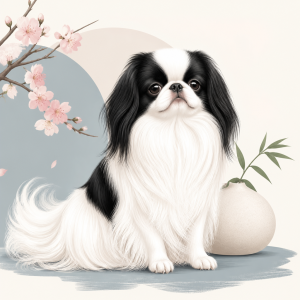
Few dogs combine royal-looking glamour and cheerful companionship quite like the Shih Tzu. With its round face, large dark eyes, short nose and flowing coat, this little dog is instantly recognizable. Its name is often translated as “lion dog,” but most Shih Tzus are far more likely to claim a warm lap than guard a palace.
The breed has a long history as a treasured companion. Shih Tzus were developed in imperial Chinese courts, where they were valued for their affectionate nature and close bond with people. That history still shows in the modern breed: a Shih Tzu generally wants to be involved in everyday life, whether that means following you from room to room, greeting visitors or settling beside you on the sofa.
When someone searches for “a shih tzu dog,” they are usually looking for a small, friendly pet with a big personality. These dogs are compact enough for many apartments and smaller homes, yet they tend to carry themselves with surprising confidence. They can be playful and silly, but their strongest trait is often their desire for human company. A Shih Tzu is usually not looking for a full day of hard exercise or outdoor adventure. It is looking for its people.
That makes the breed an appealing choice for many households, including adults, seniors and families with considerate older children. Still, the adorable face and manageable size do not make a Shih Tzu effortless. Their beautiful coat needs consistent care, their flat facial structure can bring health concerns, and their people-focused nature means they may struggle when left alone too often.
For the right owner, a Shih Tzu can be a loving, funny and devoted companion. The key is understanding the real commitment behind that charming little face.
Shih Tzu Temperament: Affectionate, Playful and Sometimes Stubborn
Shih Tzu Temperament: Affectionate, Playful and Sometimes Stubborn
Shih Tzus were bred first and foremost to be close companions, and that purpose still shows in their personality. Most are friendly, bright little dogs that enjoy being involved in everyday family life. They often greet visitors with interest, settle happily beside their favorite person and expect plenty of conversation, cuddles and attention. Despite their small size, many carry themselves with surprising confidence.
A Shih Tzu is usually playful rather than intensely energetic. A few short walks, gentle games indoors and time with their people will satisfy most adults. This makes the breed a natural fit for apartments, quieter households, seniors and anyone looking for a companion dog instead of a running, hiking or sporting partner. They can live well with considerate older children and other pets when introductions are handled patiently.
That affectionate nature has a less convenient side. Many Shih Tzus become very attached to their family and may bark, whine or become unsettled when left alone for long periods. They are generally not ideal for homes where everyone is away all day on a regular basis. Early, gradual practice with alone time can help prevent separation-related habits from becoming entrenched.
Training calls for a kind, consistent approach. Shih Tzus are intelligent, but they can also be stubborn, especially if a training session feels repetitive or harsh. Short sessions, tasty rewards and clear routines tend to work better than force or frustration. House training can take longer than some owners expect, partly because small dogs have small bladders and may dislike going outside in cold or wet weather. Frequent toilet breaks, close supervision and a predictable schedule are important.
Barking varies from dog to dog, but a Shih Tzu may alert its household to hallway sounds, visitors or unfamiliar activity. With patient training and enough companionship, these charming little watchdog tendencies can usually be kept manageable.
Daily Care: Grooming, Exercise and Feeding
Daily Care: Grooming, Exercise and Feeding
A Shih Tzu’s flowing coat is one of its most appealing features, but it is also a serious commitment. Whether the coat is kept long or clipped short, regular brushing helps prevent painful mats, removes loose hair and keeps the skin healthy. A longer coat may need gentle brushing every day, while a short “puppy cut” still benefits from brushing several times a week.
Bathing is usually needed every few weeks, depending on the dog’s lifestyle and coat length. The folds around the face, beard and feet can collect food, moisture and dirt, so these areas deserve extra attention. Daily eye cleaning with a soft, damp cloth can help remove discharge and reduce staining. Because Shih Tzus have prominent eyes, owners should also watch for redness, squinting, cloudiness or rubbing, and contact a veterinarian promptly if these occur.
Most owners schedule professional grooming every four to eight weeks for clipping, bathing, nail trims and coat maintenance. Starting grooming routines early, with treats and calm handling, can make this lifelong care much easier.
Shih Tzus do not need marathon exercise. A couple of short walks, plus indoor play and brief training sessions, are often enough to keep them content. However, their flat faces can make breathing and cooling themselves more difficult. Avoid strenuous activity in warm, humid weather, provide fresh water and never leave one in a hot car. Panting heavily, struggling to breathe or seeming weak in the heat requires immediate attention.
Feeding should be equally deliberate. Choose a complete, age-appropriate dog food and measure portions rather than free-feeding. Small dogs can gain weight quickly, and extra weight puts added strain on breathing and joints. Limit treats, monitor body condition and ask a veterinarian for feeding guidance. Dental care matters too: daily tooth brushing is ideal, since crowded teeth can make Shih Tzus prone to plaque and gum disease.
Health Considerations Every Owner Should Know
Health Considerations Every Owner Should Know
Shih Tzus are often long-lived dogs, but their compact build and flat facial structure can bring specific health concerns. Their short noses may make breathing less efficient, particularly during hot, humid weather or vigorous activity. Keep exercise gentle, avoid midday heat and never leave a Shih Tzu in a warm car or poorly ventilated room.
Their prominent eyes are another vulnerable feature. A scratch from a branch, rough play or even hair rubbing against the eye can cause irritation or injury. Regular face cleaning and careful grooming help, but eye redness, squinting, cloudiness, discharge or frequent pawing at the face should prompt a veterinary call. Eye problems can worsen quickly, so it is better not to wait.
Dental crowding is common in small breeds, including Shih Tzus, and can lead to tartar buildup, painful gum disease and loose teeth. Home brushing, dental checks and professionally recommended cleanings all play an important role. Some dogs also develop skin irritation or allergies, often noticed as itching, redness, ear problems or recurrent hot spots. Joint concerns, including kneecap issues such as luxating patella, may cause limping, skipping or reluctance to jump.
Choose a responsible breeder who performs appropriate health testing and is open about the health of their dogs. If adopting from a rescue, ask for all available veterinary records and an honest account of known conditions. Routine wellness visits help catch problems early, while pet insurance or a dedicated emergency fund can make unexpected treatment more manageable.
Seek urgent veterinary advice for overheating, heavy or labored breathing, collapse, blue-tinged gums, sudden eye changes, or a marked drop in appetite or energy. Not every change signals a serious illness, but prompt attention gives a Shih Tzu the best chance of a comfortable recovery.
Why Do Some People Say Shih Tzu Are the Worst Dog?
Why Do Some People Say Shih Tzu Are the Worst Dog?
Searches for “why shih tzu are the worst dog” usually do not mean that Shih Tzus are truly bad pets. More often, the phrase comes from owners who expected an easy, low-maintenance small dog and found that this breed asks for more time, patience and money than they anticipated. A Shih Tzu can be wonderfully loving, but the fit matters.
Grooming is a frequent source of frustration. That attractive long, silky coat needs regular brushing to prevent painful mats, along with bathing, face cleaning and professional grooming appointments. Keeping the coat clipped short reduces the work, but does not eliminate it. Some dogs also dislike brushing or eye cleaning unless they have been gently taught to accept it.
House training can test an owner’s patience, too. Shih Tzus are intelligent, but some are stubborn, sensitive to bad weather and reluctant to go outside in rain or cold. Consistent routines, close supervision and reward-based training are important, especially during puppyhood.
Their strong desire for company can also feel demanding. Many Shih Tzus want to follow their people from room to room, sit close by and receive regular attention. Left alone for long workdays without support, some may bark, become distressed or develop unwanted habits.
Finally, prospective owners should be realistic about veterinary costs. Their flat faces, prominent eyes, crowded teeth and other breed-related health risks can mean more preventive care and occasional unexpected bills.
For the right household, these are not deal-breakers. A person who enjoys grooming, values a devoted indoor companion and can provide patient training may find these same traits deeply endearing. The Shih Tzu is rarely the “worst” dog, it is simply not the easiest match for every lifestyle.
Is a Shih Tzu Right for Your Home and Lifestyle?
Before bringing home a Shih Tzu, be realistic about the everyday commitment. Their small size makes them easy to accommodate physically, but they are not a low-maintenance pet. Coat care takes time, whether you brush at home several times a week or budget for regular professional grooming. You should also be prepared for patient house training. Some Shih Tzus take longer than expected to become reliable indoors, and occasional accidents can happen, particularly during changes in routine or as they age.
Healthcare is another important consideration. Routine veterinary visits, dental care, parasite prevention and grooming costs all add up. Because the breed can be prone to eye, breathing and dental concerns, an emergency fund or pet insurance can provide welcome peace of mind.
A Shih Tzu can be an especially good fit for adults, seniors and apartment dwellers who want a warm, people-oriented companion. They generally enjoy a calm home, short daily walks and plenty of time near their favorite person. Families with gentle older children can also be a good match, provided children understand how to handle a small dog carefully and respect its need for rest.
This breed may be less suitable for very active households looking for a running, hiking or outdoor adventure partner. Shih Tzus should live primarily indoors and can struggle with heat, so they are not dogs to leave outside for long periods. They may also find long workdays difficult, especially if left alone regularly without company, breaks or support.
The best match is someone who wants daily companionship, can make room for grooming and training, and appreciates a dog that is happiest close by.
Shih Tzu Adoption and Maltese Shih Tzu Mixes
Shih Tzu Adoption and Maltese Shih Tzu Mixes
For many people, shih tzu adoption is a rewarding way to find a companion while giving a dog a needed home. Breed-specific rescues and local shelters may have Shih Tzus of many ages, from young adults to seniors. An adult dog can be an especially appealing choice because its size, coat type and basic personality are already clear. Some may also arrive with established house habits, a known activity level and experience living in a home.
Dogs placed through foster homes often come with particularly useful notes. A foster carer may be able to tell you whether a dog enjoys laps, tolerates brushing, settles alone for short periods or gets along with visitors. Before adopting, ask the rescue about:
- Any breathing, eye, dental, skin or joint concerns
- The dog’s comfort with grooming, bathing and handling around the face and feet
- Behavior around children, cats and other dogs
- House-training progress, barking and separation-related behavior
- Known training needs, medications and expected veterinary follow-up
A Maltese Shih Tzu, often called a Mal-Shi, is a cross between a Maltese and a Shih Tzu. Many are small, affectionate and strongly people-oriented, which can make them appealing to apartment dwellers and households seeking a devoted companion. However, a mix is not a guarantee of particular traits. One Mal-Shi may be calm and easygoing, while another may be more vocal, lively or sensitive to being left alone.
Their coats can also vary widely, but many Maltese Shih Tzu dogs need frequent brushing and regular professional grooming to prevent mats. They may inherit health concerns associated with either parent breed, so the same careful approach to veterinary care, heat safety and dental hygiene still matters. Whether adopting a purebred Shih Tzu or a mix, choose the individual dog whose needs genuinely fit your routine.
Final Thoughts: Loving a Shih Tzu Means Being Prepared
Final Thoughts: Loving a Shih Tzu Means Being Prepared
A Shih Tzu can be a wonderfully loving addition to the right home. These small dogs are often funny, expressive and deeply devoted to their people. They do not need marathon runs or a large garden to be happy, but they do need to feel included in everyday life. For someone who wants a close, affectionate companion, that people-focused nature can be one of the breed’s greatest joys.
Still, their small size and cute appearance should not be mistaken for low-maintenance care. Living with a Shih Tzu means committing to regular brushing, bathing, face and eye care, and professional grooming appointments. It also means planning for preventive veterinary visits, dental care and the possibility of breed-related health costs. Patient, reward-based training is important too, particularly for house training, barking and helping the dog feel secure when left alone.
Before bringing one home, try to meet adult Shih Tzus as well as puppies. An adult dog can give you a more realistic sense of the breed’s temperament, grooming demands and desire for companionship. Reputable breeders should be open about health testing and their dogs’ backgrounds, while rescues can offer valuable insight into an individual dog’s habits, behavior and care needs.
Choose based on your schedule, budget and lifestyle, not simply the Shih Tzu’s appealing face or luxurious coat. If you can provide consistent care, gentle training and plenty of time together, a Shih Tzu may reward you with years of loyal, cheerful companionship. The clear takeaway is simple: Shih Tzus make exceptional pets for prepared owners who are ready to care for both their needs and their big personalities.