Sloughi Dog Guide: The Graceful Arabian Greyhound at Home
Discover the Sloughi, a rare North African sighthound. Explore its temperament, care needs, training, and whether this graceful dog suits your home.
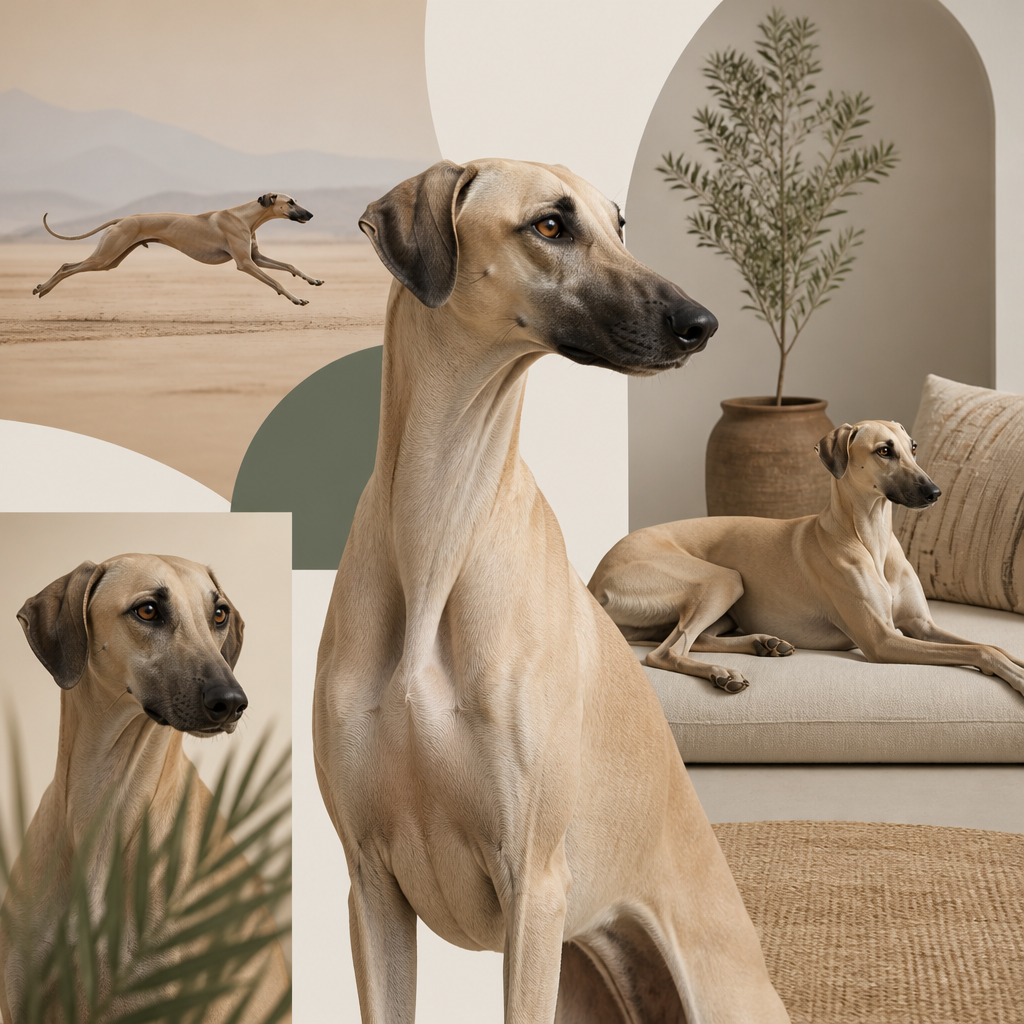
Meet the Sloughi: A Rare and Elegant Sighthound
Meet the Sloughi: A Rare and Elegant Sighthound
A Sloughi dog can seem almost sculpted from movement: lean, long-legged and quietly watchful, with the ability to explode into breathtaking speed when the moment calls for it. At home, however, this striking sighthound is often calm, gentle and dignified. For the right family, the Sloughi offers an unusual combination of athleticism, loyalty and a close, understated bond.
Also called the Sloughi levrier or the Sloughi Arabian greyhound, this breed comes from North Africa and has a history that reaches far beyond its elegant appearance. The alternative names can be confusing, especially because the Sloughi is sometimes compared with other slim, swift hounds. Yet it is its own distinct breed, with a particular look, heritage and personality. It is not simply a short-haired Saluki, Greyhound or Whippet.
A Sloughi tends to be deeply devoted to its own people, while remaining reserved with strangers. That sensitivity is part of the breed’s charm, but it also means these dogs do best with patient handling, thoughtful socialization and a home that understands their strong instinct to chase moving animals. Their graceful build is made for speed, but many Sloughis are content to settle quietly indoors after appropriate daily activity.
In this guide, you will discover where the Sloughi came from, what its temperament is really like and how it compares in the familiar Sloughi vs Saluki conversation. We will also cover exercise, grooming, training, life with children and pets, and what to expect when raising a Sloughi puppy. By the end, you will have a clearer sense of whether this rare, graceful hound could fit your lifestyle.
Origins and History of the Sloughi
Origins and History of the Sloughi
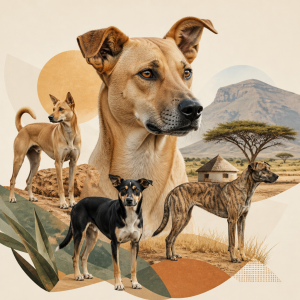
The Sloughi’s story begins in North Africa, where this elegant sighthound has been valued for centuries. Its historical homeland includes Morocco, Algeria, Tunisia and Libya, and the breed remains especially closely associated with Morocco today. Sometimes called the Sloughi levrier or Sloughi Arabian greyhound, it is a distinct North African breed rather than a variety of Greyhound or Saluki.
Traditionally, Sloughis lived alongside Amazigh, or Berber, communities and other families across the region. They were prized hunting companions, bred to spot and pursue game over wide, demanding landscapes. Their lean build, deep chest and long legs helped them travel quickly and efficiently across desert plains, rocky ground and open scrubland. Depending on the area, they hunted quarry such as hare, gazelle and fox, relying on exceptional eyesight, speed and stamina.
A Sloughi was more than a working dog. In many communities, these hounds held an important place within family life and cultural tradition. Their loyalty, courage and ability to work independently made them respected companions. Careful breeding helped preserve the athletic form and sensitive, watchful nature still seen in the modern sloughi dog.
Recognition outside North Africa came gradually during the 20th century, as enthusiasts introduced the breed to parts of Europe and later North America. Even now, the Sloughi remains uncommon compared with many other sighthounds. Breed clubs and dedicated owners have played an important role in protecting its heritage while introducing it as a companion and show dog.
That rare status is part of the breed’s appeal, but it also means prospective owners may need patience when seeking a responsible breeder or a Sloughi through rescue.
What Does a Sloughi Dog Look Like?
What Does a Sloughi Dog Look Like?
The Sloughi dog is instantly recognizable as a sighthound: tall, lean and beautifully athletic, with an outline made for covering ground efficiently. Its body is fine-boned but strong, with a deep chest for lung capacity, a tucked-up waist and long, powerful legs. This is a dog built not only for sudden speed, but also for endurance across wide, demanding terrain.
Sloughis have a short, smooth, close-fitting coat that shows off their elegant structure and requires very little grooming. Common coat shades include sand, fawn and red, with colors ranging from pale cream-like tones to richer reddish hues. Brindle coats are also seen, as are black markings, which may appear as a mask, ears, brindling or other darker shading. The breed’s clean, simple coat is practical for its historic life in North Africa, although its low body fat and short fur mean it appreciates warmth and a soft place to rest.
Adult Sloughis are generally around 24 to 29 inches tall at the shoulder. Males are usually at the larger end of that range and tend to look more substantial, while females are often slightly smaller and finer in build. Despite their height, they are not bulky dogs. A healthy Sloughi levrier should look fit and naturally lean, rather than heavily muscled or broad-bodied.
The Sloughi Arabian greyhound also has a distinctive expression. Its large, dark eyes and softly folded ears can give it a serious, almost distant look. This should not be mistaken for unfriendliness. The breed is often sensitive and highly observant, and its reserved appearance reflects a dog that takes time to assess unfamiliar people and situations.
Sloughi Temperament: Calm at Home, Fast Outdoors
Sloughi Temperament: Calm at Home, Fast Outdoors
A Sloughi dog often forms a deep, loyal bond with its own people. Many are affectionate in a quiet, understated way, choosing to rest near family members rather than constantly seeking attention. They may be gentle and loving at home, yet they are not usually indiscriminately friendly. With unfamiliar visitors, a Sloughi is commonly polite but reserved, and may prefer to observe from a comfortable distance before deciding to interact.
When their exercise needs are met, Sloughis tend to be peaceful housemates. They appreciate a soft, warm place to sleep and are often content to relax for much of the day. Their calm indoor manner can surprise people who have watched one move at full speed outdoors. Like other sighthounds, however, the Sloughi has a powerful instinct to pursue moving things. A running rabbit, cat, squirrel, or even a fluttering bag can trigger a chase, so secure fencing and leash management are essential.
This is a sensitive breed that responds best to calm, patient guidance. Harsh corrections, shouting, or forceful training methods can damage trust and make a Sloughi anxious or withdrawn. Short, positive training sessions using food, praise, play, and clear routines are usually far more effective.
Early socialization is particularly important for a Sloughi puppy. Gentle exposure to different people, friendly dogs, household sounds, car rides, and new environments can help build confidence without overwhelming the dog. The goal is not to turn a naturally discerning Sloughi into a social butterfly. Instead, thoughtful socialization helps the adult dog remain composed and secure while retaining the dignified reserve that is so characteristic of the breed.
Sloughi vs Saluki: Key Differences and Similarities
Sloughi vs Saluki: Key Differences and Similarities
The Sloughi vs Saluki comparison is a natural one. Both are ancient sighthounds developed to spot and pursue game over long distances, and both combine extraordinary speed with an elegant, sensitive nature. They are athletic dogs rather than all-purpose retrievers or eager-to-please working breeds, and each tends to form close bonds with its family.
At a glance, the breeds can look similar, especially when comparing a smooth-coated Saluki with a Sloughi. However, the Sloughi usually has a very short, smooth coat and a particularly streamlined, often more square-looking outline. Its expression can appear serious or contemplative. Salukis come in smooth and feathered varieties, with the feathered type carrying longer hair on the ears, tail, legs, and sometimes the feet. Salukis are also often seen in a wider range of coat colors and patterns.
In personality, both breeds may be gentle, quiet indoors, and affectionate with people they know well. They can also be emotionally sensitive, so calm, reward-based training suits them far better than force or harsh correction. Individual temperament matters greatly, but Sloughis are often described as especially reserved with unfamiliar people. A well-socialized Sloughi may be polite with visitors without seeking their attention.
Most importantly, neither breed is usually a reliable off-leash companion in an unfenced space. A running rabbit, squirrel, or deer can trigger the powerful chase instinct that made these hounds such skilled hunters. Secure fencing, a strong leash, and safe opportunities to run are essential for both the Sloughi dog and the Saluki.
Living With a Sloughi: Exercise, Home and Family Life
Living With a Sloughi: Exercise, Home and Family Life
A Sloughi dog needs daily exercise, but it does not have to be active at full speed from morning to night. A good routine usually includes purposeful leash walks, time to sniff and explore, and regular opportunities to stretch out in a safely enclosed area. These are athletic sighthounds that enjoy a chance to run, yet many are pleasantly calm indoors once their needs have been met.
That safe running space matters. A Sloughi should not be trusted off leash in an open park or unfenced field, no matter how well trained it seems. Fast-moving wildlife can quickly trigger its instinct to chase. Fencing should be secure, tall enough to discourage jumping, and checked for gaps or weak points. A long line can offer additional freedom during walks where a fully enclosed space is not available.
Mental activity is important too. Gentle training sessions, scent-based games, food puzzles and varied walking routes can help keep this intelligent, observant dog engaged. Harsh or overly demanding exercise routines are unnecessary, especially for young dogs, but boredom and inactivity are not a good fit for the breed.
At home, the Sloughi often appreciates comfort and quiet. Its short coat and lean body offer little insulation, so a warm bed, soft blankets and protection from cold weather are important. A calm, predictable household routine suits its sensitive nature well.
With respectful children, a well-socialized Sloughi can be affectionate and gentle, although adults should supervise interactions and teach children not to crowd, grab or disturb a resting dog. The breed may be reserved with visitors rather than openly social. Careful introductions help.
Other dogs may be compatible, particularly with thoughtful management. Small pets require much greater caution. Cats, rabbits and other small animals can activate prey drive, so secure separation and close supervision are essential.
Caring for a Sloughi Puppy
Caring for a Sloughi Puppy
A Sloughi puppy benefits most from a calm, predictable start. This is a sensitive, observant breed, so gentle socialization matters more than overwhelming exposure. Introduce new people, friendly vaccinated dogs, car rides, household sounds and different environments gradually. Let the puppy watch and approach at its own pace, rewarding calm curiosity rather than forcing interaction.
Positive, reward-based training is especially important for a Sloughi. Harsh corrections can damage trust and make a naturally reserved puppy less confident. Keep lessons brief, cheerful and consistent, focusing early on house training, handling, loose-leash walking and settling quietly at home. Puppy classes can provide useful, controlled social experiences, provided the instructor understands that not every puppy needs to greet everyone.
Exercise should be age-appropriate. A Sloughi puppy needs chances to play, explore and take short walks, but its growing joints should not be pushed through long runs, repetitive jumping or forced mileage. Several short activity periods, balanced with plenty of rest, are usually ideal.
When looking for a sloughi puppy, seek a responsible breeder with deep knowledge of the breed. Good breeders prioritize sound temperament, appropriate health screening, careful early raising conditions and lifelong support for their puppies. They should also be willing to discuss whether this rare sighthound suits your home.
Daily care is straightforward. Feed a high-quality diet suited to the puppy’s age and growth, maintain routine veterinary visits, and begin gentle nail trimming, tooth brushing and body handling early. The short, smooth coat needs only occasional brushing and basic bathing when needed.
Recall training is still worthwhile, particularly for safety and communication. However, a Sloughi’s instinct to chase can be powerful. Even a well-trained adult may not be reliable off leash around wildlife or moving animals, so secure fencing and a long line are often the safest choices.
Is the Sloughi the Right Dog for You?
Is the Sloughi the Right Dog for You?
The Sloughi dog has a special appeal for people drawn to graceful, thoughtful companions. Elegant in motion and often quiet indoors, this North African sighthound tends to form a deep, loyal bond with its family. A Sloughi is not usually a dog that demands attention from every stranger it meets, but its affection for its own people can be remarkably sincere and enduring.
The best home for a Sloughi is calm, patient and securely fenced. Owners should be ready to provide daily walks, opportunities for safe running and gentle mental engagement, without expecting the dog to be constantly active indoors. These sensitive hounds respond best to kind, consistent training and people who respect their need for space when meeting visitors or facing unfamiliar situations.
A Sloughi may suit an experienced dog owner, but first-time owners can also thrive with the breed if they are committed to learning about sighthounds. Secure management matters greatly. Its prey drive means that walks on leash and carefully controlled introductions to smaller pets are often essential. Families with considerate older children may be a good fit, while busy, noisy households or homes without secure outdoor space may be more challenging.
Before bringing home a Sloughi puppy, try to meet adult Sloughis and speak with knowledgeable breed clubs, ethical breeders or rescue organizations. They can offer a realistic view of the breed’s temperament, exercise needs and long-term care. Responsible breeders should welcome questions and prioritize health, stable temperament and careful early raising.
The clear takeaway is simple: a Sloughi Arabian greyhound is not the right dog for every home, but for a patient person who appreciates its sensitivity, independence and devotion, this rare hound can become an extraordinary lifelong companion.