Chihuahua Dogs: Big Personality in a Tiny Package
Discover the Chihuahua’s bold personality, Mexican roots, coat types and care needs, and see why this tiny dog makes a devoted companion at home.
Meet the Chihuahua: A Small Dog With a Huge Presence
Meet the Chihuahua: A Small Dog With a Huge Presence
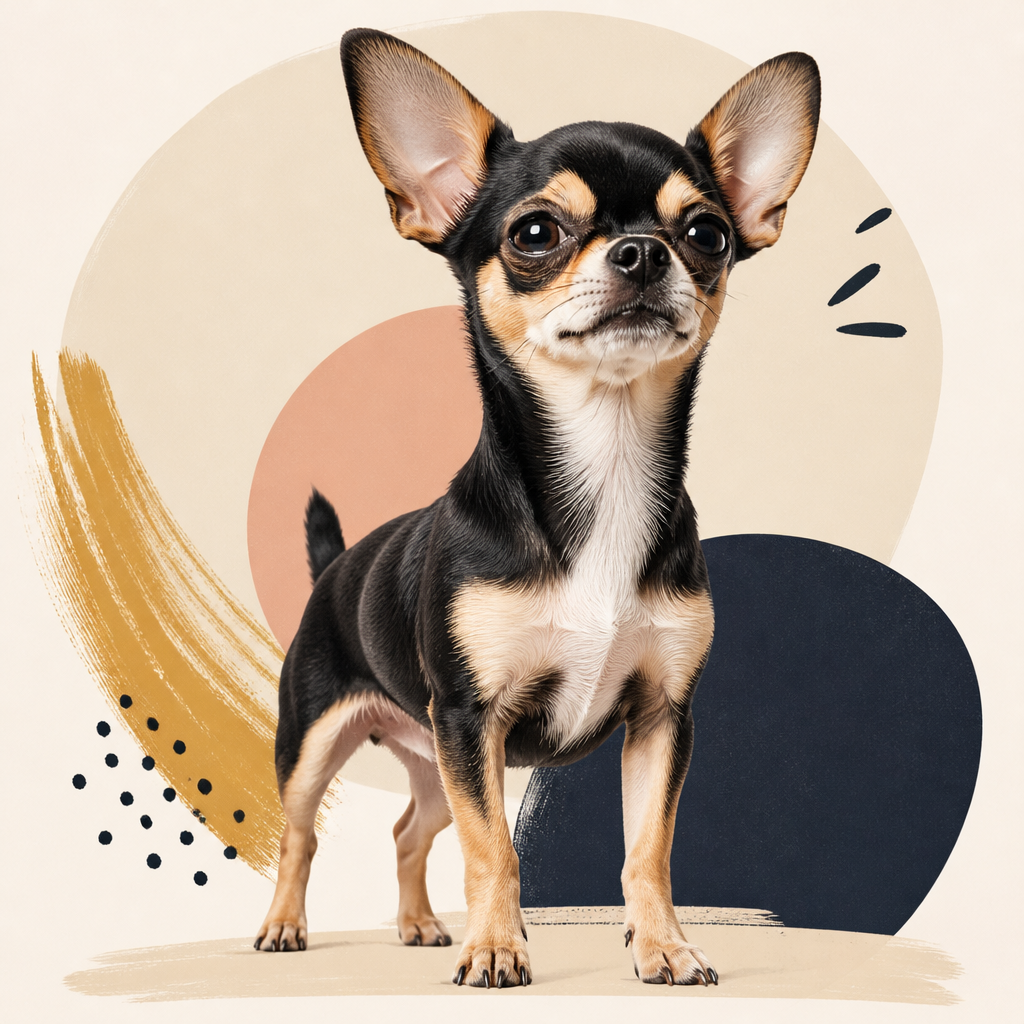
A Chihuahua may fit comfortably in your arms, but there is nothing small about its personality. With bright eyes, upright ears and a famously confident strut, this tiny dog has become one of the world’s most recognizable breeds. Chihuahuas are often portrayed as glamorous lap dogs, but they are also lively, intelligent companions with strong opinions and plenty of spirit.
Their compact size is a major part of the appeal. A Chihuahua is easy to carry, can be well suited to apartment living and does not need long countryside hikes to stay active. That said, “portable” should never mean treated like an accessory. These are real dogs with real needs, and many happily join their people for short walks, games and everyday adventures.
Chihuahuas also win hearts through their devotion. They often form especially close bonds with one or two people, offering enthusiastic greetings, warm cuddles and constant companionship. Their alert nature can make them entertaining little watchdogs too, although it can also lead to barking if they are not taught calm habits early.
Whether you love the sleek look of a smooth-coated Chihuahua or dream of a fluffy Chihuahua with a soft, flowing coat, the breed’s charm is easy to understand. Still, a tiny dog is not automatically an easy dog. Chihuahuas need gentle, consistent training, regular socialization, appropriate exercise and patient handling. They can be delicate physically, but they should not be allowed to rule the household simply because they are cute.
For the right owner, a Chihuahua brings enormous character into a small space. With kind guidance and attentive care, this little dog can be a bold, affectionate friend for years to come.
Where Chihuahuas Come From
Where Chihuahuas Come From
The Chihuahua has deep roots in Mexico, and its name comes from the Mexican state of Chihuahua, a large northern region where small dogs resembling the breed were found in the 19th century. Visitors to Mexico began bringing these lively little companions home, helping introduce them to dog lovers in the United States and beyond.
The breed’s exact early history is not fully settled, but many experts connect the Chihuahua to the Techichi, a small companion dog kept by the ancient Toltec civilization. The Techichi was likely larger and quieter-looking than the modern Chihuahua, yet it may have contributed to the breed’s foundation. Some theories also suggest that other small dogs were introduced later and mixed with local dogs over time. Whatever the precise path, the Chihuahua developed into a distinctly Mexican breed with a remarkable cultural history.
By the late 1800s and early 1900s, Chihuahuas were becoming recognized internationally. Their tiny size made them appealing city dogs and travel companions, while their expressive faces and confident attitudes made them hard to forget. Breed clubs and kennel organizations gradually established standards, helping the Chihuahua become one of the most familiar toy breeds in the world.
Today, the Chihuahua is more than a pet breed. It is a cultural icon, often associated with Mexican heritage, celebrity owners, fashion and popular entertainment. From the sleek smooth-coated dog to the long haired Chihuahua with its soft, feathered ears, the breed has stayed recognizable while winning fans across generations.
Chihuahua Size, Appearance and Coat Types
Chihuahua Size, Appearance and Coat Types
Chihuahuas are among the smallest dog breeds, yet they have a surprisingly sturdy, compact presence for their size. Most healthy adults weigh no more than about 6 pounds, although pet Chihuahuas may be a little larger. They are usually around 5 to 8 inches tall at the shoulder. Their bodies are neat and balanced, with a slightly longer body than height, fine legs and a tail that may curve over the back.
The breed’s face is a major part of its appeal. Chihuahuas have large, upright ears that seem to catch every sound, along with bright, prominent eyes and an intensely expressive look. One moment they can appear curious and alert, the next deeply serious or comically suspicious. Their small size does not make them invisible dogs, their confident posture and watchful expression tend to make them stand out.
There are two recognized coat types: smooth coat and long coat. A smooth-coated Chihuahua has short, close-fitting fur that can still feel soft and glossy. This variety sheds, but its coat is generally simple to maintain with occasional brushing.
A long haired Chihuahua has a soft coat that may be straight or slightly wavy, with feathering around the ears, neck, tail, legs and rear. Despite the name, the coat is not usually floor-length, but it does give the dog a more elegant, fuller outline. Regular brushing helps prevent knots, especially behind the ears and around the feathered areas.
The phrase fluffy Chihuahua is not an official coat classification. It is commonly used for a long-coated Chihuahua, or for any Chihuahua whose fur looks especially thick, soft or abundant.
Apple Head, Deer Head and Other Chihuahua Looks
Apple Head, Deer Head and Other Chihuahua Looks
Chihuahuas can have noticeably different head shapes, which is why owners often use terms such as apple head and deer head. These descriptions can be useful in conversation, but they do not tell the whole story about a dog’s health or personality.
An apple head Chihuahua has the rounded, dome-like skull most people associate with the breed. The head is broad and rounded on top, often with a relatively short muzzle and large, expressive eyes. This look also includes a pronounced “stop,” the distinct angle where the forehead meets the muzzle. Many kennel club breed standards favor this classic head shape, although details can differ among organizations.
A deer head Chihuahua is an informal term for a dog with a longer, narrower-looking head and muzzle. Its profile may appear less rounded, with a gentler stop and a head shape that some people compare to a young deer. Deer-headed dogs can be just as lovable and unmistakably Chihuahua-like, even if their appearance may not closely match every show-ring standard.
There are also many Chihuahuas that fall somewhere between these descriptions. Coat type, ear position, body proportions and individual genetics all affect a dog’s overall look. A long-coated dog, for example, may appear softer and rounder because of the fur around its face and ears.
When choosing a Chihuahua, appearance should never be the only priority. A responsible breeder focuses on sound health, stable temperament and appropriate care for both parents and puppies. Whether a Chihuahua has an apple-shaped head, a deer-like profile or its own unique look, a confident, healthy and well-socialized companion is far more important than fitting a label.
Understanding the Teacup Chihuahua
Understanding the Teacup Chihuahua
The term teacup Chihuahua sounds adorable, but it is important to understand what it means. It is a marketing label, not an official Chihuahua variety recognized by major kennel clubs. A Chihuahua may naturally be smaller or larger than another, but there is no separate teacup breed or approved “teacup” size category.
Exceptionally tiny dogs can be especially vulnerable. Their small bones may be more easily injured by a fall, rough play or an accidental step. They can also be prone to low blood sugar, particularly as puppies, which can become an emergency if they do not eat regularly. Dental problems are common in Chihuahuas of all sizes, but very small dogs may have even more difficulty fitting their adult teeth comfortably into their tiny jaws.
Prospective owners should be cautious of breeders who advertise puppies as guaranteed to stay unusually small, or who place extreme size above health and temperament. No responsible breeder can promise an exact adult weight for a young puppy, and a very low weight is not automatically a sign of quality or desirability. Ask about health testing, veterinary care, the puppy’s parents and how the breeder supports proper socialization.
A Chihuahua does not need to fit in a teacup to be a wonderful companion. The best choice is a dog with a healthy body condition, confident personality and caring start in life. A slightly sturdier Chihuahua is often better equipped for everyday adventures, cuddles and many happy years with its family.
Personality, Training and Family Life
Personality, Training and Family Life
Chihuahuas may be small enough to sit on a lap, but most have an impressively lively outlook on life. They are typically loyal, alert and clever dogs that form very close bonds with their people. Many become especially devoted to one or two family members, happily following them from room to room and settling in for a cuddle when the day is done.
That devotion can sometimes tip into wariness of strangers or possessiveness if it is not managed kindly from an early age. Puppies benefit from calm, positive exposure to different people, friendly vaccinated dogs, everyday sounds, car rides and new places. Never force a nervous Chihuahua to interact. Instead, give them space and pair new experiences with treats, praise and reassurance. Early socialization helps reduce fearfulness, nonstop barking and the feeling that this tiny dog must guard their favorite person.
Training matters just as much for a Chihuahua as it does for a larger breed. Start with reliable house training, since small puppies have small bladders and may need frequent toilet breaks. Teach a recall, even if your dog is usually carried or kept close, along with polite greetings that do not involve barking or lunging at visitors. Gentle handling is another essential skill. Regularly reward your Chihuahua for accepting touches to their paws, ears, mouth and body, which makes grooming and veterinary visits less stressful.
Chihuahuas can be lovely family dogs, but their delicate size means they often suit calm households best. Respectful older children who understand how to sit quietly, avoid chasing and support the dog properly can build wonderful relationships with them. Toddlers and rough play require close, constant adult supervision. A Chihuahua should always have a quiet retreat where they can rest without being disturbed.
Daily Care: Food, Exercise, Grooming and Health
Daily Care: Food, Exercise, Grooming and Health
Despite their small size, Chihuahuas need a consistent daily routine. Most enjoy a couple of short walks, adjusted for their age, fitness and the weather, along with indoor games such as gentle fetch, treat searches and short training sessions. Mental enrichment matters just as much as physical activity for this bright, alert breed. Puzzle toys and practicing simple cues can help prevent boredom and nuisance barking.
Food portions should be carefully measured. A few extra treats can make a big difference to such a tiny dog, and excess weight puts additional strain on the joints, heart and breathing. Choose a complete food suitable for the dog’s life stage, limit table scraps and ask a veterinarian for guidance if you are unsure how much to feed.
Grooming needs depend on coat type. Smooth-coated Chihuahuas usually need only occasional brushing to remove loose hair and keep their coat tidy. A long haired Chihuahua should be brushed several times a week, especially around the ears, chest, legs and tail, where fine hair can tangle. Regular nail trims, ear checks and dental care are important for every Chihuahua.
Dental disease is particularly common in small dogs, so daily tooth brushing, when possible, is one of the best habits an owner can establish. Veterinary checkups are also a good time to discuss patellar luxation, a kneecap problem, heart concerns and eye care.
Finally, think small-dog safety. Use a well-fitted harness rather than putting pressure on the neck with a collar, and provide a warm coat when temperatures drop. Prevent jumps from sofas, beds and other high furniture, since falls can cause serious injuries in a delicate Chihuahua.
Is a Chihuahua the Right Dog for You?
Is a Chihuahua the Right Dog for You?
A Chihuahua can be a wonderful match for someone looking for a devoted companion with a lively, entertaining personality. They are small enough to fit comfortably into many living situations, including apartments, but they are far from low-maintenance ornaments. These bright little dogs need daily interaction, gentle exercise, consistent training and plenty of affection.
Before bringing one home, think honestly about your routine. Can you spend time socializing and training a dog that may be naturally watchful or vocal? Are you prepared to supervise a tiny dog around children, larger pets and high furniture? Chihuahuas can be especially happy with calm adults, seniors or families with respectful older children who understand how carefully a small dog must be handled.
Their size also does not eliminate the costs of ownership. Quality food, dental care, regular veterinary visits and treatment for potential health concerns should all be part of the long-term plan. A Chihuahua may live well into its teens, so welcoming one home is a meaningful commitment.
If you are ready to adopt, consider checking Chihuahua-specific rescues and local shelters. Many lovely adult dogs need homes, and rescue staff can often help match you with a dog whose personality suits your household. If you choose a breeder, look for one who prioritizes temperament and health testing, raises puppies in a caring environment and never promotes extreme tiny size as a selling point.
Whether you fall for an apple head Chihuahua, a long haired Chihuahua or any other look, the best choice is a healthy, well-socialized dog. With patient care, kind guidance and a safe home, a Chihuahua can be a joyful, fiercely loyal companion for many years.