Chow Chow: Meet the Fluffy Dog and Discover the Classic Relish
Meet the dignified Chow Chow dog, from its ancient Chinese roots to grooming and training needs, plus a sweet-tangy classic relish recipe too
Welcome to the World of Chow Chow
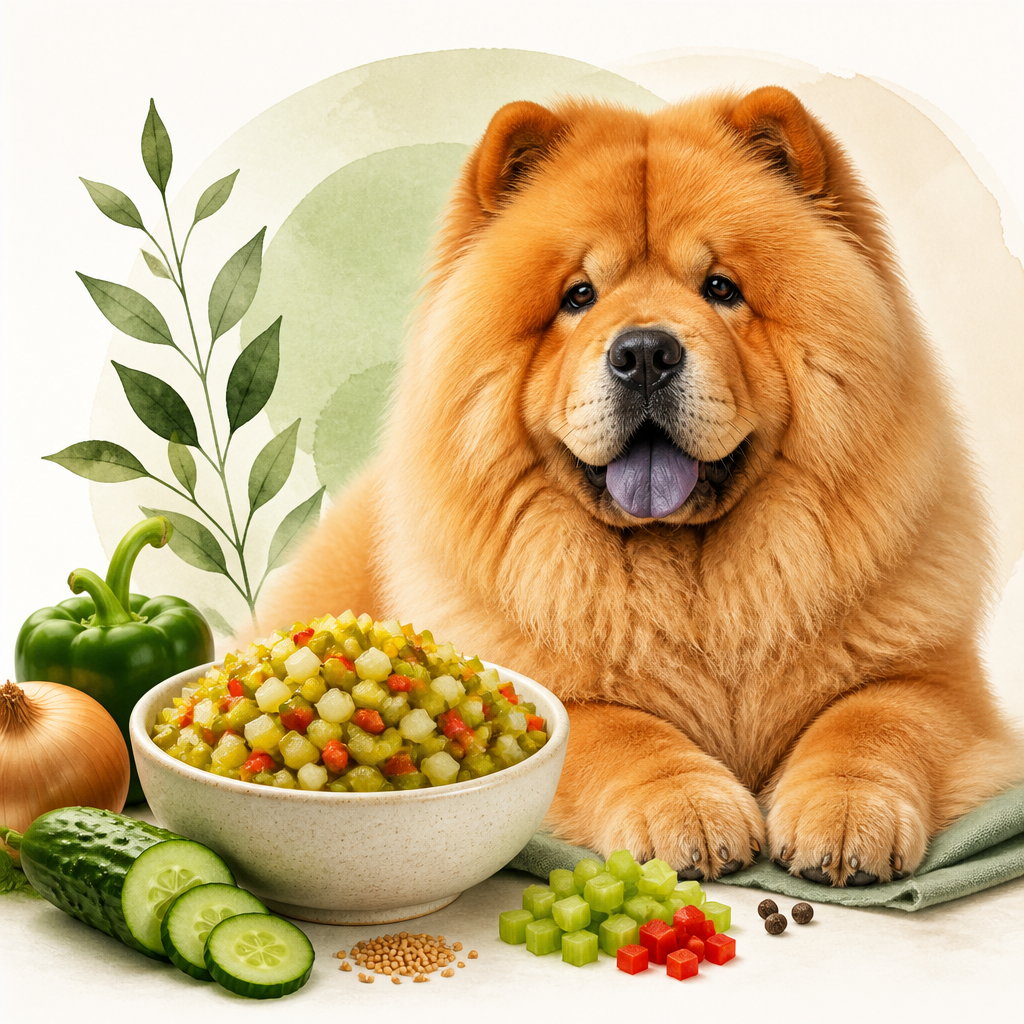
Few names invite a double take quite like chow chow. Say it to one person and they may picture a fluffy, lion-maned dog with a blue-black tongue. Say it to another and they may think of a bright, tangy relish spooned over beans, burgers or hot dogs. Both are well-loved traditions, and both have plenty of character.
This guide focuses mainly on the Chow Chow dog, a striking and ancient breed known for its dense coat, curled tail, quiet confidence and famously independent nature. A Chow Chow can be deeply loyal to its family, but it is not always the carefree, greet-everyone sort of dog. Understanding its temperament, grooming needs, exercise limits and training requirements is important before bringing one home.
Whether you are considering adoption, researching reputable breeders or simply admiring these unmistakable dogs from afar, it helps to look beyond the fluffy appearance. Good socialization, patient training and respectful handling can make a major difference in a Chow Chow’s life and behavior.
There is room here for the other kind of chow chow, too. Chow chow relish is a preserved condiment with Southern and Appalachian roots, usually combining crisp vegetables with vinegar, sugar and spices. Later, you will find a practical chow chow recipe to try if you are curious about its sweet-tart flavor.
For now, get ready to meet a breed with a long history, a dignified personality and needs that deserve thoughtful attention.
Are Chow Chow Chinese? Exploring the Breed’s Origins
Are Chow Chow Chinese? Exploring the Breed’s Origins
Are Chow Chow Chinese? Yes. The breed originated in northern China, where its ancestors lived and worked alongside people thousands of years ago. Chow Chows are often described as one of the world’s oldest dog breeds, with a history that reaches far beyond their modern role as striking household companions.
In earlier times, these versatile dogs were valued for much more than their appearance. Their sturdy bodies and steady nature suited them to practical jobs, including guarding homes and livestock, hauling loads, and assisting with hunting. They also served as companions, forming close bonds with the people they knew well. That mix of usefulness and loyalty helps explain why the breed has endured for so long.
A Chow Chow dog has several physical traits that make it easy to recognize. The best known may be its unusual blue-black tongue, a feature shared by very few breeds. It also has a broad head, small ears, a curled tail and a compact, powerful frame. Many Chow Chows have a thick ruff of fur around the neck and shoulders, giving them the lion-like mane that has become one of their signature features.
Although today’s Chow Chow may spend its days on a sofa rather than guarding a property or pulling a cart, its heritage still shows in its temperament. Many are calm, watchful and devoted to their families, yet naturally reserved with unfamiliar people. Understanding those ancient working-dog roots can help owners appreciate why early socialization, patient training and respectful handling matter so much.
What Does a Chow Chow Dog Look and Act Like?
What Does a Chow Chow Dog Look and Act Like?
A Chow Chow dog is hard to mistake for any other breed. Its dense double coat, broad head and compact, sturdy body create a distinctly bear-like silhouette. Many also have a lion-like ruff of fur around the neck and shoulders, especially males and dogs with the fuller coat type. The tail is carried high and curls neatly over the back, adding to the breed’s proud, dignified appearance.
There are two coat varieties. The rough-coated Chow Chow has the familiar abundant outer coat and thick undercoat, giving it a plush, fluffy look. The smooth-coated variety still has a dense double coat, but the fur lies shorter and closer to the body. Both need regular care, although the rough coat usually makes shedding and matting more noticeable.
Common coat colors include red, black, blue, cinnamon and cream. Shades can range from deep and dramatic to pale and soft, but the breed’s blue-black tongue is one of its most memorable traits regardless of coat color.
In personality, Chow Chows are often described as cat-like. They can be calm, self-contained and happy to stay near their people without constantly demanding attention. Many form deep loyalties to their family, but they may be reserved, watchful or aloof with strangers. That does not mean they are unfriendly, it simply means they often prefer polite introductions and time to decide who they trust.
Every dog is an individual. Genetics, breeding, daily experiences and early handling all shape behavior. Gentle socialization from puppyhood, including positive exposure to people, pets, grooming and new places, helps a Chow Chow grow into a confident, well-mannered companion.
Living With a Chow Chow: Care, Exercise and Grooming
Living With a Chow Chow: Care, Exercise and Grooming
A Chow Chow dog does not usually need hours of high-energy activity, but it does need regular movement to stay healthy, relaxed and at a suitable weight. Calm daily walks, along with secure playtime in a fenced area, are often a good fit. Many enjoy leisurely sniffing walks more than fast-paced runs or strenuous games.
Because of their dense double coat, Chow Chows can overheat quickly. Plan walks for cooler parts of the day, particularly in warm weather, and avoid vigorous exercise around midday. Provide fresh, cool water and a shaded place to rest whenever the dog is outdoors. Heavy panting, slowing down, drooling or seeming distressed can be signs that a dog needs to cool down immediately.
Grooming is a significant part of life with this breed. Rough-coated Chow Chows need thorough brushing several times a week, while smooth-coated dogs also benefit from regular brushing to remove loose hair and keep the coat healthy. Seasonal shedding can be substantial, so daily brushing may be useful during those periods. Check the skin, ears, paws and areas beneath the thick coat for mats, irritation, parasites or trapped moisture. A professional groomer can help with bathing, drying and coat maintenance, especially for owners who are still learning.
Routine veterinary visits, vaccinations, parasite prevention and dental care matter just as much as coat care. Keep portions sensible and monitor body condition, since extra weight puts added strain on joints. When choosing a puppy, ask responsible breeders about health screening, including evaluations for hip and elbow problems. With attentive care, sensible exercise and consistent grooming, a Chow Chow can be a comfortable, contented companion at home.
Training and Socialization for a Well-Mannered Companion
Training and Socialization for a Well-Mannered Companion
Training should begin as early as possible with a Chow Chow. These dogs are intelligent and devoted to their families, but they also tend to be independent thinkers. A puppy who learns that people, places and everyday routines are safe is more likely to grow into a calm, manageable adult.
Positive socialization means offering pleasant, controlled experiences with visitors, respectful children, friendly vaccinated dogs and ordinary sights and sounds. Let the dog meet new people at its own pace rather than insisting on contact. Chow Chows often prefer a little personal space, and teaching guests to avoid crowding, hugging or reaching over the dog helps everyone feel more comfortable.
Keep training sessions short, regular and upbeat. Use treats, praise and rewards for behaviors you want to see, such as sitting politely, walking beside you or settling on a mat. Clear rules and patient repetition work far better than harsh corrections, which can damage trust or make a naturally reserved dog more defensive.
Certain skills are especially important for a Chow Chow dog. Leash manners matter because this is a sturdy, powerful breed that should not be pulling its owner down the street. Practice recall in a safely enclosed area, even if the dog will not be off leash in open spaces. Also teach calm greetings, so the dog can remain composed when someone comes to the door.
Handling practice is equally valuable. Gently touch paws, ears, coat and mouth from puppyhood, pairing each step with rewards. This builds tolerance for brushing, nail trims, veterinary exams and grooming.
If you are new to independent or guarding-type breeds, a qualified, reward-based trainer can be an excellent investment. Early guidance can help you build good habits, read your dog’s signals and create a confident, respectful relationship.
Are Chow Chow Dangerous? Understanding Temperament Responsibly
Are Chow Chow Dangerous? Understanding Temperament Responsibly
Are Chow Chow dangerous? No dog breed is automatically dangerous, and it is unfair to judge an individual dog by breed alone. However, Chow Chows are powerful, self-assured dogs with a naturally reserved nature. Some can be protective of their home and family, and they may be wary of unfamiliar people or dogs, particularly when they have not had positive early socialization.
A Chow Chow that is poorly trained, frightened, handled roughly or pushed beyond its comfort level may react defensively. This is not unique to the breed, but its strength and independent personality mean that responsible ownership matters greatly. Start training early, continue it throughout adulthood and use calm, reward-based methods. Clear household rules, reliable leash manners and secure fencing help prevent avoidable problems.
These dogs also deserve personal space. Learn to notice signs that a dog is uncomfortable, such as turning away, freezing, stiffening, growling or avoiding touch. Do not punish growling, since it is an important warning signal. Instead, calmly increase distance from the situation and seek help from a qualified trainer or behavior professional if concerns continue.
Adults should always supervise interactions between dogs and children, regardless of breed. Teach children to approach quietly, avoid hugging or climbing on dogs, leave them alone while eating or sleeping and never force contact. A Chow Chow should always have a safe, quiet place where it can rest undisturbed.
Prospective owners should look for ethical breeders or reputable rescue organizations that are open about a dog’s temperament, socialization and history. Meeting adult dogs, asking thoughtful questions and choosing a dog whose needs fit your household can help create a safe, respectful and rewarding partnership.
Chow Chow Beyond the Dog: A Simple Relish Tradition
Chow Chow Beyond the Dog: A Simple Relish Tradition
Chow chow is also the name of a colorful preserved relish with deep roots in Southern and Appalachian kitchens. It was traditionally a practical way to use a late-season garden harvest, especially green tomatoes that would not ripen before cold weather. Recipes differ from one household to the next, but many include chopped green tomatoes, cabbage, sweet or hot peppers, onions and vinegar.
The result is bright, crunchy and full of contrast. Chow chow relish is usually sweet and tangy, with a little spice from peppers or mustard seed. Some versions lean sugary and mild, while others are sharper, hotter or more strongly spiced with celery seed, turmeric or mustard. There is no single “correct” version, which is part of its appeal.
A basic chow chow recipe begins by finely chopping the vegetables, salting them and letting them drain to draw out excess moisture. The vegetables are then simmered with vinegar, sugar and seasonings until tender but still pleasantly crisp. For shelf-stable jars, the hot relish is packed into clean, sterilized canning jars and processed according to a tested, current safe-canning recipe.
Serve chow chow with pinto beans, black-eyed peas or other simple bean dishes for a lively acidic bite. It is also excellent on hot dogs, burgers, sandwiches and grilled meats, or spooned onto a cheese board with crackers. If you plan to preserve it rather than refrigerate it, use reliable guidance from an approved canning source. Proper acidity, processing time and jar preparation are essential for safe home canning.
Is a Chow Chow Right for You?
Is a Chow Chow Right for You?
A Chow Chow can be a wonderful companion for the right household. With a lion-like coat, blue-black tongue and quietly dignified presence, this is a dog that stands out without needing to demand constant attention. Many owners value the breed’s calm nature, deep loyalty to its family and independent character. A Chow Chow dog often forms close bonds with its people while remaining somewhat reserved with strangers.
That independence is part of the appeal, but it also means this breed may not suit everyone. Chow Chows generally need owners who can be patient, consistent and respectful of a dog that likes a little personal space. They benefit from early, positive socialization and training that begins in puppyhood and continues throughout adulthood. Calm introductions to visitors, other dogs, handling and routine grooming can make a meaningful difference.
Prospective owners should also be ready for regular coat care. Whether rough- or smooth-coated, a Chow Chow needs brushing, especially during shedding seasons, plus attention to skin, nails, ears and overall comfort in warm weather. Moderate exercise, secure boundaries and routine veterinary care are equally important.
Before bringing one home, research the breed carefully and be honest about your lifestyle. Meet adult Chow Chows when possible, since this can offer a clearer picture of their typical size, energy level and reserved temperament. Choose an ethical breeder or reputable rescue that can discuss health, background and personality openly.
The clear takeaway: a Chow Chow is a striking, devoted companion for a prepared and patient owner, while chow chow relish remains a delicious bonus for anyone who enjoys a sweet, tangy homemade tradition.