European Dogs at Work: How Canine Heroes Support Rescue and Police Services
Discover how Europe’s police, rescue and security dogs use scent, training and teamwork to find people, protect communities and save lives.
1. Meet Europe’s Four-Legged First Responders
Meet Europe’s Four-Legged First Responders
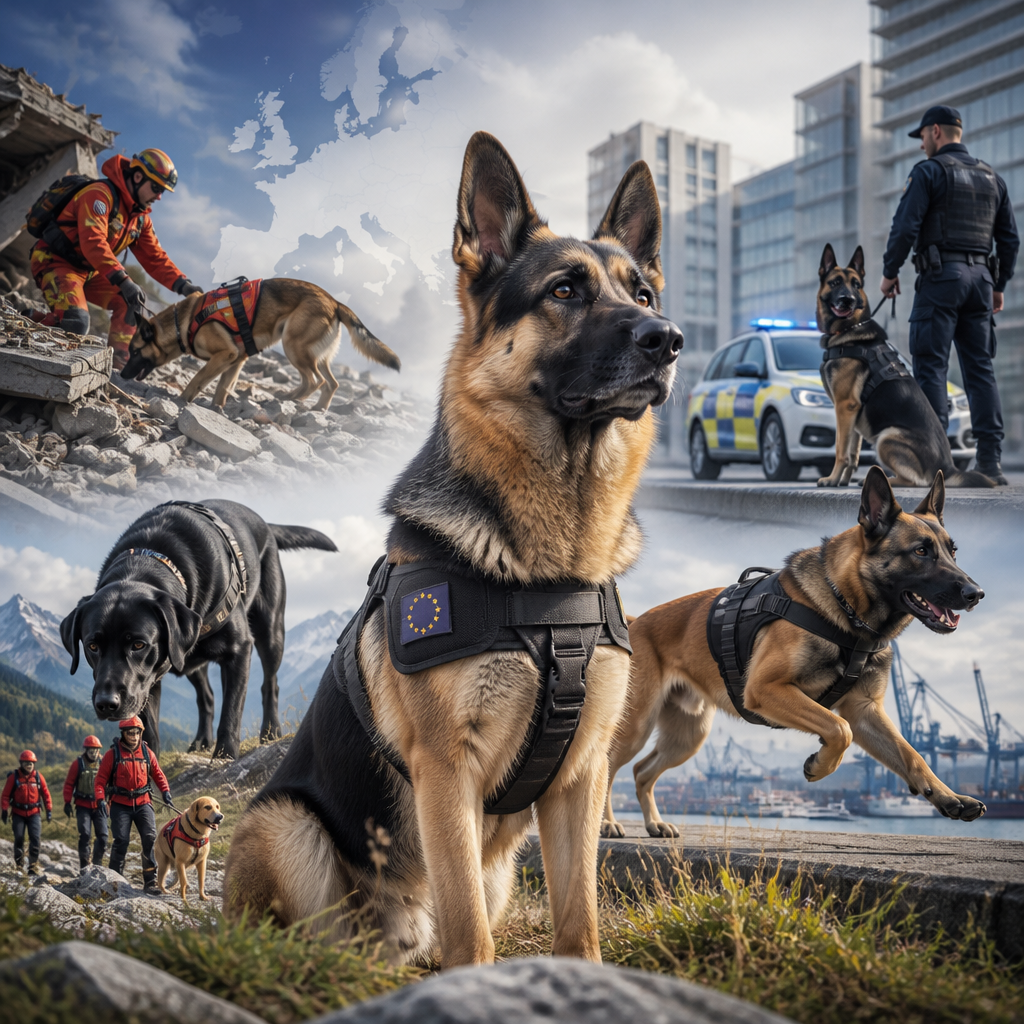
When minutes matter, a wet nose and four quick paws can make an extraordinary difference. Across Europe, working dogs help people in situations where human eyes, ears and equipment may not be enough. They search mountain trails for missing hikers, help locate people after floods or building collapses, and work beside police officers in busy towns and cities. Some patrol public spaces, while others use their powerful sense of smell to find vital evidence, dangerous materials or a person who needs help.
These canine professionals come in many shapes, sizes and breeds, but they share a remarkable ability to focus on a task with their handler. Their work is never a solo act. Behind every dog is a trained person who reads its body language, gives clear direction and makes sure the animal is safe, rested and ready to work.
Cat lovers may recognise something familiar in this partnership. Like household cats, working dogs experience the world through finely tuned senses, especially scent and sound. They also learn best through patient training, predictable routines and trusting relationships with people. A cat may detect the faint rustle of a treat packet from another room, while a search dog can pick up traces of human scent in a forest, on snow or among rubble.
This article explores three important areas of canine service: police dogs supporting public safety, rescue services searching when time is critical, and security operations protecting places such as airports, borders and public events. Their jobs differ, but each relies on careful preparation, humane training and the close bond between dog and handler.
2. Why European Breeds Often Shine in Service Roles
Why European Breeds Often Shine in Service Roles
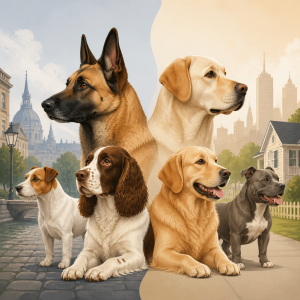
Europe has produced many breeds with a long history of herding, guarding, retrieving and tracking, so it is no surprise that several are familiar sights in service work. German Shepherds, Belgian Malinois and Dutch Shepherds are often valued for their drive, athleticism and willingness to learn. Labrador Retrievers can combine steady temperaments with excellent scenting skills, while Bloodhounds are famous for their extraordinary ability to follow a human trail.
Still, breed is only one part of the picture. A successful service dog is not simply born because it has the right pedigree. Health, sound structure, emotional stability, early socialisation and individual temperament all matter. So does training. One German Shepherd may thrive in a busy police environment, for example, while another may be happier as an active family companion. Not every bright, energetic dog enjoys the pressures or routines of rescue services or security operations.
Handlers and trainers look for qualities that fit a particular task. A tracking dog needs persistence and a powerful nose. A dog working around crowds may need confidence without unnecessary reactivity. Athleticism helps on rough ground or during long searches, while focus and trainability allow a dog to work accurately beside its handler. Just as importantly, a good working dog can recover calmly after excitement, noise or stress, then be ready for the next instruction.
A dog’s nose is its greatest working tool. Scientific research shows that dogs can detect odours at concentrations far below those humans can perceive. Their scent-processing abilities allow them to distinguish individual smells within a busy environment, whether that means a missing person’s trail, an item of evidence or a target substance. With skilled training, that remarkable natural sense becomes a practical lifesaving resource.
3. Police Dogs: Partners in Public Safety
Police Dogs: Partners in Public Safety
Police dogs are highly trained partners that help officers solve problems where speed, scent and mobility matter. Depending on their training, they may track a suspect from a location or object, search a building room by room, or locate discarded evidence such as clothing, weapons or other items linked to an investigation. Detection dogs can also alert handlers to target scents, including illegal drugs or explosives, helping police assess potentially dangerous situations more safely.
A police dog does not work independently. Each team consists of a dog and a trained handler who reads the dog’s body language, gives clear cues and makes the final operational decisions. A change in pace, a focused nose or a sudden pause can all provide useful information, but the handler must interpret it carefully in the wider context of the search.
Many Police dogs are specialists rather than all-purpose security animals. One dog may be trained primarily for tracking, while another focuses on explosives detection or searching for drugs. This targeted approach helps match the dog’s abilities, temperament and training to the task at hand. It also supports more reliable work during demanding security operations.
Modern training should protect the dog’s welfare as well as build skill. Reward-based methods, play, gradual exposure to busy environments and regular rest help dogs stay confident and motivated. Handlers also monitor their partners for signs of fatigue, stress or discomfort, because a dog that feels safe and well cared for can work more effectively.
For the public, the simplest rule is important: never distract, pet or approach a working police dog without permission. Even a friendly greeting can interrupt concentration during a search. Admire these canine professionals from a respectful distance, and allow their handler to keep the team focused on public safety.
4. Rescue Services: Finding People When Time Matters
Rescue Services: Finding People When Time Matters
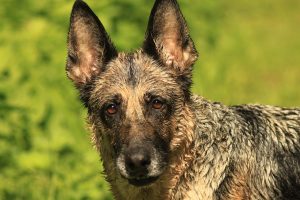
When someone is lost, injured or trapped, search and rescue dogs can cover difficult ground with an ability that technology alone cannot replace. They support rescue services during wilderness searches for missing hikers, avalanche incidents, floods, earthquakes and other emergencies where every minute matters. A dog may work through dense forest, deep snow, unstable rubble or wide open countryside, helping teams narrow a search area and direct help where it is needed.
Different dogs are trained for different kinds of searches. Trailing dogs follow the unique scent trail left by a particular person. Given an item such as a hat, scarf or backpack, they can work from that scent reference and follow the person’s route, even across varied terrain. Air-scenting dogs work differently. Rather than following one individual trail, they search for human scent carried on the wind. They are especially useful for scanning large areas and may alert their handler when they detect someone nearby.
Across Europe, canine teams serve in demanding settings. Alpine avalanche teams search snowfields for buried skiers and climbers. Mountain rescue groups deploy dogs on rocky paths, moorland and woodland. Disaster-response units may work after earthquakes or building collapses, using carefully trained dogs to locate people beneath rubble. Flood responses can also involve dogs searching riverbanks, isolated homes and areas cut off by water.
A successful search is never just one dog and one handler. Handlers interpret their dogs’ signals and keep them safe, while volunteers search assigned sectors. Medics prepare to treat casualties, mapping tools track ground already covered, and local emergency services coordinate access, communications and transport. Together, these teams turn a dog’s extraordinary nose into practical, life-saving action.
5. Security Operations at Airports, Borders and Events
Security Operations at Airports, Borders and Events
The same extraordinary sense of smell that helps a dog find a missing walker can also support security operations in busy public places. Across Europe, detection dog teams work at airports, ports, railway stations, border crossings and major events, where they help staff identify potential risks quickly and carefully.
Depending on their training, dogs may search for target scents linked to explosives, illegal substances, firearms, ammunition or large quantities of currency. A dog is not simply let loose to search at random. Its handler directs the work, watches for subtle changes in behaviour and follows established procedures when the dog indicates a possible find. Some teams inspect luggage and vehicles, while others sweep public areas, cargo spaces or event venues before visitors arrive.
Canine teams can cover substantial areas efficiently, particularly in crowded or complex environments where checking every corner by hand would take much longer. However, they are one part of a wider safety system, not a replacement for it. Security staff also rely on scanners, cameras, screening equipment, intelligence, access controls and trained human professionals. If a dog alerts, officers investigate using the appropriate equipment and protocols.
Detection work calls for concentration, confidence and a strong partnership between dog and handler. The dog must stay calm around noise, crowds, unfamiliar surfaces and distractions, then remain focused on the scent it has been trained to recognise. It is serious work, even if the contrast can make cat owners smile: a service dog may be completely absorbed by one specific scent, while a house cat may be equally determined to locate the treat cupboard.
For the public, the best approach is simple. Give working dogs space, avoid calling to them or trying to pet them, and allow the team to do its important job uninterrupted.
6. Training, Welfare and the Human-Dog Bond
Training, Welfare and the Human-Dog Bond
Behind every calm, capable working dog is a carefully planned programme of training and care. Modern approaches generally rely on rewards, play and repetition. A toy, food reward or enthusiastic praise can help a dog link the right behaviour with a positive outcome. Training starts with simple skills, then gradually introduces distractions, unfamiliar surfaces, crowds, vehicles, loud sounds and the other challenges likely to arise during police work, rescue services or security operations.
This gradual exposure matters. A dog may be naturally confident in a quiet field but feel uneasy in a busy railway station or near a helicopter. Skilled trainers watch closely for signs of stress and adjust the pace accordingly. The aim is not simply obedience, but a dog that can work accurately, recover calmly and enjoy its tasks.
Welfare continues well beyond the training ground. Working dogs need regular veterinary checks, suitable nutrition, conditioning, rest days and enrichment that lets them sniff, play and relax. They also need safe transport, secure housing and time away from duty. Just as importantly, organisations should plan for retirement, whether that means the dog stays with its handler or moves into a carefully chosen home.
Not every bright, energetic dog is suited to service work. The best match depends on health, motivation, resilience and temperament, as well as the specific role. A dog that loves following an individual scent may excel at trailing, while another may prefer searching open spaces or detecting target odours.
Over time, the handler-dog partnership becomes central to success. Through daily routines, observation and consistent communication, handlers learn their dogs’ signals, strengths and limits. That trust helps canine teams perform reliably when the stakes are high.
7. What Pet Owners Can Learn From Working Dogs
What Pet Owners Can Learn From Working Dogs
The routines behind successful working dogs offer useful lessons for everyday pet care. For dog owners, reward-based training is a strong starting point. Praise, toys and food rewards can make learning enjoyable while helping dogs understand what is wanted of them. Short, regular sessions are often more effective than long drills, especially when the dog is tired or distracted.
Scent games are another easy way to add interest to daily life. Try hiding a favourite toy or a few treats around a room or garden and encouraging your dog to search. A reliable recall is equally valuable, both for safety and for freedom on walks. Practise it gradually in low-distraction places, reward your dog generously when they return, and avoid calling them only when playtime is about to end. Just as importantly, allow time for rest. Even energetic dogs need quiet recovery time after walks, training and exciting outings.
Cat parents can borrow the same principles in cat-friendly ways. Scent-based enrichment, such as rotating safe toys or offering catnip where appropriate, can keep indoor life interesting. Puzzle feeders encourage natural foraging behaviour, while predictable meal times and gentle routines can help cats feel secure. Giving cats choices, including access to hiding places, high perches and quiet rooms, respects their need for control over their surroundings.
Working service dogs deserve a different kind of consideration. They are not pets while on duty, even if they look friendly. Teach children to admire police dogs and rescue dogs from a respectful distance, never call to them, pet them or distract their handler.
People can also support local rescue services by donating, volunteering where suitable, or sharing official missing-person alerts carefully. Check that information comes from police, emergency services or trusted charities before passing it on, so urgent searches are helped rather than confused.
8. Celebrating Canine Heroes, With Respect for Every Animal
Celebrating Canine Heroes, With Respect for Every Animal
Across Europe, working dogs make an extraordinary contribution to rescue services, police work and security operations. A dog may help locate a lost walker in rough mountain terrain, identify an explosive threat in a crowded transport hub or search a building alongside police officers. In each case, its speed, scenting ability and steady partnership with a handler can make a meaningful difference when every minute counts.
Still, canine heroes do not work alone. Their successes depend on skilled handlers who read their signals, guide searches and make sound decisions under pressure. They also rely on ethical, reward-based training, regular veterinary support, suitable rest and retirement plans that recognise them as living animals, not simply tools. Behind each successful deployment is usually a wider team of dispatchers, volunteers, medics, trainers, police staff and emergency coordinators.
Respect is part of the picture, too. Police dogs, detection dogs and search dogs deserve space to concentrate, whether they are working in public or travelling to an assignment. Admiring them from a distance helps protect both the dog and the people it is there to assist.
For cat lovers, the same basic principle will feel familiar. Whether an animal is tracking a missing person across a hillside or supervising the living room from a sunny windowsill, it thrives through trust, care, safety and patient understanding. The clear takeaway is simple: celebrate the remarkable work of European canine teams, while supporting the humane training, expert care and dedicated people that allow every animal to do its best.
Löwchen Dogs: The Little Lion Companions Cat Lovers Can AppreciateMediterranean Breeds – The BichonsThe Best European Dog Breeds for Guarding and Security