Coton de Tulear: A Cheerful, Cotton-Soft Companion for Family Life
Discover the Coton de Tulear, a playful, affectionate companion with a cotton-soft coat. Learn about care, grooming, temperament, and family life.

Meet the Coton de Tulear
Meet the Coton de Tulear
Few dogs look as though they have stepped out of a cloud as the coton de tulear. With a soft, cotton-like white coat, sparkling dark eyes, and a cheerful little bounce in its step, this small companion dog has a way of making everyday life feel more playful. Cotons are known not only for their fluffy appearance, but also for their affectionate, people-loving nature. They often want to be involved in whatever their family is doing, whether that means playing a game, greeting visitors, or curling up beside someone on the sofa.
The breed originated in Madagascar, the island nation off the southeastern coast of Africa. Its name comes from the historic port city of Tuléar, now known as Toliara, and “coton” is the French word for cotton, a fitting description of the breed’s distinctive coat. Although the Coton is small, it is far from dull or delicate in personality. These dogs are lively, alert, and often delightfully entertaining.
A coton de tulear can be a wonderful pet for many kinds of households, but its needs go beyond an appealing fluffy coat. In this article, you will learn about the breed’s background, typical size and appearance, including coat colors and markings, and the friendly temperament that makes it such a devoted companion. We will also cover daily exercise, grooming, training, health considerations, and what to think about before bringing one home.
For families, singles, retirees, and apartment dwellers alike, the Coton can offer plenty of love and laughter, provided it receives the attention, care, and companionship it deserves.
History and Origins of This Charming Breed
History and Origins of This Charming Breed
The coton de tulear has a history closely tied to Madagascar, the large island nation off Africa’s southeastern coast. For generations, small white companion dogs lived there and became especially prized by members of the Merina elite and other wealthy households. Their appealing appearance, cheerful nature, and devotion to people made them more than simple pets. They were treasured companions, often associated with status and affection.
The breed takes its name from the former port city of Tuléar, now known as Toliara, on Madagascar’s southwest coast. “Coton” is the French word for cotton, a fitting description of the dog’s soft, airy coat. While the exact beginnings of the breed are not fully documented, a popular story suggests that its ancestors arrived on ships from Europe. These dogs may have included small European companion breeds, which then mixed and developed over time in Madagascar’s unique environment.
For many years, the Coton remained relatively uncommon outside its homeland. As travelers, breeders, and dog enthusiasts became interested in the breed during the 20th century, it gradually spread to Europe, North America, and beyond. Organized breeding programs helped establish consistent breed standards while introducing the Coton to a wider audience.
Today, the coton de tulear is appreciated around the world as an affectionate household dog. Although its royal associations and island history add to its charm, its modern appeal is simple: it is a lively, loving little companion that wants to be included in everyday family life.
What Does a Coton de Tulear Look Like?
What Does a Coton de Tulear Look Like?
The Coton de Tulear is a compact little dog with an unmistakably fluffy, cheerful look. Most adults weigh about 8 to 13 pounds, standing on small but sturdy legs. They are not fragile-looking dogs, despite their light build. A well-proportioned Coton has a slightly longer-than-tall body, giving it a balanced, lively appearance that suits its playful nature.
Its coat is the feature people notice first. True to the breed’s name, “coton” means cotton in French, and the hair has a soft, dry, cotton-like texture rather than a silky feel. The coat can grow long and abundant, framing the face and covering the body in a cloudlike layer. White is the classic and most familiar color, especially in adult dogs.
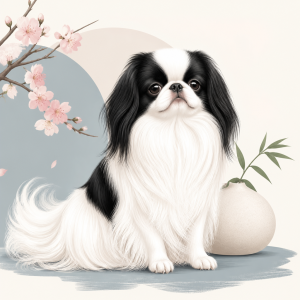
However, color can be more varied than many people expect. Some Cotons have cream, champagne, gray, or lightly shaded markings, particularly around the ears. Puppies may also show markings that fade or change as they mature. People searching for a coton de tulear black and white adult may find dogs with darker markings or patches, but pronounced black-and-white coloring is not accepted equally by every kennel club or breed standard. Appearance can also differ between individual dogs and breeding lines.
A Coton’s face adds greatly to its appeal. Dark, round, expressive eyes often give the dog an alert, friendly, almost mischievous expression. The ears hang close to the head and may blend into the long coat. When happy or excited, the tail is typically carried in a jaunty curve over the back.
Altogether, the coton de tulear looks bright, buoyant, and irresistibly soft, like a small white puff of personality on four paws.
Coton de Tulear Personality and Temperament
Coton de Tulear Personality and Temperament
Behind that fluffy, cheerful appearance is a dog that usually wants to be involved in every part of family life. The coton de tulear is known for being affectionate, playful, sociable, and deeply devoted to its people. Many form especially close bonds with their households and happily follow a favorite person from room to room, simply to stay near the action.
This breed has a well-earned reputation as a little entertainer. A Coton may invent games, bounce around excitedly, offer silly expressions, or repeat a behavior that earned laughter the first time. Their bright, people-focused nature often makes them eager participants in playtime and everyday routines. They tend to enjoy attention, but they are not merely lap dogs. Many have a lively, curious streak and appreciate interactive toys, gentle games, and time with the people they love.
With early, positive socialization, most Cotons can be friendly with respectful children, welcoming toward visitors, and comfortable around other household pets. As with any small dog, children should be taught to handle them carefully, avoid rough play, and let the dog rest when it wants space. Calm introductions and supervised interactions help build good habits for everyone.
Their strong attachment is one of the breed’s most appealing qualities, but it also deserves consideration. Some Cotons can become lonely or develop separation-related stress when regularly left alone for long stretches. They are generally happiest in homes where someone is around much of the day, or where absences are balanced with companionship, exercise, and enrichment. Teaching a puppy or adult dog to relax independently for short periods can help it grow into a more confident, settled companion.
Exercise, Play, and Everyday Living Needs
Exercise, Play, and Everyday Living Needs
The coton de tulear is an active little dog, but it is not usually a demanding endurance athlete. Most are satisfied with a couple of pleasant daily walks, adjusted for their age, health, and the weather, along with chances to play and explore. A brisk walk around the neighborhood can be just as valuable for sniffing and taking in new sights as it is for physical exercise.
Indoor activity matters too, especially for this bright, people-oriented breed. Short games of fetch, gentle tug play, hide-and-seek, and rolling a toy across the floor can help burn energy without needing a large yard. Scent games are another excellent option: scatter a few pieces of kibble or small treats in a safe area and let the dog search for them. Brief, reward-based training sessions also provide useful mental exercise while reinforcing manners.
Because their exercise needs are moderate, Cotons can adapt very well to apartments, condos, and smaller homes. The important factor is not square footage alone, but whether the dog receives daily movement, mental stimulation, and close contact with its family. A bored coton de tulear may become noisy, restless, or overly attached, while one with a predictable routine is often a cheerful and manageable housemate.
Outdoor time should always be supervised or take place in a securely fenced area. This small, curious dog may eagerly follow an interesting scent or dash toward a person, bird, or passing animal. Cotons can also be vulnerable around traffic, larger dogs, and wildlife. A well-fitted harness and leash, plus reliable recall practice in safe settings, help make everyday outings enjoyable and secure.
Grooming a Cotton-Soft Coat
Grooming a Cotton-Soft Coat
The Coton de Tulear’s famous coat feels light, soft, and cottony, but it needs steady care to stay comfortable and free of tangles. As the hair grows longer, loose strands can knot together, particularly behind the ears, under the front legs, around the collar area, on the legs, and near the tail. Mats can become tight and painful against the skin, so regular brushing is much easier and kinder than trying to remove a large tangle later.
Plan to brush a Coton several times a week, or daily if the coat is long and prone to knotting. A gentle pin brush, comb, and detangling spray can make the job easier. Work in small sections, brushing down to the skin without pulling. If you find a tangle, hold the hair close to the skin and carefully loosen it with your fingers or a comb rather than tugging.
Baths are needed when the dog is dirty or starts to smell, though overbathing can dry the skin and coat. Use a mild dog shampoo, rinse thoroughly, and dry the coat completely to avoid new mats forming. A practical routine should also include regular ear checks, nail trims, and dental care. Brushing teeth with dog-safe toothpaste helps reduce plaque and supports long-term health.
Cotons are often described as low-shedding, which may appeal to tidy households. Still, no dog is completely non-shedding, and no breed can promise to be hypoallergenic. Individual reactions to dogs vary.
Begin grooming gently during puppyhood. Offer treats, praise, and short, calm sessions so brushing, bathing, and handling paws become familiar parts of life. With patience, grooming can become a relaxing bonding routine rather than a chore.
Training, Health, and Choosing the Right Dog
Training, Health, and Choosing the Right Dog
The dog breed coton de tulear is bright, people-focused, and often eager to please, which can make training an enjoyable shared activity. These little dogs generally respond best to positive, reward-based methods: praise, treats, toys, and cheerful encouragement. Keep lessons short and varied, since a playful Coton may lose interest if practice becomes repetitive or overly serious.
Start early with socialization and everyday manners. Calm introductions to different people, friendly vaccinated dogs, household sounds, car rides, and new environments can help a puppy grow into a confident adult. Basic cues such as sit, come, stay, and leave it are useful, along with reliable house training and gentle leash practice. Because Cotons form close attachments to their families, it is also wise to teach them to relax alone for short periods. Begin gradually, pairing brief absences with a safe, comfortable space and something pleasant to do.
Like all dogs, a coton de tulear benefits from regular veterinary care, age-appropriate vaccinations, parasite prevention, and routine wellness checks. Feed a balanced diet suited to the dog’s age and activity level, monitor portions carefully, and maintain a healthy weight to reduce unnecessary strain on the body. Dental care matters too, so establish tooth brushing and discuss professional dental cleaning with a veterinarian.
When choosing a puppy, look beyond an adorable face and fluffy coat. Ethical breeders should willingly share health records, explain the health testing performed on their breeding dogs, and answer questions about temperament and early care. A reputable rescue organization can also be a wonderful place to find an adult Coton in need of a home. Avoid sellers who cannot provide clear records, allow questions, or show where and how their dogs are raised.
Is a Coton de Tulear Right for You?
Is a Coton de Tulear Right for You?
A coton de tulear can be a wonderful choice for someone looking for a small dog with a huge amount of warmth, humor, and personality. These cheerful companions are often adaptable enough for apartments, family homes, and many different lifestyles, provided they are included in daily life rather than left alone for long stretches. They tend to thrive when they can follow their people from room to room, join in games, and receive plenty of affectionate attention.
The best home for a Coton is one that can meet both its social and practical needs. This means making time for daily walks and play, using gentle, reward-based training, and offering regular companionship. A Coton does not need marathon exercise, but it does need interaction and mental activity to stay happy and well mannered. Its soft, flowing coat also requires a real commitment to brushing, bathing, and routine grooming, not just admiration from afar.
Families with considerate children, singles who work from home, retirees, and households with other friendly pets may all find this breed a lovely match. However, people with very busy schedules or little interest in grooming may want to consider a dog with more independent habits and a lower-maintenance coat.
Before bringing home a coton de tulear, remember that this is a long-term responsibility. The adorable fluffy appearance is only one part of the package. This dog needs patient care, training, veterinary attention, and a secure place in the family for many years.
For the right household, the clear takeaway is simple: a Coton de Tulear is far more than a pretty little dog. With time, care, and love, this loyal companion can fill a home with laughter, affection, and joyful everyday friendship.