The Best European Dog Breeds for Guarding and Security
Watchdogs alert their household
A German Shepherd is a strong all-around starting point for an active household, while a Bullmastiff may suit someone seeking a calmer guardian and a Belgian Malinois is better matched to experienced handlers. Among European dog breeds guarding security, the right choice depends on your home, family, and willingness to manage a working dog.
The Doberman Pinscher, Rottweiler, Giant Schnauzer, Cane Corso, Boxer, Beauceron, and Bouvier des Flandres bring different strengths and daily demands. No breed guarantees a secure home, and a large dog is not automatically a better fit. Size, temperament, exercise needs, and training commitment all matter.
Some dogs are naturally more watchful; others need substantial work to stay settled. Your household routine, visitor traffic, children, pets, and available space should shape the decision as much as a breed’s reputation. A dog should fit your real life, not an imagined version of it.
A dependable guardian is a well-managed family dog first, not a substitute for secure doors, fences or sensible visitor routines.
Key Takeaways
- Match a dog’s energy and temperament to your household routine.
- A stable, social dog is more dependable than a reactive one.
- Working breeds need purposeful activity and consistent training.
- Meet individual dogs before choosing a breed.
- Use secure doors, fences, and visitor routines alongside a dog.
What Makes a Reliable Home Guardian?
The best guardian notices what is unusual without treating every visitor, delivery or neighbor as a threat. Reliable judgment matters more than hostility: a dog should respond to a genuine change, then settle when the situation is ordinary.
Territorial instinct is a dog’s tendency to monitor and defend a familiar area. Strong bodies and watchfulness help only when paired with socialization and control. Guardian breeds tend to be loyal, fearless, strong, and alert, but those qualities need thoughtful handling.
A dependable guardian notices unusual activity and remains manageable during everyday life.
Stable temperament means your dog can cope with normal household sounds and people moving through the home. German Shepherds work in police, military, and search-and-rescue roles because trainability and steadiness matter alongside physical ability. A pet does not need to perform those jobs to benefit from clear communication.
| Trait | Useful sign | Household implication |
|---|---|---|
| Alertness | Notices an unfamiliar sound | Alerts you without barking at every routine noise |
| Stable temperament | Recovers after a surprise | Can remain calm around ordinary visitors |
| Trainability | Responds to familiar cues | You can interrupt and redirect unwanted behavior |
| Family bond | Seeks regular contact with its people | Joins household life instead of guarding in isolation |
Socialization gives a dog safe, varied experience with people, places, sounds, and other animals. Training builds habits that help you guide the dog when a delivery driver arrives or a guest walks in. Together, these skills make strength easier to manage.
A dog that lunges at every visitor is displaying a safety problem, not dependable protection.
What Is the Difference Between a Watchdog, Guard Dog and Protection Dog?
A dog that barks at a knock and a dog trained to physically intervene are performing very different jobs. The key difference is what the dog is expected to do, not how intimidating it looks.
A breed’s guarding history does not mean every individual dog is trained or suitable for protection work. A dog may alert you reliably without being able to deter a person, and physical intervention requires specialist training and careful management.
Watchdogs alert their household
A watchdog alerts its household, usually by barking when it notices a sound or movement. For example, a dog may bark when someone knocks, giving you time to check who is at the door. The dog’s role is to notify you, not to confront the visitor.
Many family dogs can become useful watchdogs through stable behavior and good everyday manners. You still need to teach the dog when to stop barking and make sure it can settle after the alert.
Guard dogs alert and deter
A guard dog alerts and deters. Its presence, bark, or confident behavior may discourage someone from approaching a property, while you remain responsible for deciding what to do. A large dog standing behind a secure gate can deter without being trained to attack.
Deterrence does not mean encouraging a dog to threaten ordinary visitors. The dog needs to distinguish familiar routines from unusual activity, and you need control of the situation.
Protection dogs are trained to intervene
A protection dog is trained to physically intervene under specific conditions. That work calls for professional judgment, careful training, and ongoing management. German Shepherds and Belgian Malinois can work in professionally trained protection roles, but an individual dog still needs the right temperament.
| Role | Typical response | What the household should expect |
|---|---|---|
| Watchdog | Barks at a knock | You check the door and manage the alert |
| Guard dog | Alerts and deters with presence | You supervise access and keep the dog under control |
| Protection dog | Intervenes after specialized training | You need professional guidance and careful handling |
Most households should decide first whether they need an alert, deterrence or professionally managed protection work.
European Dog Breeds Guarding Security: Which One Fits Your Home?
Start with the routine and handling commitment you can sustain, then narrow the breed choices by size and temperament. Your daily life is a better starting point than a breed’s reputation.
Choose for fit, not size alone. These European dog breeds guarding security vary in build, activity, and handling needs. The figures below help you compare adult size, but they cannot predict an individual dog’s temperament or guarantee home security.
Assess your space and daily routine
| Breed | Male weight | Female weight | European origin |
|---|---|---|---|
| German Shepherd Dog | 50-90 pounds | 50-90 pounds | Germany |
| Belgian Malinois | 40-80 pounds | 40-80 pounds | Belgium |
| Doberman Pinscher | 60-100 pounds | 60-100 pounds | Germany |
| Bullmastiff | 100-130 pounds | 100-130 pounds | England |
| Giant Schnauzer | 75-95 pounds | 55-80 pounds | Germany |
The Boxer chart range for males and females is 15-80 pounds. Cane Corso weight should be proportionate to height. Think about narrow hallways, vehicle access, stairs, and where a dog can rest without being in the path of visitors.
Owners in apartments can still provide a good home for some large dogs, but they need a reliable plan for exercise and training. A yard can help with supervised activity; it does not replace daily interaction or secure entry routines.
Match the dog’s drive to your experience
Before you choose a dog breed, be honest about the time and handling you can offer. Use this checklist to test your fit:
- Hours available for exercise each day
- Willingness to train consistently
- Experience handling strong dogs
- Children, pets, and visitor patterns at home
A dog that fits your family should be manageable around ordinary guests, household noise, and daily transitions. If children or other pets live with you, assess the individual dog’s behavior and plan supervised introductions.
If you cannot meet a breed’s exercise and training needs consistently, choose a different fit rather than expecting the dog to adapt.
Is the German Shepherd a Good All-Around Guard Dog?
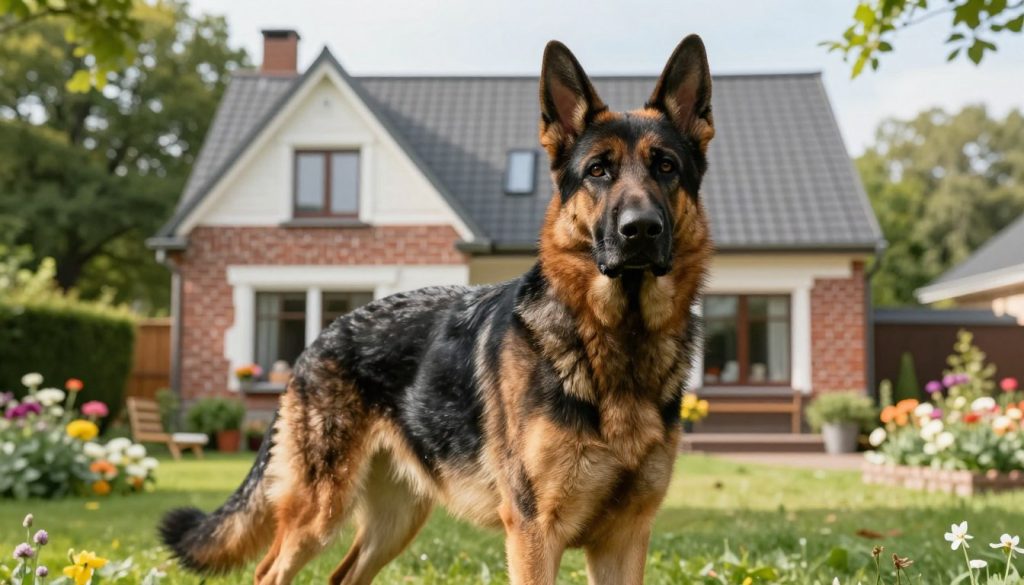
For an active household wanting a versatile working companion, the German Shepherd is the strongest all-around choice in this list. Versatility is its appeal: the breed can learn structured tasks while building a close bond with its family.
German Shepherd Dogs need 1.5-2 hours of daily exercise, plus an outlet for their intelligence. They were developed in Germany in the late 19th century by Captain Max von Stephanitz. They are the fourth most popular breed in America.
The breed’s working background is broad. German Shepherds serve in police, military, and search-and-rescue roles, showing how well they can learn demanding tasks. That history does not mean a family pet should perform those jobs. A household can give the dog useful work through training, games, and regular activity.
Intelligence and loyalty can make the German Shepherd responsive to its people, but the dog still needs clear expectations. A bored or under-exercised dog may find its own activities, which can include unwanted barking or chewing. Consistent routines help keep its energy directed.
Some individuals are wary of strangers. Early, positive socialization helps them experience everyday visitors and public settings without treating each new person as a threat. Teach calm greetings and reward the behavior you want to see when someone enters.
The breed can suit owners who enjoy training and outdoor activity. It may be a poor match if you want a dog that needs little exercise or can spend most of the day without engagement. The dog’s guarding ability depends on its stable behavior, not simply its reputation.
Plan for at least 1.5-2 hours of daily exercise and purposeful activity before bringing one home.
Who Should Choose a Belgian Malinois?
Choose a Belgian Malinois only if you can provide experienced handling, structured work and vigorous activity every day. This is a working partner for a household that wants to train, move, and engage with its dog.
A Malinois needs at least 2 hours of vigorous activity daily, a job, and experienced handling. The breed originated in Malines, Belgium. Its speed, high drive, and trainability can be impressive, but those traits need an appropriate outlet.
Malinois dogs often thrive when their day has structure. A walk alone may not meet the needs of a dog bred for demanding work. You can build safe engagement into activities such as:
- Tracking
- Agility
- Obedience-based work
- Protection training only with a qualified professional
These outlets require planning and regular practice. A household with an experienced handler may find the breed responsive and rewarding. A household looking for a low-effort family guard dog may find the daily demands difficult to sustain.
Training should focus on reliable behavior in ordinary settings, not simply on intensity. The dog must be able to settle at home, respond to cues, and handle visitors safely. That control is part of responsible ownership.
A dog without an appropriate job can be difficult to manage. High energy and constant drive may show up as destructive behavior, excessive barking, or trouble relaxing. These problems can become stressful for the family and the dog alike.
A breed’s working reputation does not make it suitable for an inexperienced household. Make sure you can provide consistent training, vigorous activity, and a meaningful role before choosing one.
Without a job and consistent training, the Malinois’ intensity can overwhelm the household it is meant to protect.
What Makes the Doberman Pinscher a Personal-Protection Breed?
The Doberman Pinscher stands out because it was bred in the 1890s specifically for personal protection. Close partnership is central to its appeal: the breed is loyal, alert, and athletic, and often stays closely connected to its people.
A protective instinct alone does not make a dog safe around visitors. A Doberman needs positive, consistent training so it can respond to cues and remain confident in everyday situations.
The breed’s protection purpose shaped a dog that is attentive to its surroundings and ready to work with a handler. That does not mean every Doberman will react in the same way. The individual dog’s temperament and past experiences matter, along with the care you provide.
Dobermans are athletic companions, so regular exercise and engagement belong in the household plan. Training gives that energy direction and strengthens communication between dog and owner. Short, consistent practice can reinforce everyday manners as well as reliable responses.
Visitors need a predictable routine. Ask guests to follow your instructions, use a leash or secure space when needed, and reward calm behavior. Do not depend on the dog to decide who is welcome or to judge a situation on its own.
The Doberman may fit an active owner who values a close bond and is ready to train throughout the dog’s life. It is not a good choice based on appearance alone, and a protective reputation cannot replace careful management.
Choose this breed for a committed partnership built on training and daily activity, not for appearance alone.
Is the Bullmastiff a Good Choice for a Calm Household?
A Bullmastiff can suit a household seeking a quieter, physically imposing guardian rather than a high-speed working dog. Quiet deterrence is its distinctive appeal, but a calmer profile does not make the breed a fit for every home.
Early training, socialization, safe handling, and enough space remain essential. Bullmastiffs often weigh over 100 pounds, so each adult in the household must be able to manage the dog safely.
The breed was developed in 19th-century England from English Mastiffs and Bulldogs. Gamekeepers used Bullmastiffs to catch poachers without mauling them. The dogs tracked scents, approached silently, and pinned a person rather than biting.
That history helps explain the breed’s reputation for a quiet, watchful presence. A Bullmastiff may seem calm at home, but size and strength still matter in everyday handling. A dog that rushes a door or pulls on leash can be hard to control.
Set up a safe place where the dog can rest away from visitors. Teach basic cues, practice calm greetings, and introduce the dog to ordinary sights and sounds. Children should not be left to manage a large dog on their own.
A quieter exercise profile does not mean no activity or training. The dog still needs regular walks, social contact, and clear household rules. Space to move comfortably is useful, especially when several people share the home.
Make sure every adult in the household can safely manage a dog that often weighs over 100 pounds.
What Should Rottweiler Owners Know About Guarding?
The Rottweiler’s guarding history began with work around cattle and the protection of butchers’ earnings. Working confidence still helps explain the breed’s appeal, but strength makes early, consistent handling essential.
A calm, confident Rottweiler still needs early socialization and clear obedience. The breed is the eighth most popular in the United States and can be devoted to its family when raised with steady guidance.
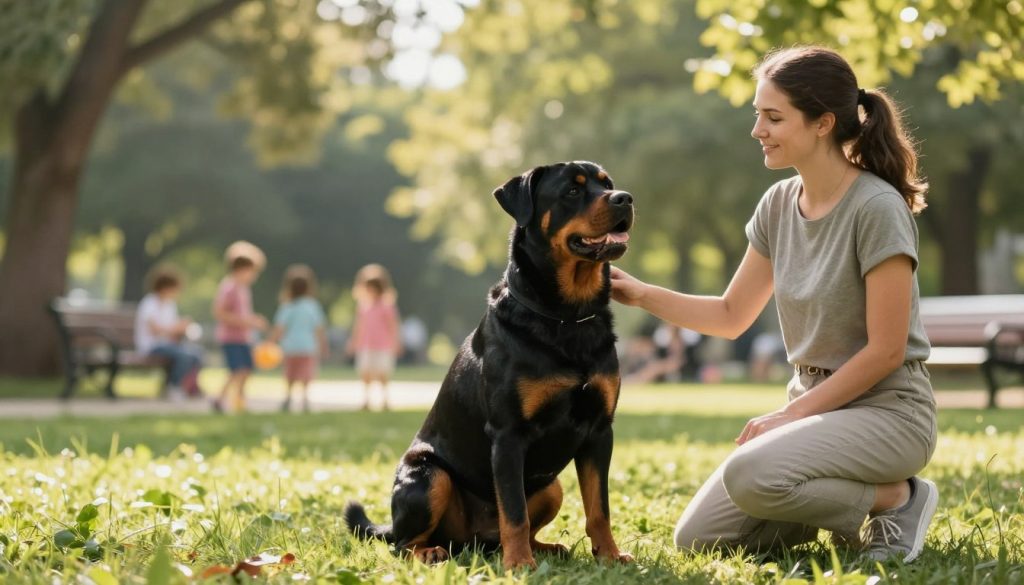
Rottweilers descend from Roman drover dogs. Rottweil became a cattle-trading center, where dogs also guarded butchers’ earnings. Their history connects practical work with watchfulness and loyalty, rather than with indiscriminate aggression.
A strong dog should be able to distinguish ordinary activity from a possible threat. Introduce the dog to people, sounds, and places in a safe way, and teach basic cues that work at home and outdoors. Regular practice makes it easier to guide the dog when a situation changes.
Family life should include calm routines around visitors. Do not let a dog decide how close guests can come, and do not assume its confidence means it needs no supervision. You remain responsible for controlling introductions and keeping the dog comfortable.
The Rottweiler can suit an owner prepared to provide steady training and everyday attention. A household that lacks time or confidence handling a strong dog should consider a different fit.
Choose an experienced, consistent home where training is part of the dog’s routine.
Can a Giant Schnauzer Handle Family Guarding?
A Giant Schnauzer can be a capable family guardian when its need for activity and engagement is met. Daily involvement matters with this alert, loyal dog, whose farm-guardian background shaped a working temperament.
The breed needs substantial mental and physical stimulation. A Giant Schnauzer can enjoy family life, but it needs more than a quick walk and an empty afternoon.
Developed in 17th-century Germany, the breed worked around farms and property. Its alertness can make it attentive to new activity, while loyalty helps it form close ties with its people. Consistent training gives the dog a clear way to respond.
Giant Schnauzers may be cautious around new people. Positive socialization helps them become familiar with a range of normal situations, including guests and everyday sounds. Teach visitors how to approach and give the dog space to settle before expecting interaction.
Boredom can lead to destructive behavior. Offer mental tasks and regular activity that ask the dog to use its attention, rather than relying only on time outdoors. Training games and structured work can make ordinary routines more engaging.
The breed may fit a family that enjoys having a dog involved in daily activities and can keep up with ongoing training. It may frustrate owners who want a low-maintenance pet or a dog that entertains itself for long stretches.
Build daily mental work into the routine, not just a walk around the block.
Is the Cane Corso Right for an Experienced Owner?
The Cane Corso is best considered by an experienced owner prepared to manage a powerful, devoted guardian. Confident handling and a secure setting matter as much as the breed’s protective reputation.
Thorough socialization and consistent training are essential for this strong dog. The Cane Corso’s weight should be proportionate to its height, rather than aimed at one fixed target.
Cane Corsos descend from ancient Roman Molossus dogs. Their name comes from the Latin word cohors, meaning guardian or protector. The breed later served in farm and estate settings, where it watched property and worked closely with people.
A loyal dog can still misread a situation without good socialization and clear boundaries. Give the dog safe experience with household activity, visitors, and other animals. Training should help you guide the dog through ordinary encounters, not encourage it to make its own decisions.
This breed is a better match for an owner who has handled strong dogs and can provide daily attention. Secure gates and doors are important, but they do not take the place of supervision or a relationship built through training.
Plan for visitors before they arrive. Use a leash or a separate space when appropriate, and let the dog settle before allowing an introduction. Keep routines predictable, especially while the dog is learning household expectations.
Arrange training and socialization early, before the dog’s strength makes everyday management harder.
Does the Boxer Make a Family-Friendly Watchdog?
A Boxer can make an energetic family companion and alert watchdog, especially in a home that enjoys regular activity. Playful energy is a defining part of its appeal, alongside an affectionate manner.
Boxers need frequent exercise and early training for reliable everyday manners. Their family-friendly reputation does not mean every dog will be suited to every child or pet.
Boxers are often described as playful, patient, and family-friendly. Their high energy can bring fun to an active home, but it also calls for regular movement and engagement. A dog that lacks activity may struggle to settle.
Early training can help a Boxer serve as a watchdog by teaching calm responses and basic cues. Barking at a sound may alert you, but appearance alone does not establish a dog’s ability to provide physical protection. Keep expectations realistic and focus on behavior you can manage.
Introduce children and pets carefully, with close adult supervision. Teach children not to disturb a resting dog or grab its food and toys. Give the dog a quiet space where it can step away from busy family activity.
Boxers can be exuberant, especially during play, so practice greetings and leash manners. Choose this breed because its activity level and temperament suit your household, not because you expect it to respond to a threat.
Prioritize everyday manners and supervised family interactions over expectations of physical protection.
What Kind of Home Suits a Beauceron?
A Beauceron suits an owner who wants a serious working partner and can provide structure every day. Purposeful engagement helps this intelligent, confident breed use its energy well.
The Beauceron needs mental and physical stimulation, plus firm training. As one of the largest French sheepdogs, it brings a herding background and a temperament that can be willful without clear guidance.
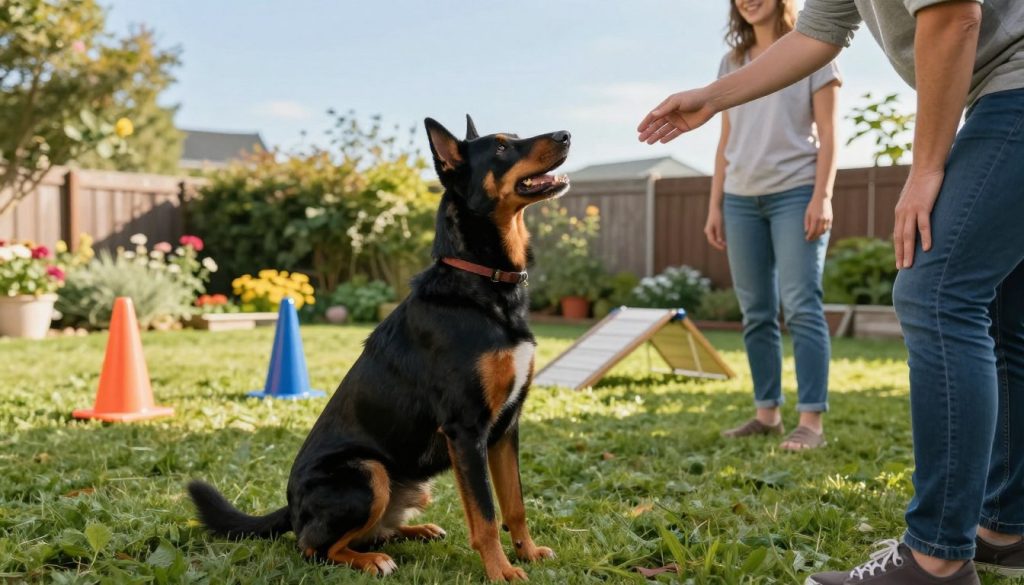
Beaucerons were bred to work with livestock, and many retain a strong interest in activity and tasks. Their intelligence can make training rewarding, but smart dogs may also test inconsistent rules. A confident handler should remain calm and fair.
Build these commitments into your routine:
- Regular physical activity
- Mental work
- Consistent obedience practice
A Beauceron may become anxious or distractible when it lacks engagement. Daily activity should include more than exercise alone. Training, problem-solving tasks, and time with the family give the dog useful ways to focus.
Think about how the dog will fit into your home on an ordinary weekday, not only on a weekend outing. The breed may suit an active owner who likes structure and wants a dog involved in regular work.
Firm, fair training should start early and continue as part of ordinary life.
Is the Bouvier des Flandres a Practical Family Guardian?
The Bouvier des Flandres combines a family-friendly manner with the size and courage to deter a genuine threat. Affection at home can sit alongside a protective response, but the dog still needs sensible management.
Bouviers can weigh up to 110 pounds, so space and daily care should be part of your decision. The breed is muscular, intelligent, and often calm with its family.
A Bouvier des Flandres may respond protectively when a threat is imminent. That does not mean every dog will behave the same way, or that you should expect aggression around ordinary visitors. Socialization and training help the dog handle daily life with confidence.
The breed’s size can make close quarters challenging, especially when guests, children, and pets share the same space. Give the dog room to move and a quiet place to rest. Use supervision and structured introductions around anyone unfamiliar.
Coat care also takes regular effort. Keep up with grooming, and dry the beard after drinking to help manage the wet hair around its mouth. Add these practical checks to your plans:
- Allow room for a large dog
- Maintain regular grooming
- Dry the beard after drinking
Account for both its large frame and hands-on coat care before choosing this breed.
Which Breed Fits Your Family’s Lifestyle Best?
The best match for most active households is the German Shepherd, while the Malinois fits experienced working-dog handlers and the Bullmastiff fits people seeking a calmer guardian. Your routine should decide which option makes sense.
No breed is the best guard dog for every family, and no table can guarantee safety. Use these matches to build a shortlist, then assess individual dogs and the work each one needs.
| Household priority | Strongest match | Why it fits | Key trade-off |
|---|---|---|---|
| Versatile active household | German Shepherd | Adaptable working companion for structured activity | Needs substantial daily exercise and engagement |
| Experienced handler seeking a high-drive worker | Belgian Malinois | Fast, trainable, and suited to a job | Requires experienced handling and vigorous daily work |
| Calmer household seeking a large guardian | Bullmastiff | Quieter, lower-energy profile | Its great size still calls for careful management |
| Active family seeking a playful companion | Boxer | Energetic and affectionate with its family | Needs frequent exercise and supervised introductions |
| Owner able to provide consistent mental work | Giant Schnauzer | Alert, loyal, and engaged by regular tasks | Needs substantial mental and physical stimulation |
The German Shepherd offers broad versatility, but that does not make it an easy choice for every home. A Belgian Malinois may fit an experienced handler who plans structured work into the week. A Bullmastiff may be a better match when a quieter pace matters more.
Active families may enjoy a Boxer’s playful companionship, provided exercise and safe introductions fit their routine. A Giant Schnauzer can suit an owner who wants a dog engaged in regular mental work. Each option has needs that continue after the excitement of bringing a new pet home.
These are starting points, not promises about an individual dog. Meet adult dogs when possible and ask how they behave around visitors, children, and other animals. A reputable rescue, breeder, or qualified trainer can help you think through the fit.
Choose the dog whose daily needs fit your actual routine, not the one whose reputation sounds most impressive.
How Should You Train and Socialize a Guard Dog?
Begin teaching simple, reward-based cues when a puppy is around 8 weeks old. Calm everyday behavior is the goal, not suspicion or aggression.
Most families need a well-socialized companion and watchdog, not a dog trained to engage a person. Early positive experiences and basic obedience make a dog easier to manage as it grows.
Responsible training, socialization, and secure containment create a safer guardian than encouraging aggression.
Build everyday confidence during puppyhood
Introduce a puppy safely to people, pets, sounds, and ordinary household activity. Keep experiences positive and allow the puppy time to observe. Teach cues such as sit, stay, and come, then practice them in familiar settings before adding distractions.
| Stage | Focus | Practical example |
|---|---|---|
| Around 8 weeks | Begin basic training | Reward the puppy for responding to its name |
| 12-16 weeks | Prioritize safe, positive socialization | Introduce a calm visitor at a comfortable distance |
| Ongoing | Reinforce obedience and calm behavior | Practice coming when called during daily routines |
The critical socialization period generally closes around 12-16 weeks. Continue building positive experience after that period, too. A dog benefits from repeated practice with ordinary situations throughout life.
Use a qualified professional for protection work
Protection work should involve a qualified professional using humane methods. The trainer should assess the individual dog’s temperament before deciding whether formal work is suitable. Not every dog is a good candidate, even if its breed has a working reputation.
Most households are better served by obedience, safe alerting, and secure management. Do not try to teach a dog to attack. Contact a qualified trainer if fear, reactivity, or handling problems arise.
Keep these owner habits in place:
- Reward calm behavior
- Practice basic cues
- Supervise introductions
- Use secure containment
- Consult a qualified trainer for behavior concerns
Responsible training, socialization and containment create a safer guardian than encouraging aggression.
Conclusion
A good home guardian is the dog whose temperament and daily needs fit your household, not simply the largest or most intimidating breed. Stable behavior, socialization, and a manageable routine matter more than a reputation.
Meet adult dogs of the breed you are considering. Speak with a reputable rescue, breeder, or qualified trainer about temperament and the care that dog needs. A conversation can help you see whether your expectations match real daily life.
Before choosing, make a realistic weekly plan for exercise, training, socialization and secure care.

1 thought on “The Best European Dog Breeds for Guarding and Security”